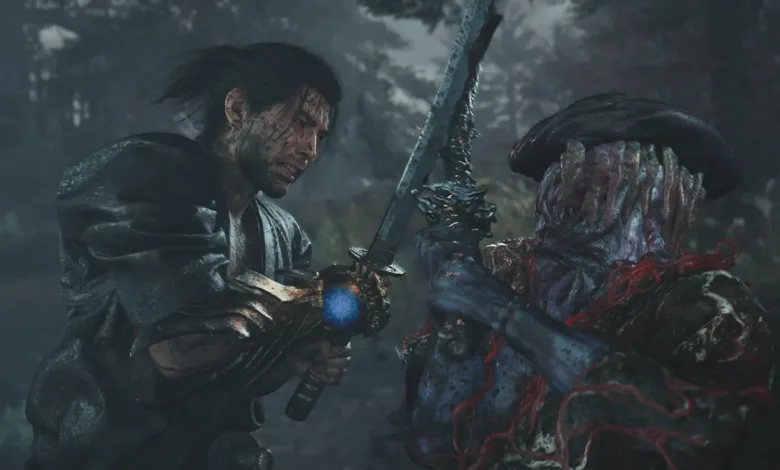
The demo for Onimusha: Way of the Sword has received a content update ahead of the full game’s September 4, 2026 release for PlayStation 5. Players can now reach more of the samurai adventure and face the massive Genma boss Daidara, while Capcom has also debuted Trailer 6 and shared new details about Musashi’s combat, setting, and DualSense features.
Players who already installed the demo will need to download a 9.6GB patch to access the new content. Anyone downloading the demo for the first time can install the complete updated version through the PlayStation Store.

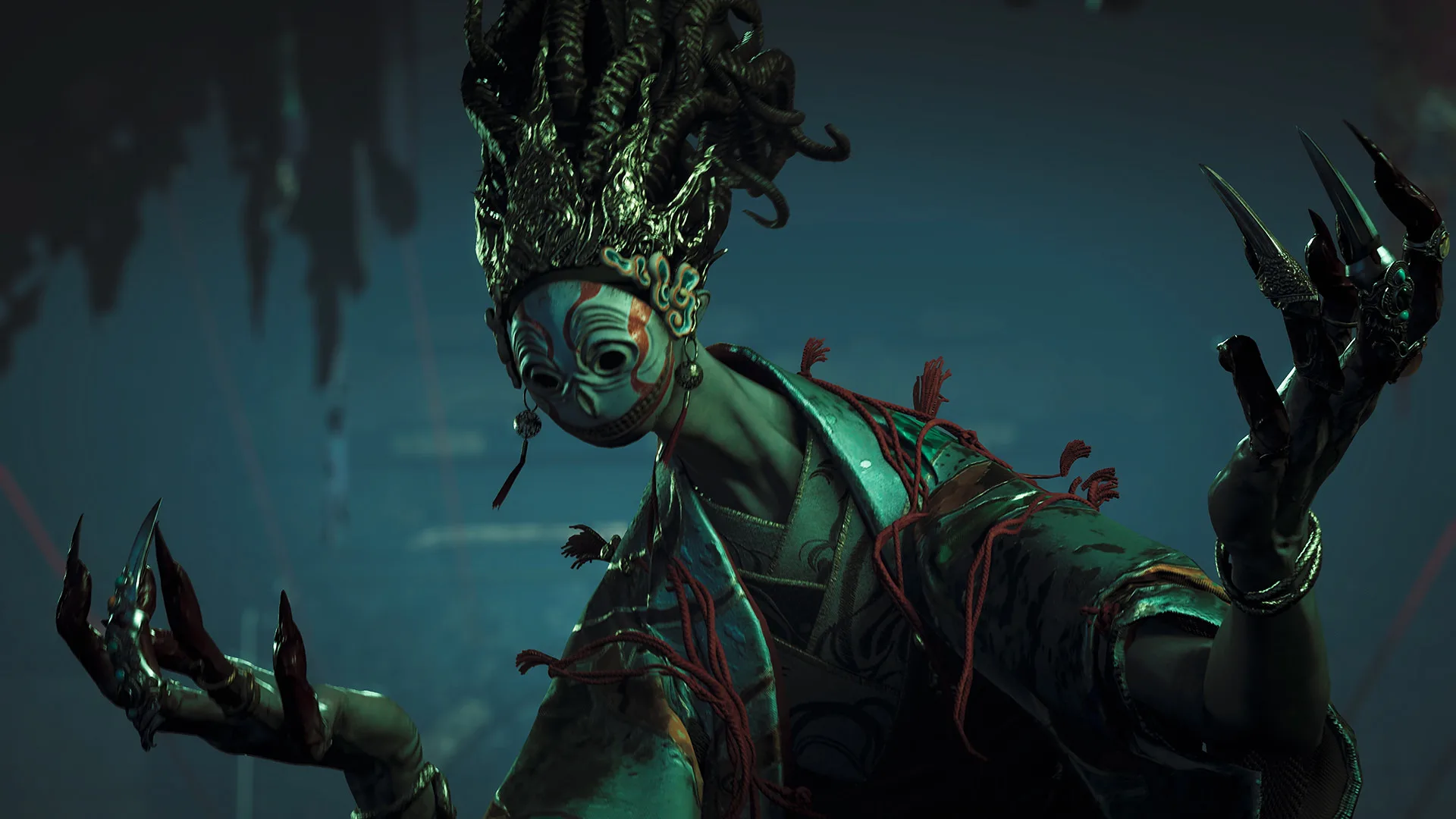
The original preview covered the opening stretch of the first main story mission and ended with a showdown against Sasaki Ganryu, an undead swordsman. The update continues beyond that battle into an otherworldly location before concluding with Daidara, giving the demo a second major boss encounter.
Save data will carry forward from the demo into the full game. Doing so unlocks the “Kubi Akari” Charm and gives Miyamoto Musashi a stat boost, offering players a small reward for spending more time with the preview version before launch.
Trailer 6 puts Musashi’s Oni Awakening on display
Capcom debuted Trailer 6 at Gamescom 2026, showing Musashi cutting through new threats and drawing on his supernatural strength through “Oni Awakening.” The transformation gives him a way to overpower enemies with the power of the Oni Gauntlet, adding another layer to the sword-focused combat.
A new Kyoto story built around Musashi
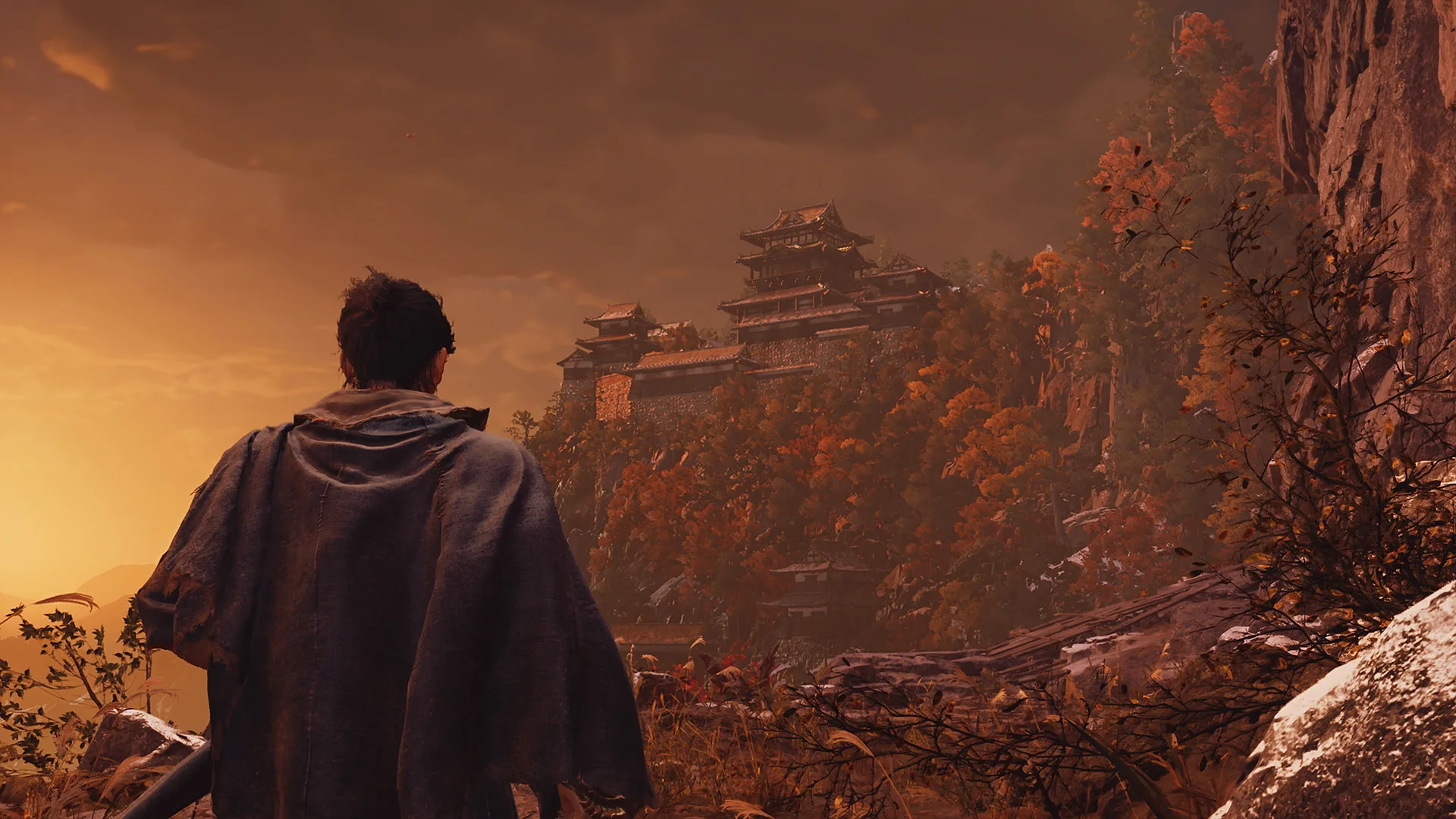
In a PlayStation Blog interview, producer Akihito Kadowaki and director Satoru Nihei discussed the game’s world, combat systems, Toshiro Mifune’s likeness, and its use of PlayStation 5 hardware. The story takes place in early Edo-period Kyoto and centers on the real-world Rokudo Chinno-ji Temple, with historical streets, local folklore, and mystery shaping Musashi’s journey.
The developers rebuilt the world and its mythology for new players rather than continuing a direct storyline from earlier entries. In this version of the setting, Genma emerge from the depths of hell through portals when Malice overflows into the human realm. The Oni guard those gateways and destroy any Genma that manage to cross over. The adventure continues beyond the demo’s opening stretch, as covered in our final preview of Musashi’s fight across Kyoto.
Toshiro Mifune’s likeness was created without facial scans
Recreating Toshiro Mifune presented a specific challenge because the legendary actor is no longer alive and could not provide new 3D facial scans. The team worked from existing reference material with support from Mifune Productions, which reviewed facial expressions and cutscenes at multiple stages of development.
That review process eventually reached a point where Mifune Productions told the team the likeness was accurate enough that further checks were no longer needed. For Capcom, that response served as confirmation that Musashi’s connection to the iconic samurai film star had been handled with care.
Dynamic Dismemberment gives every strike a visible path
Combat is built around the physical satisfaction of cutting through opponents. Dynamic Dismemberment follows the exact trajectory of Musashi’s blade, allowing enemies to be sliced according to where each attack lands.
Capcom also added Break Issen, which becomes available after an enemy’s Stamina Gauge has been completely depleted. Traditional Issen attacks demanded strict frame-perfect timing, but Break Issen lets players access that style of finishing move across more combat situations.
Haptics and 3D audio connect combat to Kyoto
Nihei explained that the game’s haptic feedback uses vibration data generated from audio waveforms, syncing controller responses with cutscene visuals and sound. Haptics also communicate the scale of massive Genma, the sensation of absorbing souls, and the force of weapon strikes.
Adaptive triggers add physical resistance when Musashi draws his bowstring. They also require players to press the trigger all the way down when sealing the demonic portals known as Rift, making the act of absorbing them feel like a physical task rather than a simple button press.
The audio team recorded Impulse Response data inside real Japanese temples and historic residences. Multi-channel IR data, including height channels, helps reproduce the acoustics of traditional architecture, while vertical sound positioning gives flying Genma and collapsing structures a stronger sense of scale. The DualSense speaker also handles effects such as soul absorption and voices echoing from the Oni Gauntlet.
Historical research reaches into the smallest details
Capcom worked closely with the City of Kyoto while recreating the setting. Nihei pointed to the wooden stage at Kiyomizu-dera Temple as one example: the game uses the same number of supporting pillars as the real structure.
The team also included the famous Twin Dragons ceiling painting at Kennin-ji Temple, even though it did not exist during the Edo period. Its inclusion reflects the version of the temple visitors can see today while giving the game another recognizable Kyoto landmark.
Onimusha: Way of the Sword will launch for PlayStation 5 on September 4, 2026. Until then, the updated demo offers a chance to revisit the battle with Ganryu, explore its new otherworldly section, meet Daidara, and see whether Musashi’s blend of swordplay and Oni power is a good fit.
Will you be testing Daidara before launch? Tell us what you think in the comments, and follow us on X, Bluesky, YouTube, Instagram, Steam, Telegram.