Slay the Spire 2 Is Reworking the Deckbuilding Roguelike Formula
Mega Crit's sequel is still in Early Access, where online co-op, card enchantments, Afflictions, and branching acts give each run more room to change.


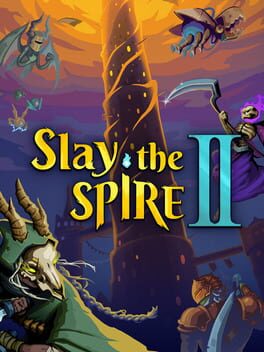
Slay the Spire 2 is still in Early Access, but its biggest ideas already go well beyond simply adding more cards and characters. Mega Crit’s sequel changes how players build runs, deal with setbacks, follow the story, and even play alongside friends.
The original Slay the Spire helped establish the modern roguelike deckbuilder formula. Its clean progression, tough encounters, card synergies, and mod support inspired games such as Wildfrost, Cobalt Core, and Balatro. The sequel now takes that foundation in several new directions.
Online co-op makes runs feel much more social
The most striking addition is online co-op. Co-op deckbuilding existed before Slay the Spire 2, including in Across the Obelisk, but Mega Crit’s approach keeps both players active at the same time instead of forcing one person to wait through the other player’s entire turn.
Players can see the cards their teammates are considering, pause to discuss a plan, and then play cards without bringing the whole run to a crawl. The sequel also includes cards designed specifically for co-op, giving groups more ways to create shared combos and cover each other’s weaknesses.
Alternative acts keep the map from feeling routine
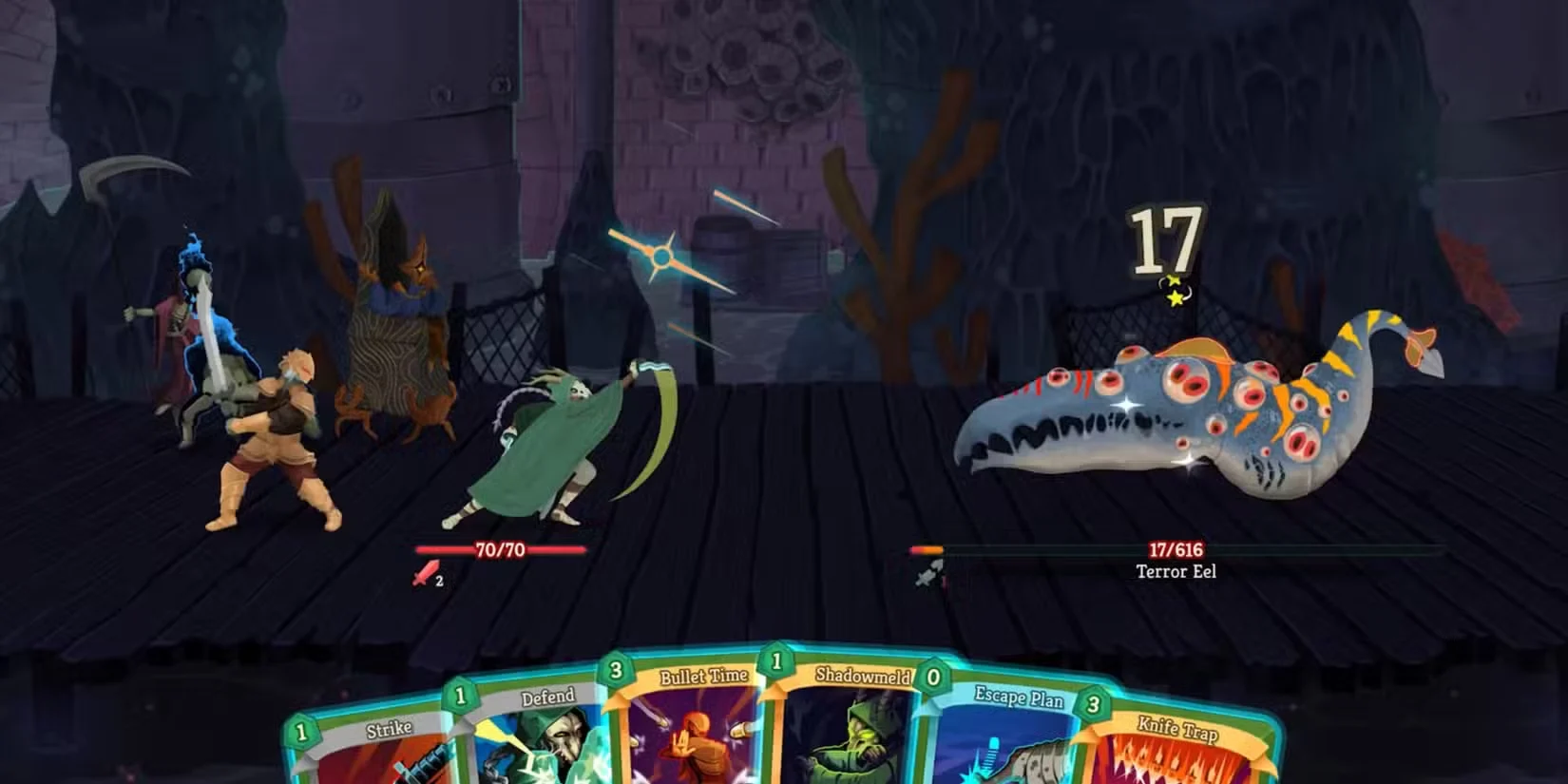
Runs in the first game followed a familiar path through its acts. Slay the Spire 2 adds alternative acts that can appear from run to run, changing the route and making the overall structure less predictable.
That variation matters because repeated runs can otherwise begin to feel too similar. A different act can alter the enemies, rewards, and decisions players need to make before reaching the next part of the climb.
Fewer energy relics make every reward matter
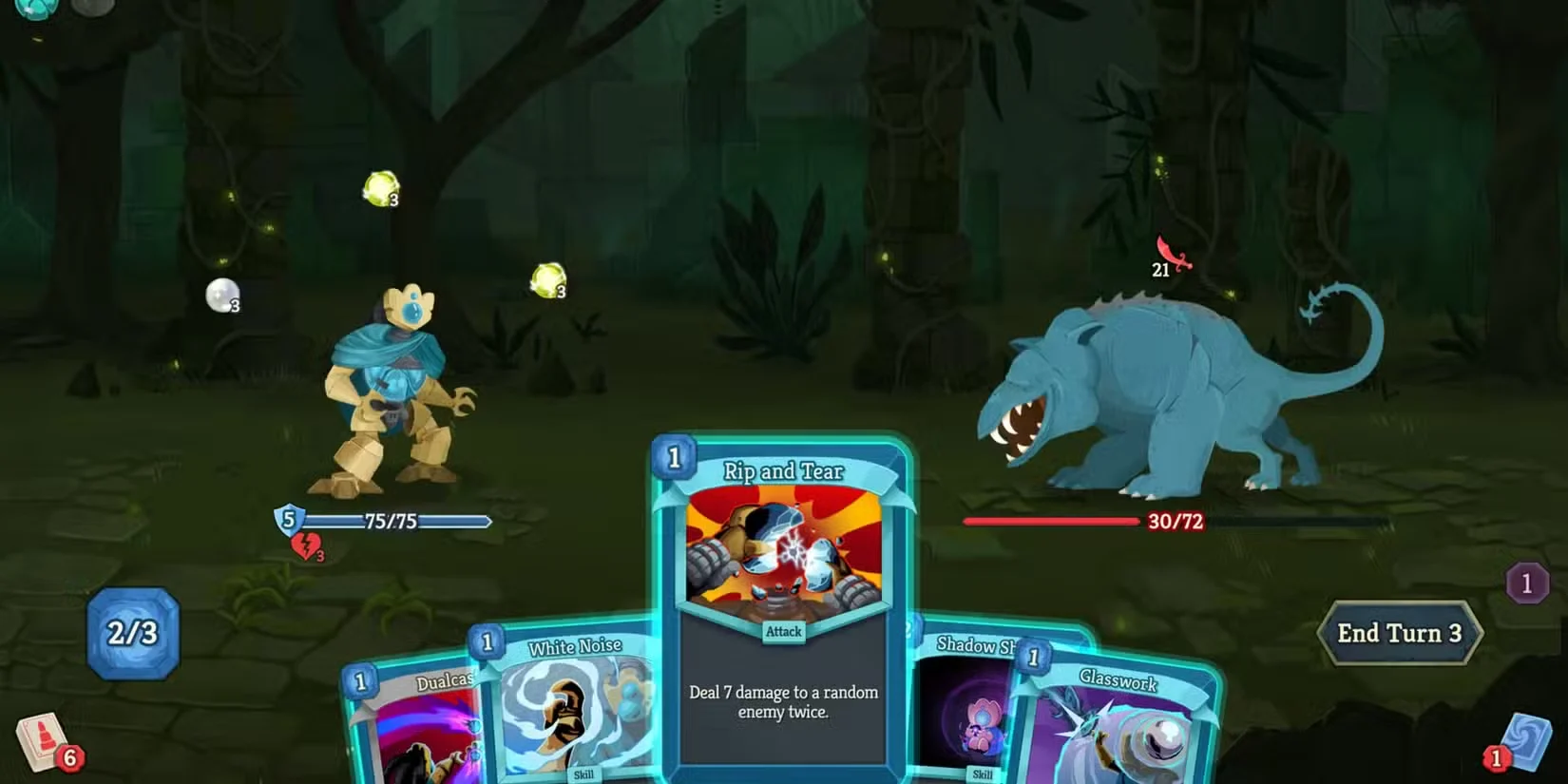
One of the more divisive changes is the reduced presence of energy relics. In the original game, players could usually expect an energy relic at the end of an act. That expectation is gone in the sequel.
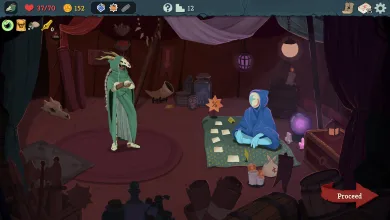
Instead, NPCs can offer gifts, and players may not receive the exact kind of relic they wanted. The result is a tougher decision-making process. Decks have to work with the rewards they receive rather than relying on a familiar boost to energy each act.
Afflictions turn temporary problems into card puzzles
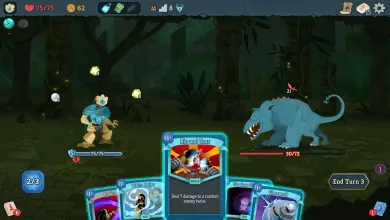
Afflictions add another way for encounters to interfere with a player’s deck. The original game already used Cursed Cards and combat debuffs, but these new effects temporarily alter how cards behave and force players to adjust their plans.
Bound, for example, affects the first cards drawn and limits players to one Bound card per turn. Galvanized creates a different problem by damaging the player whenever they play Powers. These effects can change the value of a hand in seconds, turning an otherwise familiar fight into a small tactical puzzle.
Enchantments give cards more personality
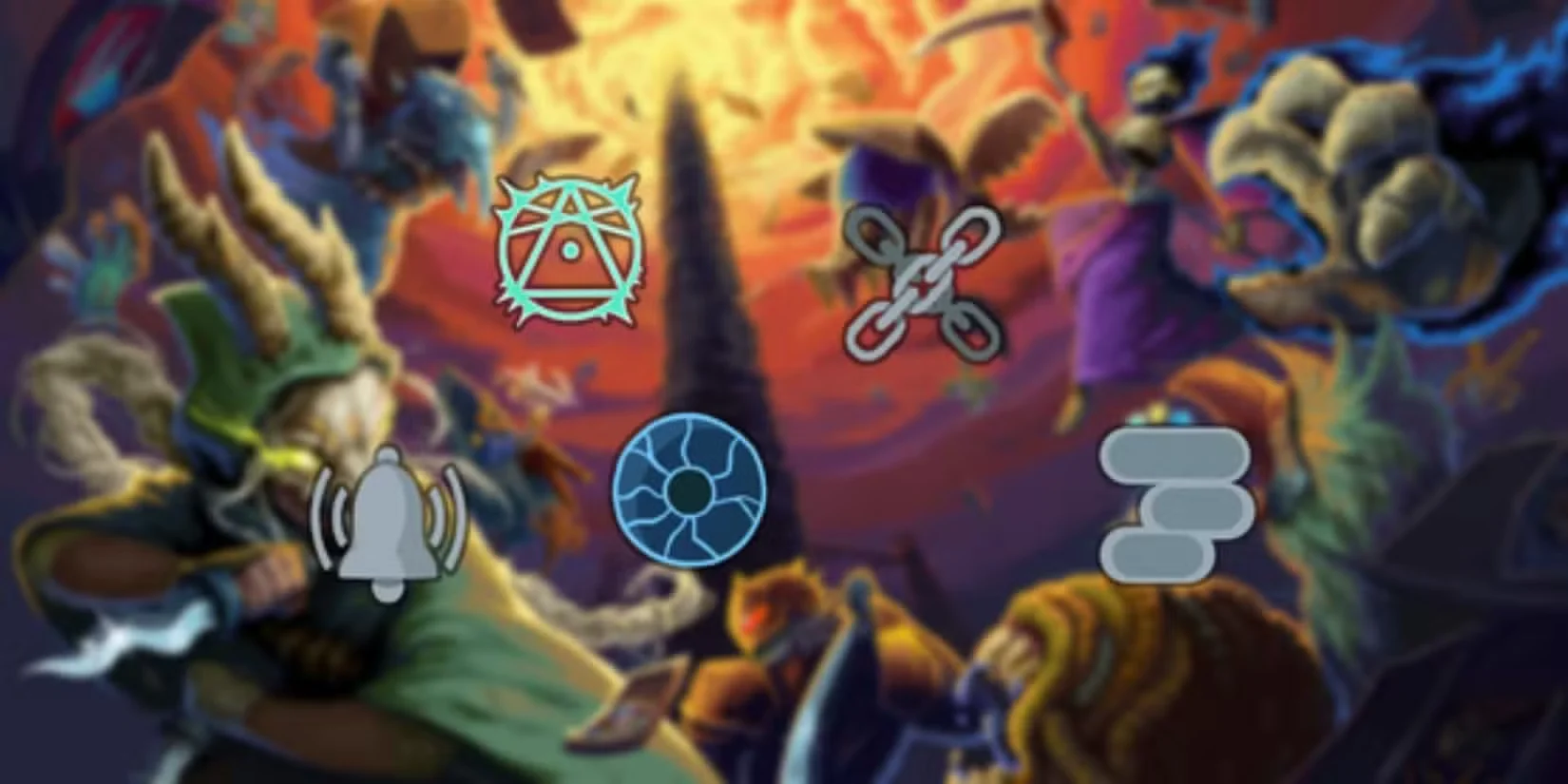
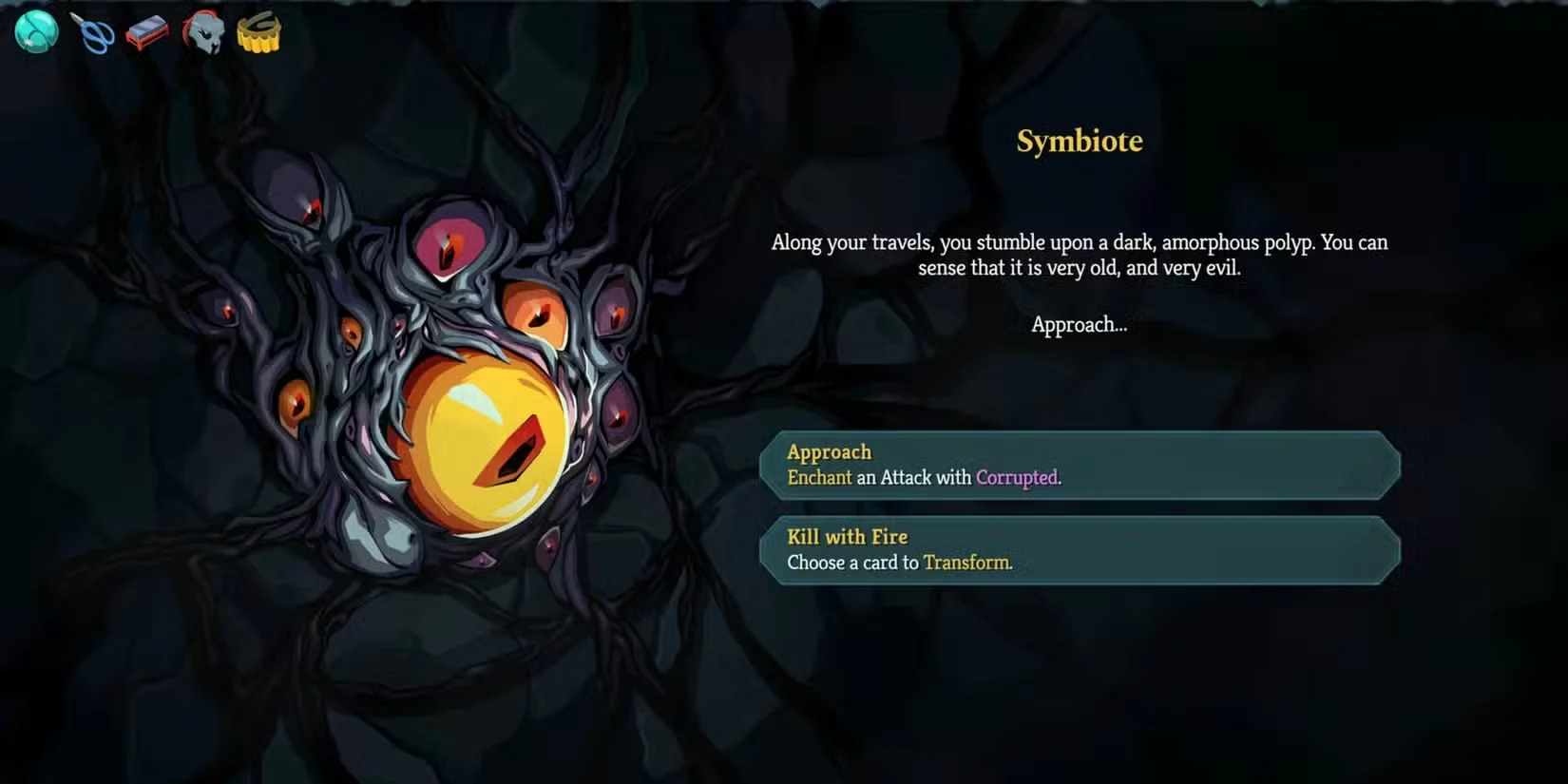
Cards can also receive enchantments that add modifiers during a run. Effects such as Sharp, Swift, and Slither can increase a card’s damage or alter its cost, giving players another way to tune a deck after it has already begun to take shape.
This system gives players more control without replacing the core card-drafting loop. Enchantments are not available constantly, and their current range is fairly narrow, but even a small modification can change how a card fits into a deck. Wildfrost uses a similar idea, so the mechanic is not entirely new to the genre.
A stronger story adds context to each climb
Roguelike deckbuilders usually put their systems ahead of narrative. Slay the Spire 2 takes a quieter route by sharing small pieces of character history throughout a run instead of stopping the action for long story scenes.
Those brief moments gradually add context to the world and the people moving through it. The approach gives the climb a little more purpose while keeping the card battles at the center of the experience.
Steam Workshop support keeps the game open-ended
Steam Workshop support arrived while the sequel was still in Early Access, giving players a way to adjust the experience and add community-made content. The original Slay the Spire benefited greatly from its mod scene, and the sequel is following that same path early in development.
The original game’s Downfall mod showed how much extra life a large community project can bring to a deckbuilder. Early Workshop support gives Slay the Spire 2 room to grow beyond Mega Crit’s own updates, whether players want new characters, cards, challenges, or entirely different ways to play.
These systems do not discard what made the first game work. They add more uncertainty to the map, more ways to personalize a deck, and more reasons to bring a friend along for another run. Share your thoughts on Slay the Spire 2 in the comments, and follow us on X, Bluesky, YouTube, and Instagram.
Slay the Spire II
Developed by Mega Crit Games