War Thunder is giving Phoenix missiles a more realistic flight model
The Heavy Cavalry update will also add engine-delay, altitude-hold, and autopilot changes for several guided weapons and bombs.

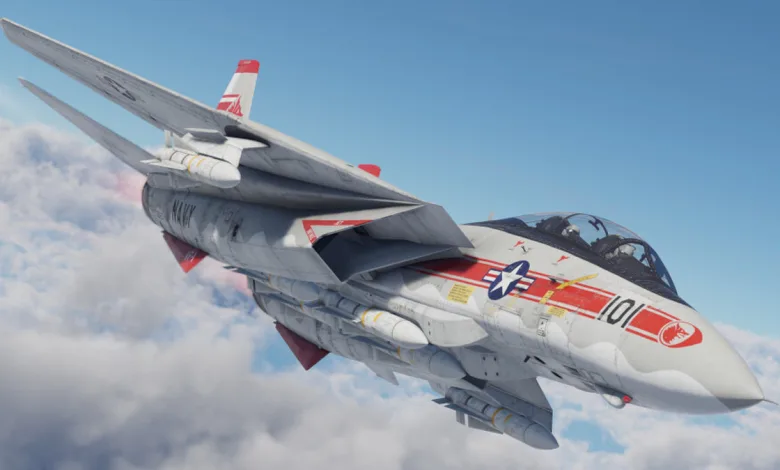
War Thunder is giving the AIM-54 Phoenix family and several other weapons a bigger physics pass in the Heavy Cavalry major update. Gaijin said the goal is to bring missile behavior closer to real-world data while adding new systems for thrust, engine timing, and altitude control.
One of the biggest changes is the way rocket thrust will react to atmospheric pressure. Instead of using one average thrust value, missiles will produce more thrust as air pressure drops, which means they should perform better as altitude climbs. The Phoenix family will be first to use that mechanic, with wider support planned later based on reports and fresh data.


The Phoenix itself is also getting a heavier tune-up. Gaijin said the AIM-54A will move from 17G to 22G, while the AIM-54C will go from 17G to 25G. The maximum trim angle of attack will also double from 12.5 degrees to 25 degrees, which should help the missiles turn more cleanly toward targets at shorter ranges.
Patch Notes
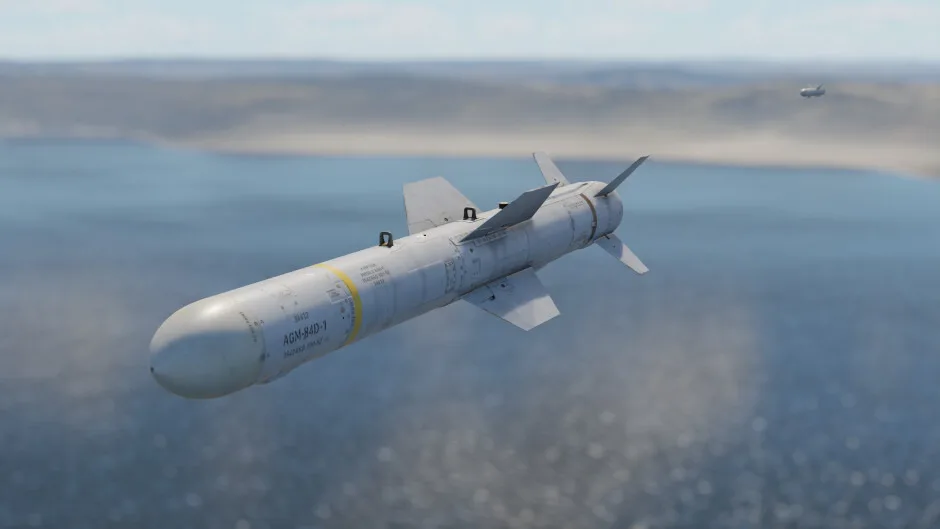
Heavy Cavalry also brings changes to missiles and guided weapons that use air-breathing engines. Gaijin said the new Kh-31 ramjet will be joined by turbojet engines on missiles such as the AGM-84 and Kh-59M. After the update, fuel use and thrust will vary with speed and altitude, so faster, higher flight should conserve fuel at the cost of some thrust.
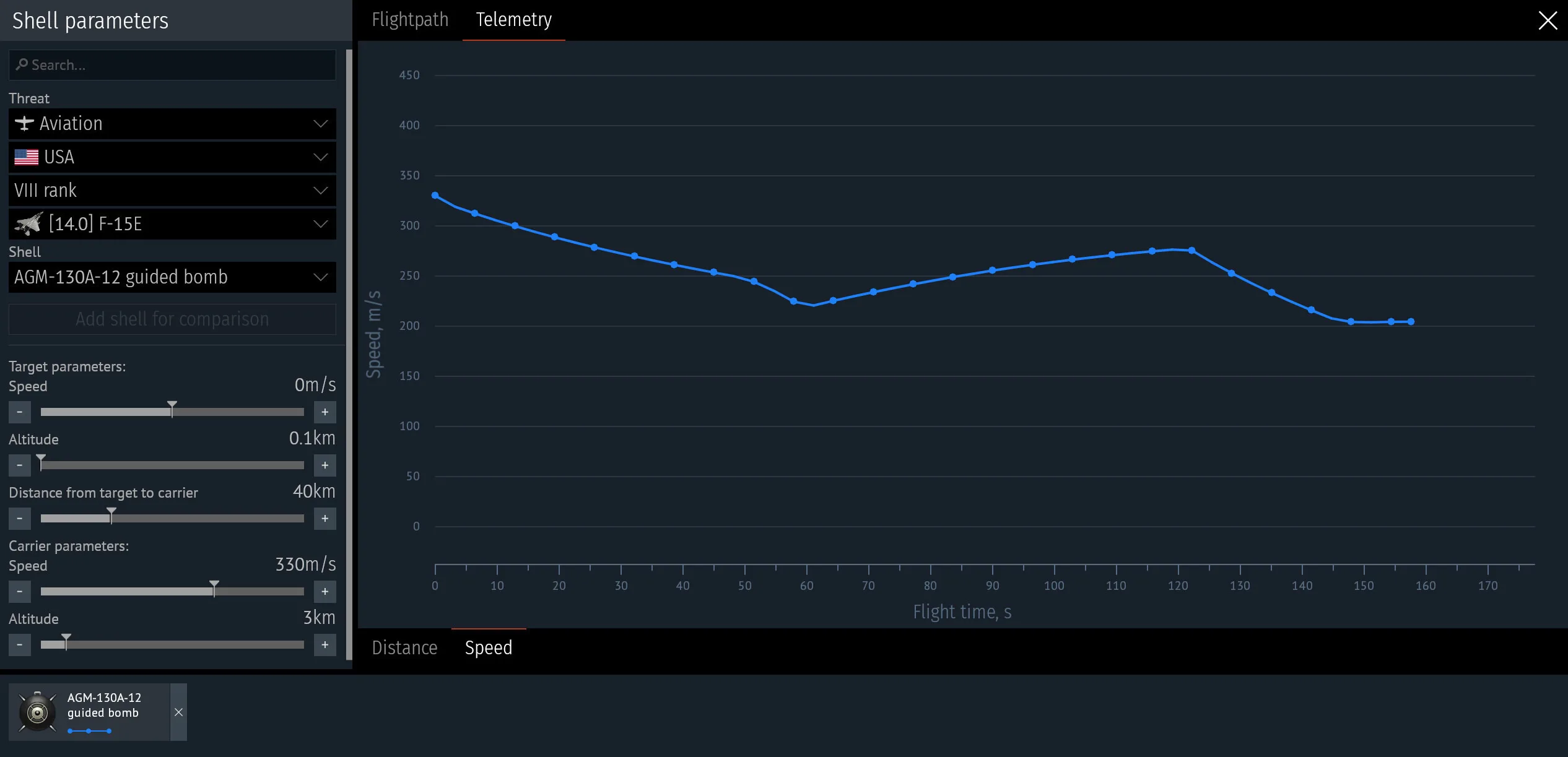
Autopilot timing is changing as well. The British ALARM anti-radiation missile will use a two-stage engine cycle, but in War Thunder the second ignition will be used for range and terminal speed rather than its loitering-munition behavior. The studio also added delayed engine starts to the PGM-500, PGM-2000, and AGM-130A-12 guided bombs, which should stretch their reach. The new missile comparison screen will also show engine operation more clearly.
That same group of weapons will also gain altitude hold. Gaijin listed the AGM-130A-12, PGM-500, PGM-2000, AJ.168, LMUR, CM-502KG, and SPIKE-ER as weapons that can keep cruising instead of climbing and then diving, which can make interception harder.
One limitation remains for now. Helicopter ammunition will not have man-in-the-loop support in this update, with that feature planned for a later major update once more nations have helicopters with the right armament.
What comes after Heavy Cavalry
Gaijin also said it will introduce a lift-coefficient system that changes with Mach number. Under that model, lift will rise at subsonic speeds, fall sharply at transonic speeds, and taper off at supersonic speeds. The first missiles to use that system will be the AIM-7 and R-27 series after Heavy Cavalry, and similar physics changes will later expand to all missiles in the game.
The studio said it will keep updating missile and bomb flight models as new reports and data come in, while also adding more mechanics to older weapons over time.
If you fly War Thunder with the Phoenix, ALARM, or any of these guided bombs, tell us what you think in the comments below. You can also follow us on X, Bluesky, YouTube, Instagram.
Source: Steam
War Thunder
Developed by Gaijin Entertainment
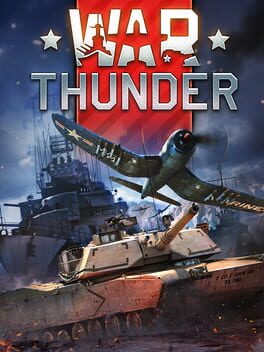
War Thunder is a free-to-play vehicular combat MMO featuring aircraft, ground vehicles, and naval craft spanning from the early 20th century to the modern era. Players progress through technology trees across multiple nations, unlocking increasingly advanced military vehicles. The game offers three realism tiers for each vehicle type: arcade, realistic, and simulator modes. Originally developed as a flight simulator under the name "World of Planes," the game expanded to include tanks in 2014 and naval forces later, becoming a combined-arms experience. A mobile version was released in 2023.
- Genre Shooter, Simulator, Tactical
- Platforms Xbox Series X|S, PlayStation 4, Linux, PC (Microsoft Windows), PlayStation 5, Mac, Xbox One
- Perspective First person, Third person, Virtual Reality
- Modes Single player, Multiplayer, Co-operative, Massively Multiplayer Online (MMO)
- Release January 28, 2013
- Publisher Gaijin Entertainment
-
Age Rating