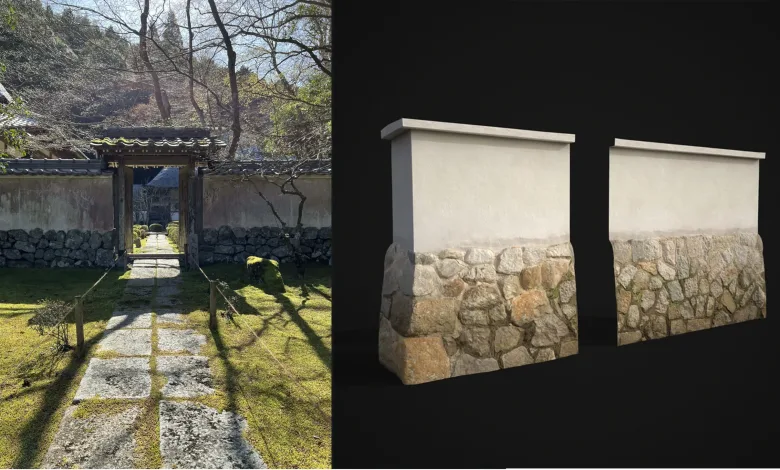
Insomniac Games treated Japan as a full production mission for Marvel’s Wolverine, sending a scanning team through multiple regions to collect the textures, structures, natural surfaces, and cultural details that will feed the game’s environments.
The completed trip produced more than 600 scans across 4 biomes, over 100 miles walked, 5.6 TB of captured data, and 189,589 photos. The photo count does not include additional reference photography gathered along the way.


Insomniac detailed the work in a PlayStation Blog feature published on September 1, describing the Japan mission as part of a broader worldwide effort to record real-world assets and study the places that inspire the game’s fictional locations.
A route built around varied environments
Planning began months before the team left for Japan. Sony Interactive Entertainment teams in the country helped with virtual scouting and route planning, while Marvel’s Wolverine’s environment team prepared requests for particular assets and biomes. The scanning crew then had to fit as many of those requests as possible into a limited schedule.
The route ran from Tokyo to Joetsu, continued through Tsumago-Juku and Magome-Juku, reached Kyoto, and then returned to Tokyo. Earlier scanning trips generally kept locations close together to leave more time for scanning and data backups. Japan required the team to accept far more travel between stops because the desired environments were spread across several regions.
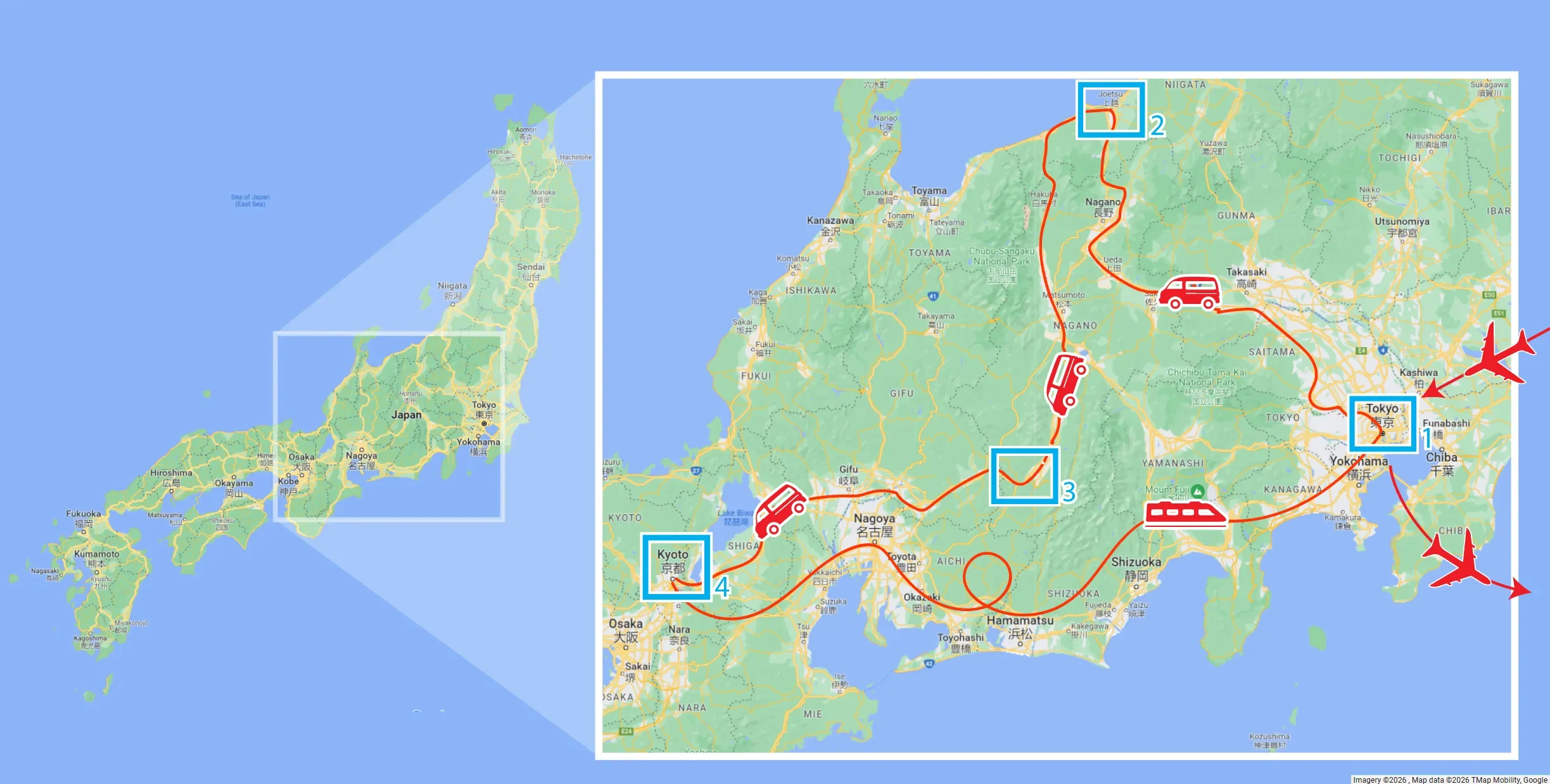
That meant long hours on Japanese highways, with the crew carrying around 20 pounds of scanning equipment on many of the walking days. Three pieces of gear broke during the trip, including 2 cables and 1 plastic case. A phone’s glass back also shattered.
Snow, bamboo, cities, and underground stations
Japan gave the team access to far more than a single visual style. Mountainous, snow-covered regions provided references for snow, stone, bark, ground cover, and the effects of winter weather on materials. Bamboo forests added dense vegetation and layered organic detail, while hot city streets supplied pavement, walls, public infrastructure, and the small signs of wear found in lived-in spaces.
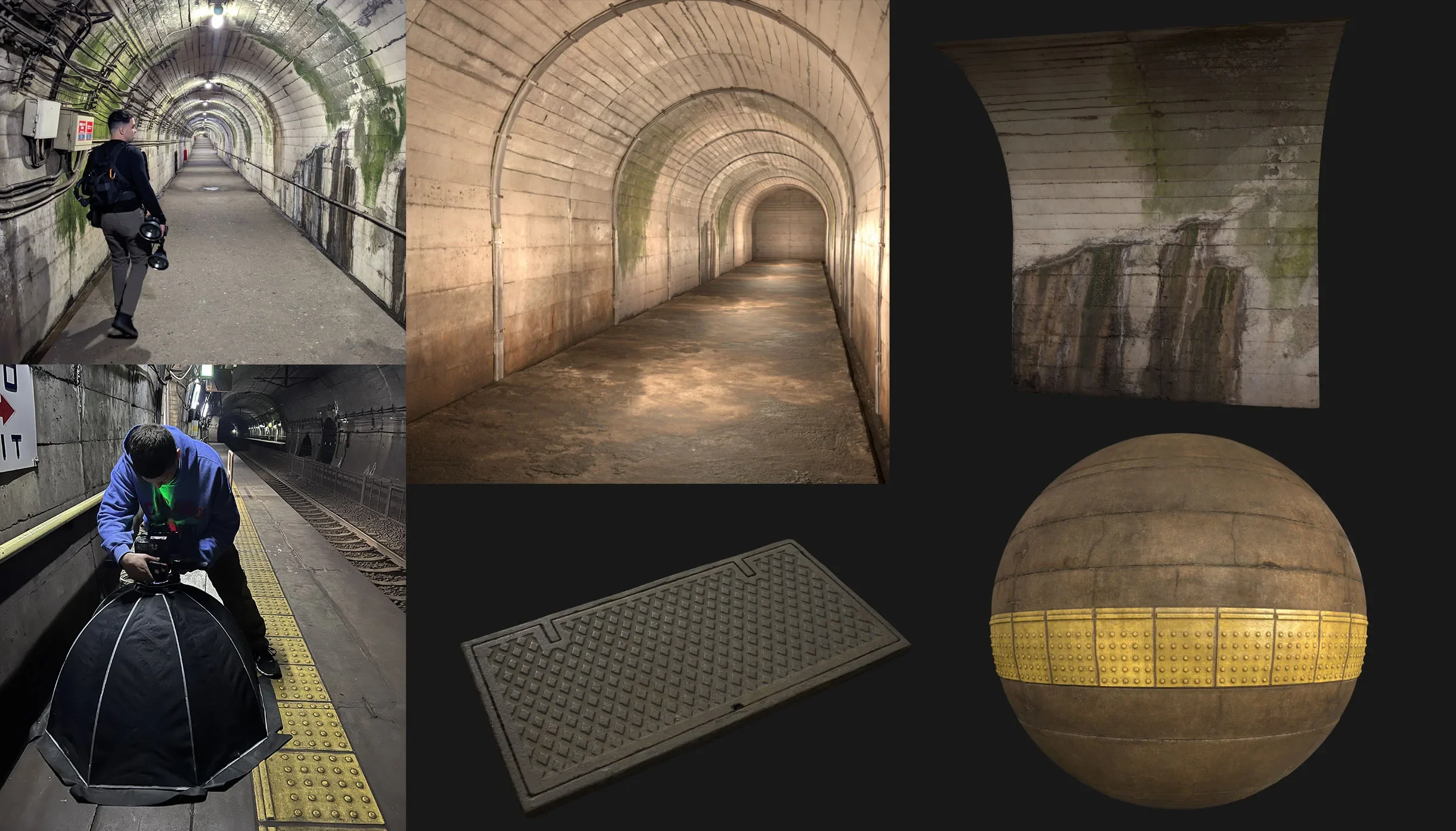
Underground transit locations brought another set of references, including tunnel surfaces, transitions, and architectural patterns. Remote temples offered construction details and cultural elements that would be difficult to reproduce convincingly from a generic asset library.
High-resolution scans record the physical details of a place, but the team also took extensive photo references to study each location’s visual character, texture, and scale. Artists could use those observations when building fictional areas, giving them a real-world foundation without copying any one location directly.
How the scans support Marvel’s Wolverine
Back at Insomniac, the captured material can be turned into reusable environment asset kits. A scanned wall, temple detail, tunnel surface, or piece of infrastructure can provide artists with a grounded starting point for building the game’s spaces.
The Japan mission also adds context to the game’s wider design work. Alongside its location research, Marvel’s Wolverine will use a combat system built around momentum and 3 Rage tiers, giving Logan’s physicality a clear role both in the world and in play.
Marvel’s Wolverine will arrive on PS5 on September 15, 2026. Players will get to see how much of Insomniac’s research made it into the finished environments when Logan’s adventure releases.
Share your thoughts on Insomniac’s Japan trip in the comments, then follow us on X, Bluesky, YouTube, Instagram, Steam, and Telegram.
Marvel's Wolverine
Developed by Insomniac Games

Marvel's Wolverine is a single-player action-adventure game and a standalone entry in the Marvel's Spider-Man series, sharing continuity with those titles while telling its own self-contained story. Players control Logan/Wolverine in close-quarters combat, using his adamantium claws against enemies drawn from the X-Men comic book mythology.
- Genre Hack and slash/Beat 'em up, Adventure
- Platforms PlayStation 5
- Perspective Third person
- Modes Single player
- Release September 15, 2026
- Publisher Sony Interactive Entertainment
-
Age Rating