Early Access Expectations Are Squeezing Indie RPGs, Denis Dyack Says
The Apocalypse Studios CEO says polished big-budget releases are raising the bar, while performance problems and negative reactions around Deadhaus Sonata have motivated a ground-up rebuild.

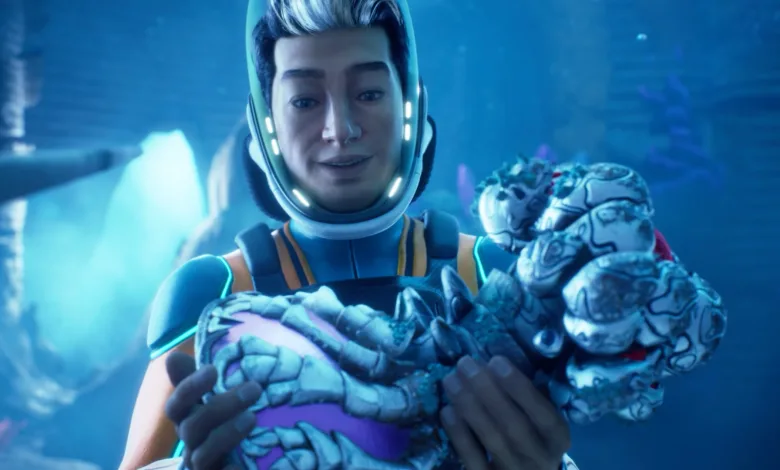
Denis Dyack says polished Early Access releases from major publishers can leave players expecting near-finished games, putting smaller developers at a disadvantage. The Apocalypse Studios CEO argues that some publishers use the program as a marketing beat, rather than as a development stage built around player feedback.
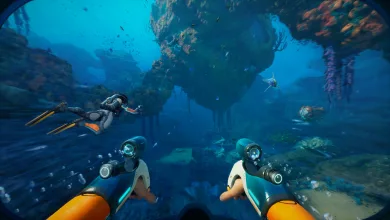
In a GamesIndustry.biz interview, Dyack pointed to Subnautica 2 and Path of Exile as games that have changed what players expect from Early Access. Apocalypse Studios creative director Ethan McKinnon added that players compare games in the same marketplace, leaving smaller teams to meet a higher bar.
Subnautica 2 creative director Anthony Gallegos described the label as covering very different stages of development. It can mean long-term open development, as with Subnautica 2, or a paid beta for a game only three months from version 1.0. Gallegos said that range can make Early Access confusing for players.
When Subnautica 2 entered Early Access on May 14, Unknown Worlds described a planned two-to-three-year development period, with more biomes, creatures, craftables, features, and story content to come. On Oct. 15, the studio also outlined a planned Early Access 2.0 update with a new region, additional story content and creatures, and changes to the Tadpole. The planned update offers an example of the continuing development that the format can support.
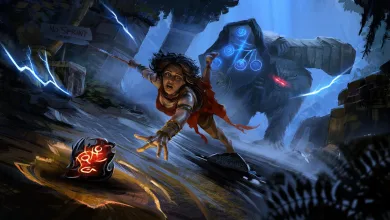
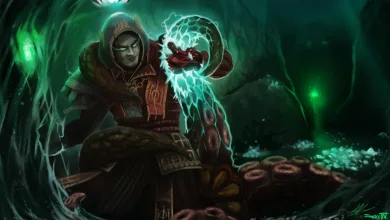
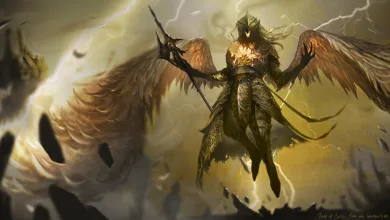
Deadhaus Sonata brings the pressure closer to Dyack’s studio. The game is in Early Access on Steam, and its launch included performance problems that Dyack described as demoralizing. He said negative reactions motivated the team to rebuild the game from the ground up.
Dyack also acknowledged that Apocalypse Studios missed basic priorities with Deadhaus Sonata. The team did not manage Unreal Engine properly or explain the game’s appeal clearly, and it focused too much on what made the project different instead of getting the fundamentals right. Dyack and McKinnon advised other developers to get their games running well, pay attention to Steam reviews, and connect with influencers who can introduce the games to players. McKinnon’s central point was that developers should treat Early Access like a full launch because players do.
Should Early Access signal a clear stage of development, or is the label useful across projects at different stages? For updates on the Deadhaus Sonata rebuild and Subnautica 2‘s planned Early Access 2.0 content, stay connected on X, Bluesky, YouTube, Instagram, Steam, and Telegram.