WARDOGS reached 400,196 concurrent Steam players after entering Early Access on September 10, 2026, giving BULKHEAD a much larger opening than its launch infrastructure could comfortably handle. Sales reached 1.25 million copies within the first day, then overall sales passed 1.5 million.
The game’s Steam rating fell as low as Mixed during the opening problems before recovering to Very Positive after BULKHEAD responded with fixes. BULKHEAD said repeated DDoS attacks affected opening-day access, while heavy server congestion continued to cause disconnects and slow matchmaking after those attacks stopped.

SteamDB recorded zero negative reviews on Sept. 11, followed by a few hundred on Sept. 12. That review activity shows how quickly sentiment shifted, although an earlier snapshot placed the overall rating at 77.39%, with 21.4% of reviews marked negative. Recovery arrived in stages rather than through one clean reset.
Pressure had been building before the public launch. The WARDOGS beta had already passed 245,000 concurrent players, far beyond BULKHEAD’s original target of 5,000 to 10,000. A large returning audience arrived as soon as the paid Early Access release began, leaving the studio to scale its systems in public.
WARDOGS keeps its multiplayer pitch simple
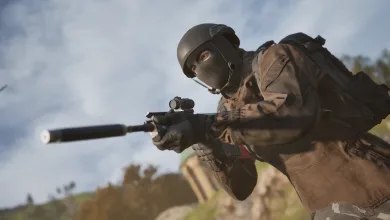
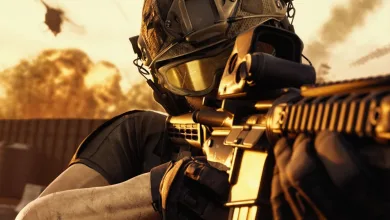
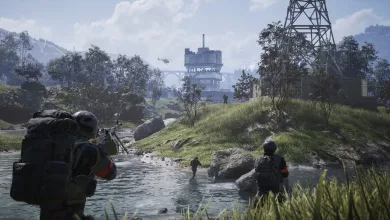
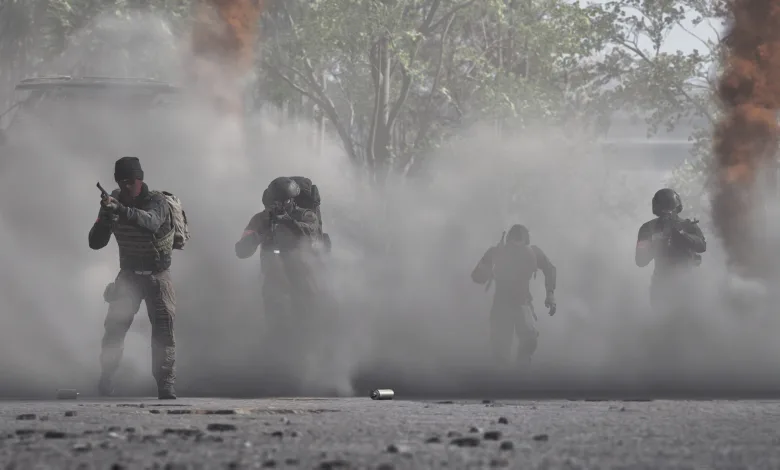
Alongside the improved rating, players have praised WARDOGS for avoiding microtransactions at launch. The shooter focuses on boots-on-the-ground combat, vehicles, and battles between three active teams instead of building its opening pitch around a long list of live-service systems.
That approach gives WARDOGS a clear identity as BULKHEAD continues its Early Access work. A quick response cannot erase a failed launch queue, but it can give a multiplayer game room to recover when players see problems being addressed instead of ignored.
WARDOGS’ login queue lost most of its throughput
At one point, a launch dashboard showed 45,590 players inside the game while another 168,000 waited. In an interview with PCGamesN, UI/UX Director Howard Philpott explained that the launch exposed a wave of simultaneous login attempts and a queue that could not process them quickly enough. The system was designed to admit 100 players per second, but only about 10 were getting past the gate. Expired login tickets then caused more attempts to fail, adding another layer of trouble to an already stalled process.
BULKHEAD’s Launch Stability Hotfix #1 required logged-in players to restart, download the update, and return to the queue. The more substantial fix changed the process so players received a fresh ticket from Valve’s login system when they reached the front instead of relying on the ticket issued when they first opened the game.
Production Director James Tatum-Dean and the team then moved players through the queue in groups of 10,000 while monitoring the results. The waiting count eventually reached zero, turning a crisis that was beginning to look like a refund problem into a launch operation the studio could finally control.
Joe Brammer also described players being admitted in waves as the studio worked through the access problems.
This is how many people are through the queue.
We are letting people through in waves.
I gotta take the L on this one guys, we’ve got it but it’s on me here. This is why we release on a Thursday. pic.twitter.com/CNLiRs9qgu
— Joe Brammer (@Brammflakes) September 10, 2026
Anti-cheat created another launch failure
Queue access was not the only system causing trouble. Philpott said BULKHEAD’s zero-tolerance anti-cheat policy falsely banned legitimate alpha testers, including FPS streamers Michael “Shroud” Grzesiek and Jaryd “Summit1g” Lazar.
Summit1g later received a ban after an interaction with a cheater, with the wrong person punished during the review. Brammer said the incident reinforced the need for a human to remain involved in anti-cheat decisions even as the studio continues using automated tools.
BULKHEAD admitted about 11 streamers received queue jumps
Brammer also acknowledged that BULKHEAD moved about 11 streamers into the game ahead of other players. He accepted responsibility for the decision and said the team believed their broadcasts could entertain viewers while helping communicate instructions about server restarts and other launch problems.
That choice gave a small group faster access while thousands of other players waited. The explanation does not erase the imbalance, although the studio’s decision to discuss the queue failure, mistaken bans, DDoS attacks, and streamer access gives players a clearer account of why WARDOGS’ strong sales and player numbers arrived alongside such a chaotic opening.
Would a 168,000-player queue have made you ask for a refund, or did BULKHEAD do enough once the fix arrived? Tell us what you think in the comments, and follow us on X, Bluesky, YouTube, Instagram, Steam, and Telegram.
Wardogs
Developed by Bulkhead