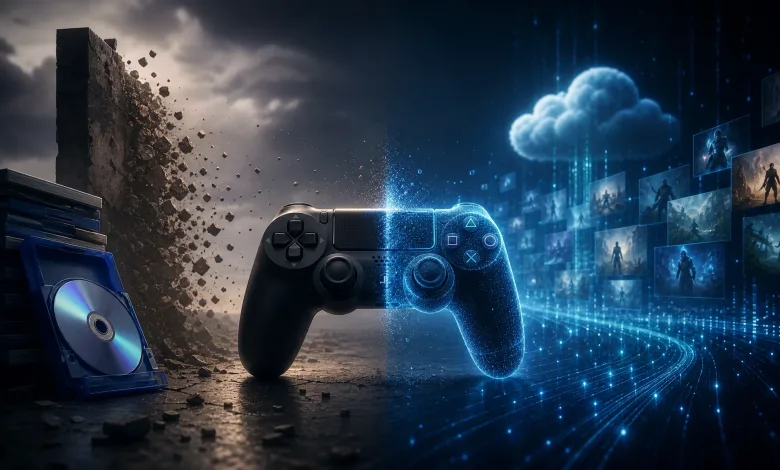
Sony’s latest terms-and-conditions email to PS5 owners has drawn fresh criticism by reminding customers that digital games are licensed rather than sold. In practice, the wording means buying a game grants permission to use it, not ownership of the underlying software.
The reminder arrived as protesters began a PS5 blackout campaign during the week of August 23. Sony is also facing sharper criticism over its plans for disc-based physical releases, which are scheduled to end in 2028.


What Sony’s license clause allows
Sony’s terms describe the software license as limited, non-exclusive, non-transferable, and personal. It covers private, non-commercial use on the system or device the software was intended for.
The same section prohibits copying, hacking, sublicensing, and emulation. It also states that breaking those conditions immediately voids the license, giving Sony a clear legal basis for restricting how its software is used.
Steam, Microsoft, and Nintendo use similar wording
Sony’s language is not unique among major digital storefronts. Valve’s Steam EULA also says content and services are licensed rather than sold, and explains that a license does not provide ownership of those products. Access may also require a Steam account, the Steam client, and an internet connection.
Microsoft takes a similar position in its digital goods rules, tying access to the customer’s payment, license terms, applicable codes of conduct, the rules themselves, and any additional terms supplied when the purchase is made.
Nintendo’s software agreement goes further by describing the license as non-exclusive and revocable, limiting use to personal, non-commercial activity on the company’s console and restricting players to uses expressly allowed by the agreement.
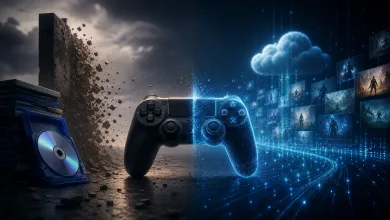
Physical games are not completely free of licensing language either. The practical difference is that a disc can still be traded or resold, while a digital purchase generally remains tied to the account and conditions under which it was licensed.
That leaves Sony’s message as a reminder of a broader rule used across digital game stores, rather than a new policy aimed only at PS5 owners. The larger debate is about how much control customers should have over purchases that can be withdrawn, restricted, or tied to a service, an issue that may eventually require changes to consumer-protection rules.
Do you think digital games should come with stronger ownership rights? Share your thoughts in the comments, and follow us on X, Bluesky, YouTube, Instagram, Steam, Telegram.