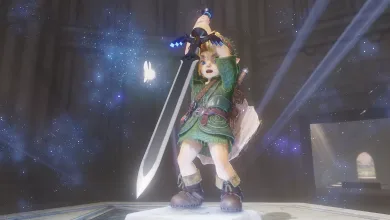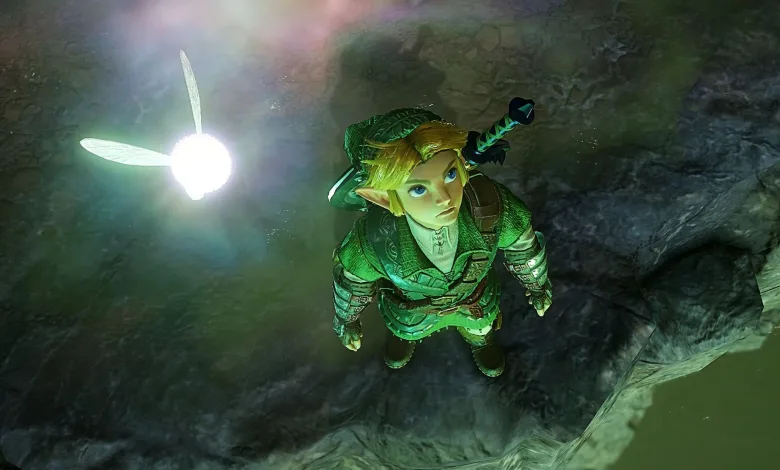
Eiji Aonuma saw The Legend of Zelda: Ocarina of Time remake as more than a return to the 1998 classic. He wanted the younger developers working on it to understand how the original was built and carry useful lessons into future Zelda games.
Ocarina of Time was the first Zelda game Aonuma worked on. In Nintendo’s Ask the Developer interview, he said the series’ 40th anniversary in 2026 gave him a reason to assign the remake to a team whose members had mostly worked on newer games. He wondered whether they understood the original’s importance to the series and how they would interpret it when developing future titles.
Some knew the Nintendo 64 adventure only vaguely, others had played it as children, and some younger developers had never played it. By rebuilding the game, Aonuma hoped they would learn from its structure and development approach.
Art director Aya Shida was among those who came to the original later. In a second Nintendo interview, she said she first played the N64 version after joining the remake project and was impressed by its polish, 28 years after its release.
Aonuma did not tell the developers which parts to preserve or change. He let them make those decisions and pursue their own ideas, though he said he still gave them his share of lectures. Early on, he thought the team might make more changes. He was surprised by its restraint and by how deeply its members cared about the original, and praised the experience they created from a game released 28 years earlier. He also wants to see what younger staff imagine for future Zelda games and is happy to guide them as they develop their ideas.
Aonuma, who served as scenario director and dungeon designer on the original, said in an AFP interview that he is nervous about how players will receive the remake. He credited younger developers with helping the team find ways to make the game fun once players have the controls in hand, and said the remake left room for surprises.
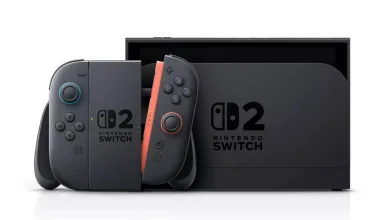
Nintendo’s September 8 gameplay reveal showed control changes including on-demand jumping, a dash, gyro aiming, and quicker item switching. The Switch 2 control updates give players more direct ways to move, aim, and switch items. The remake also adds Threads of Time, a tracker that records progress and points players toward objectives.
Aonuma also said the team wanted a visual style that felt new while staying connected to the original, a goal reflected in the remake’s art direction.
Nintendo has scheduled the remake as an exclusive Nintendo Switch 2 release for Nov. 5, 2026.
Which part of the original would you most want the remake team to rethink? Follow the remake’s control updates and lead-up to its November launch on X, Bluesky, YouTube, Instagram, Steam, and Telegram.