War Thunder’s Next Major Update Will Make Bombers Tougher to Bring Down
Gaijin Entertainment says more than 60% of combat losses in its research came from fuel and oil fires rather than structural failure.

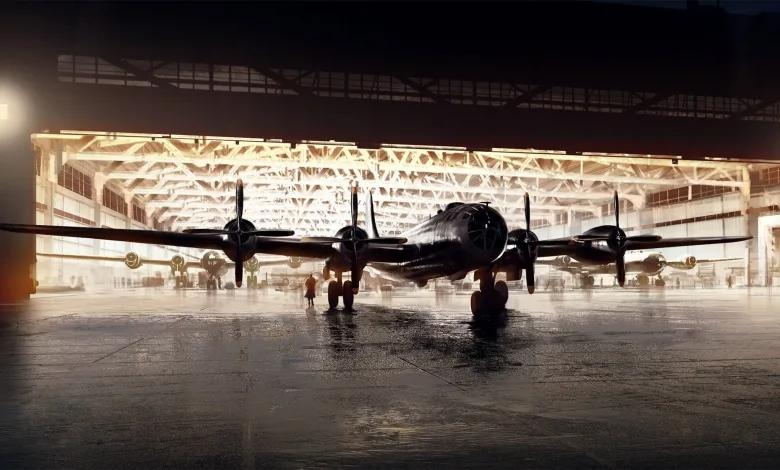
War Thunder’s next major update will introduce a rebuilt damage model for bombers, with the goal of making aircraft survivability better reflect how real airframes respond to gunfire, shrapnel, and explosions. Gaijin Entertainment has already started applying the findings, but the wider overhaul is still being prepared for the next major update.
Gaijin detailed the work in an August 28 Steam announcement. No release date was given for the major update, so the bomber changes remain an upcoming feature rather than a finished rollout.
What Gaijin found in bomber damage tests
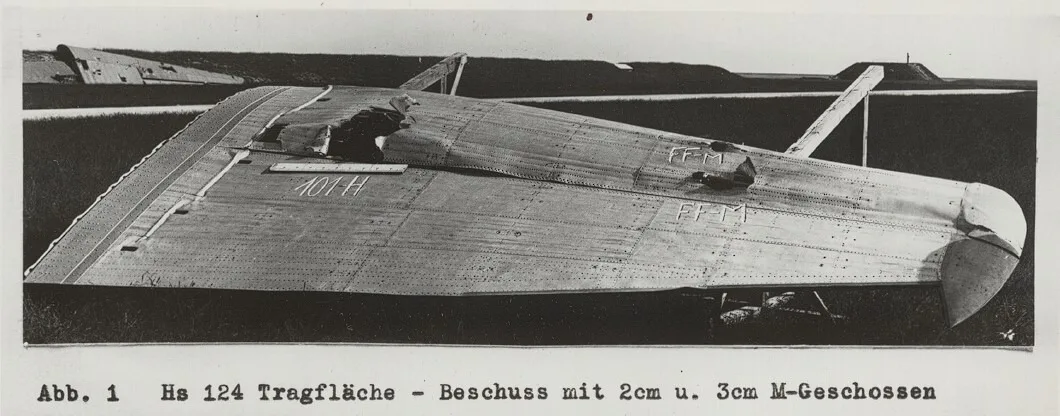
Bomber survivability has been a recurring community complaint, especially when a single hit can sometimes destroy an aircraft outright. Gaijin spent several months collecting test data on how different ammunition types affect fuselages, wings, engines, and wing spars before rebuilding the relevant systems.
The research suggests that small fragments rarely compromise an aircraft’s frame. Fragments weighing around three grams generally do not have enough force to break spars, ribs, or the center wing section. External blast effects also caused less structural harm than the current game model may imply, with even high pressure against a wing rarely producing critical damage.
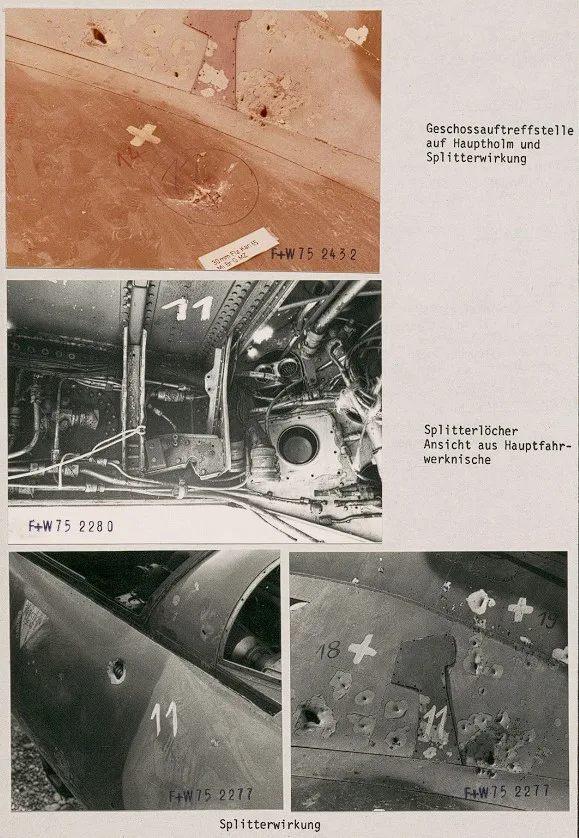
Fire was a far more common cause of combat losses in the historical data. More than 60% of losses came from fires in fuel and oil systems, while other damage often left an aircraft wounded but flyable. In those cases, crews could abort their missions and make emergency landings within roughly 30 minutes to two hours instead of losing the aircraft immediately.
Aircraft skin will also play a larger role. Its thickness and material affect how well an airframe handles incoming fire, and the largest bombers use wing-box structures where the upper and lower skin panels help carry the load. Some of those panels can reach thicknesses of tens of millimeters. Gaijin also plans to account for differences between aircraft from different periods, since faster aircraft generally use stronger and thicker structural skin.
How the bomber damage model will change
Gaijin says the overhaul covers accumulated errors, damage buildup, hit zones, wing spars, tail assemblies, fuselages, and engines. Piston-powered bombers will receive separate configurations for inline and radial engines, along with different setups for aircraft carrying between two and six engines.
Jet bombers are being handled separately because their damage calculations require different logic. The work also extends beyond traditional bombers to aircraft built from bomber airframes. The affected families and vehicles include the A-26 Invader, Pe-3, Su-8, Tu-1, TIS-MA, and Ju 388 J.
For players, the practical result should be fewer wing failures from glancing or poorly placed hits. Destroying a bomber will require more accurate fire directed at fuel tanks, engines, or the crew, while ammunition choice should matter more than it does now. The bomber overhaul joins the broader plans for War Thunder’s next major update, which are still subject to change before release.
Gaijin says the current work is only an early step, and more adjustments will follow as the new model is tested. For bomber pilots, though, the skies may soon become a little less unforgiving. Tell us what you think in the comments, and follow us on X, Bluesky, YouTube, Instagram, Steam, and Telegram.
War Thunder
Developed by Gaijin Entertainment
War Thunder is a free-to-play vehicular combat MMO featuring aircraft, ground vehicles, and naval craft spanning from the early 20th century to the modern era. Players progress through technology trees across multiple nations, unlocking increasingly advanced military vehicles. The game offers three realism tiers for each vehicle type: arcade, realistic, and simulator modes. Originally developed as a flight simulator under the name "World of Planes," the game expanded to include tanks in 2014 and naval forces later, becoming a combined-arms experience. A mobile version was released in 2023.
- Genre Shooter, Simulator, Tactical
- Platforms Xbox Series X|S, PlayStation 4, Linux, PC (Microsoft Windows), PlayStation 5, Mac, Xbox One
- Perspective First person, Third person, Virtual Reality
- Modes Single player, Multiplayer, Co-operative, Massively Multiplayer Online (MMO)
- Release January 28, 2013
- Publisher Gaijin Entertainment
-
Age Rating