ESA Seeks Notorious Markets Listing for Preloaded Retro Handhelds
The trade group also names Anbernic and calls for action against repeat sellers and devices shipped with unauthorized game libraries.

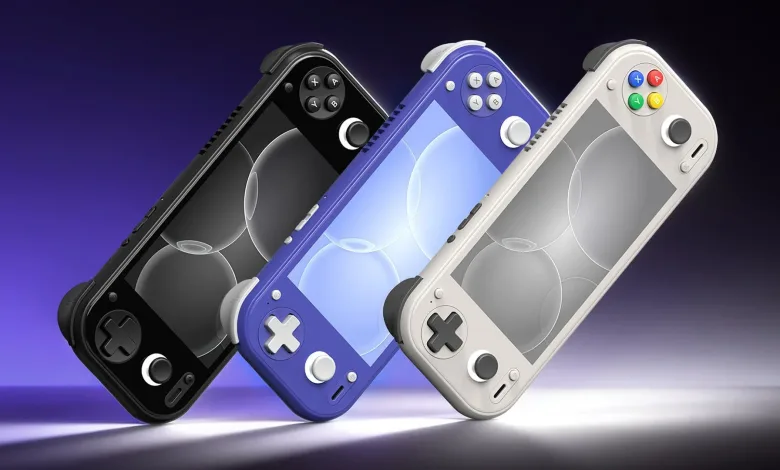
The Entertainment Software Association (ESA) has asked the U.S. Trade Representative (USTR) to include plug-and-play retro handhelds sold with unauthorized game libraries in the 2026 Notorious Markets List. The request is a nomination, not a government finding.
USTR’s annual list identifies online and physical markets accused of piracy and counterfeiting. As of Oct. 13, 2026, it had received about 30 responses, including new nominations and requests from parties already on the list to be removed.

ESA’s focus is on emulation handhelds sold with games already stored on a memory card or internal drive. The group argues that ready-to-play libraries make it easier for buyers to access pirated games and can divert purchases from publishers across multiple console generations. It says those libraries can also displace sales of authorized compilations, subscriptions, remasters, and licensed retro hardware. Bundling games removes much of the effort otherwise needed to run them, and sellers may use the libraries as a selling point for the device.
Finished cases, color screens, polished menus, and familiar retail listings can make these devices appear like ordinary consumer electronics, ESA argues. They are also available on Amazon, beyond specialist import shops, and some sellers promote the number of games included as part of the product’s appeal. ESA says some products use protected game titles, characters, screenshots, or logos without permission, not only in listings but also on packaging, in interfaces, and in promotional content.
The distinction in ESA’s request is the content bundled with a device, not emulation hardware on its own. The planned TheC64 and The Spectrum handhelds, for example, include MicroSD slots for owners to add legally obtained ROMs.
ESA’s proposal targets more than product pages
ESA wants enforcement efforts to treat preloaded unauthorized libraries as evidence of commercial-scale piracy, inspect bundled and separately shipped storage, and require sellers to show they have authorization for the games and branding. Its other recommendations include suspending repeat sellers and connected storefronts, preserving seller, payment, shipping, and advertising records, improving customs checks for devices and storage cards, and coordinating action across manufacturers, exporters, importers, fulfillment providers, and marketplaces that knowingly handle the products.
The group separately named Anbernic as a candidate for the Notorious Online Market list, alleging that its devices are routinely offered or shipped with removable cards holding hundreds or thousands of games published by ESA members. ESA also argues that sales through ordinary retail channels leave publishers and marketplaces with more of the work of tracking listings and responding to notices. Sellers may bundle ROMs with handhelds from Retroid, Ayaneo, and Ayn as well, though ESA’s statement specifically singles out Anbernic. Its recommendations call for action against manufacturers and other supply-chain businesses that knowingly facilitate the products.
Other nominations cover cracked-game sources, repackers and linking sites, torrent and piracy coordination markets, unauthorized digital-goods marketplaces, and commercial cheat markets. ESA wants USTR to include these examples in its 2026 report and urge governments and intermediaries, including hosting firms, registrars, payment and advertising services, and e-commerce platforms, to investigate commercial operators, preserve records, act against repeat sellers, and respond to rights-holder notices. It also calls for cutting off revenue or infrastructure services where applicable law allows.
Where should regulators draw the line between emulation hardware and devices sold with unauthorized games? As USTR considers nominations for the 2026 list, stay connected on X, Bluesky, YouTube, Instagram, Steam, and Telegram.
