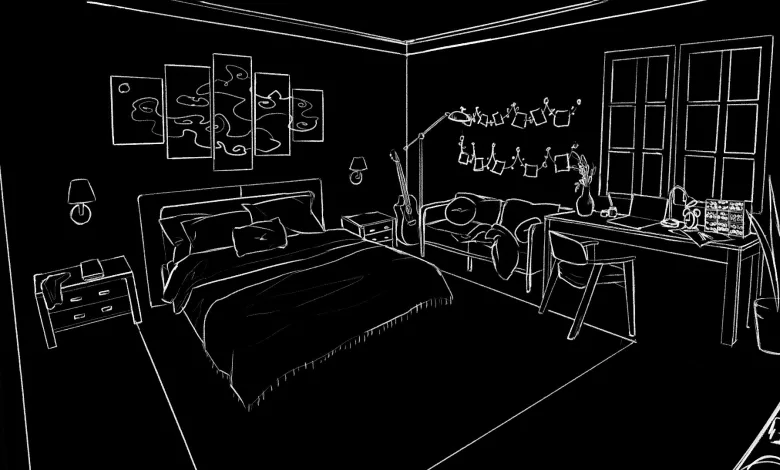
Coloratura is being built around a striking idea: a game where sound does the guiding and players can move through a 3D world without relying on sight. Nakama Studios detailed the project in a new PlayStation Blog feature, ahead of the game’s planned launch on PS5 later in 2026.
The project began as Museful, a Game Jam prototype that tested whether players could move through three-dimensional spaces without visual direction. The team also studied sightless games such as The Vale and A Blind Legend while deciding which visual aids to leave out. Its story takes inspiration from character-focused games such as Life is Strange, with music and personal conflict at the center.
Sound is the map
Coloratura follows Alex, a talented musician who lost her sight in an accident. Players can rotate the camera, move freely through the environment, and find their bearings through layered audio rather than fixed directional boundaries.
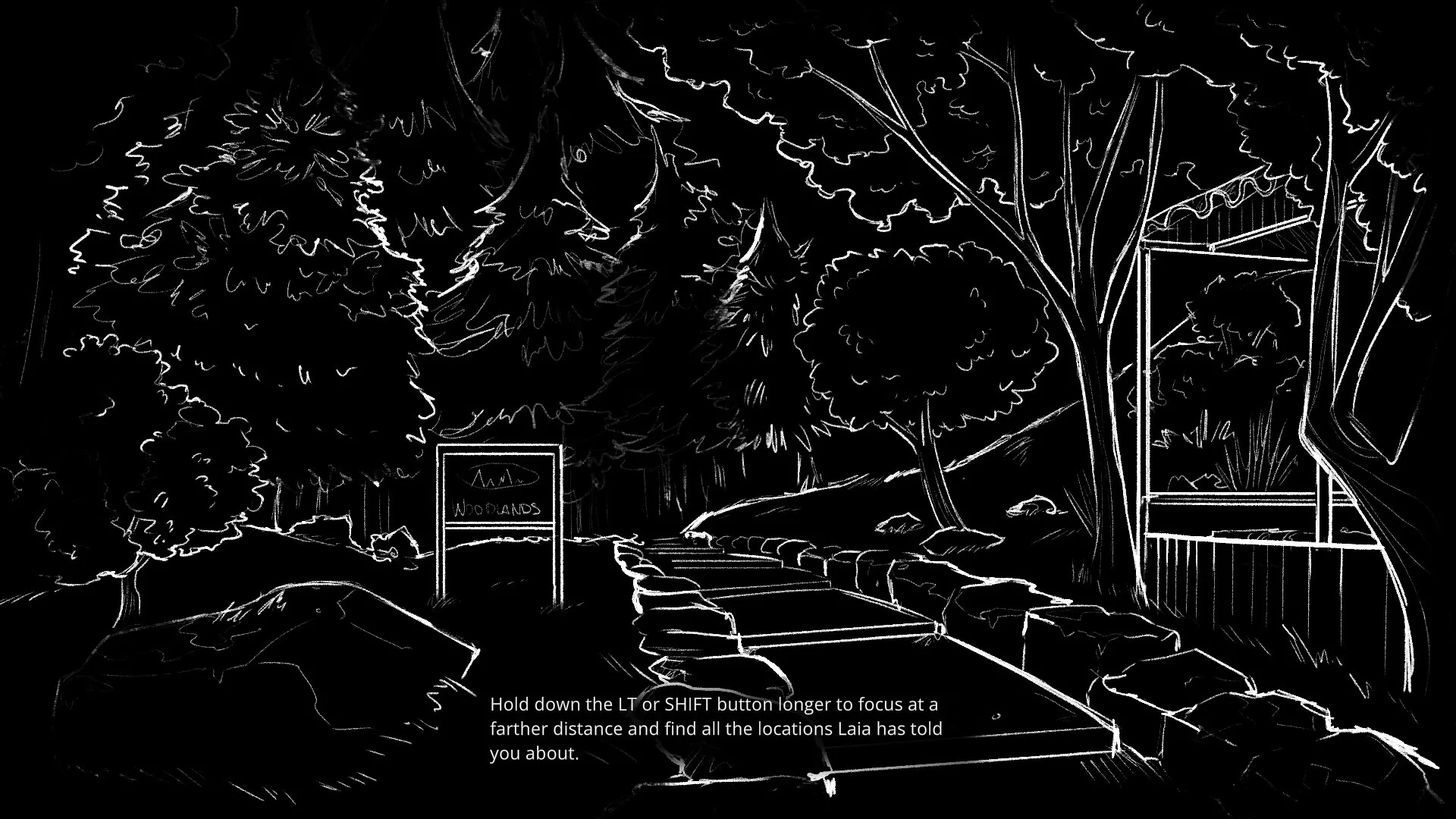
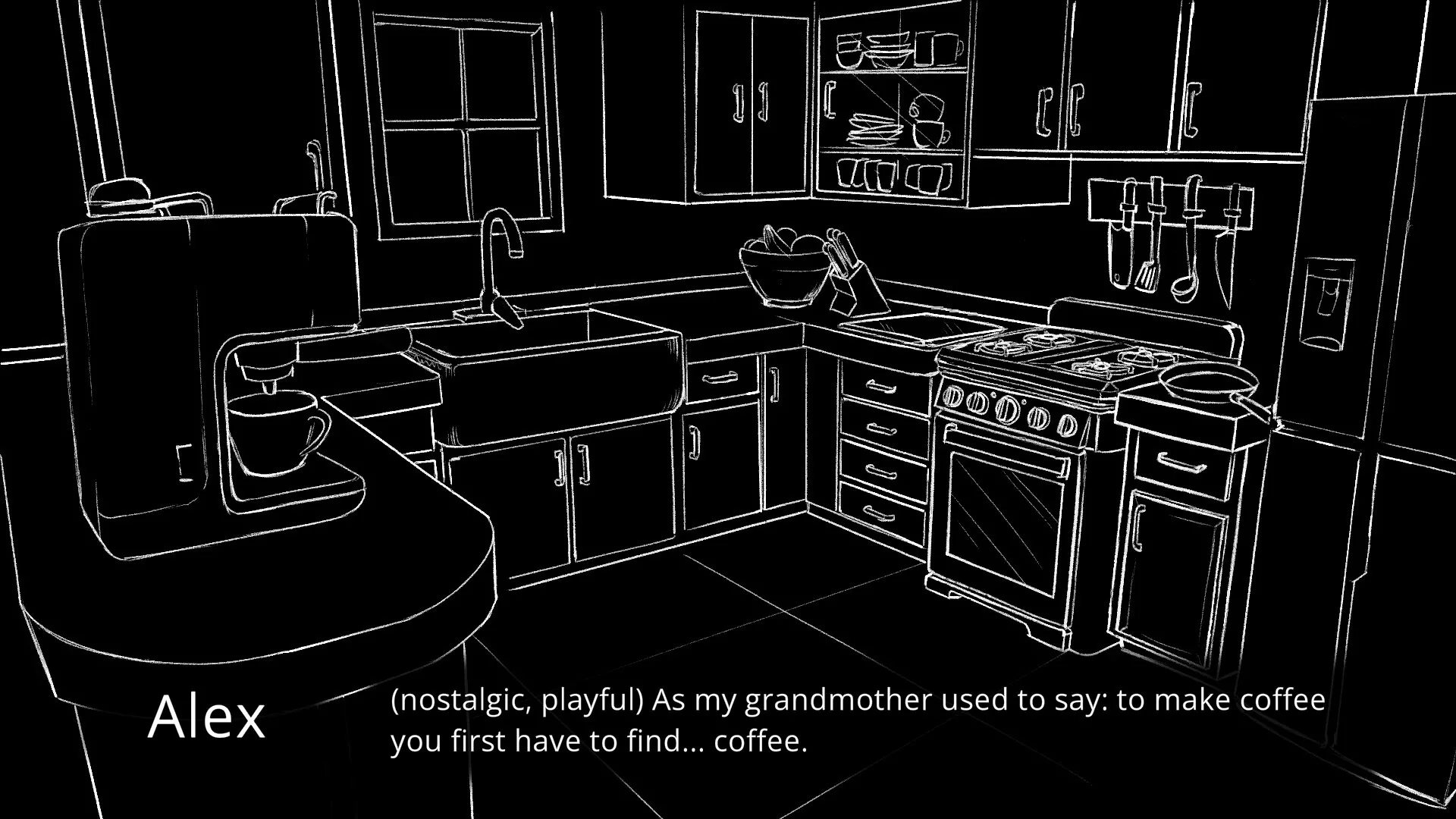
Alex can focus on objects at different distances, then store their locations in a sound-based memory system. Discovering a table, coffee machine, or another object gives players a positional reference point that helps build a mental map of each space.
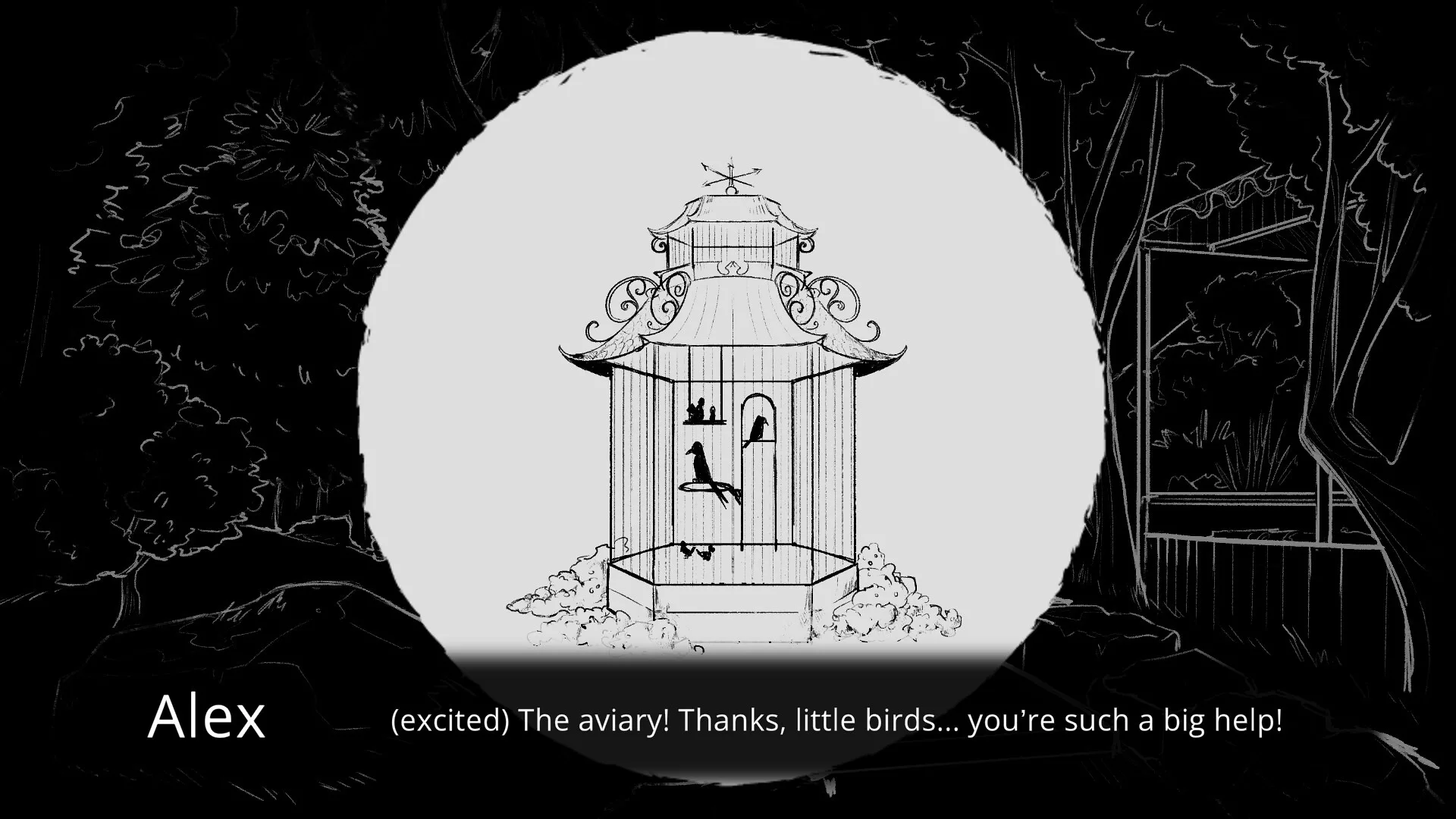
A bell serves as the game’s audio equivalent of an objective marker. It points players toward their next destination without placing a traditional visual marker on screen. Musical puzzles work in the opposite direction, asking players to locate sound sources and solve them to build melodies. Those melodies combine into the soundtrack tied to Alex’s different stages of life.
A world drawn with audio
The game’s soundscape is closely tied to its world design. Acoustic guitar represents Alex’s personality and conscious state, while piano accompanies more introspective and dreamlike moments. José Ramón “Bibiki” García created the game’s musical identity.
Nakama Studios also adjusted the 3D spaces to reduce frustration during movement. Broad walls and fewer strict collisions give players more room to move without catching on invisible obstacles. Professional voice actors provide the dialogue, with performances designed to carry emotion without overwhelming the rest of the soundscape.
Built with blind players
Traditional visual game-design habits did not always translate to Coloratura. The team had to rethink how movement, orientation, and object placement should work when a player cannot see what is behind them. Positional audio had to make rear-facing objects clear enough to prevent players from turning around and moving sideways simply to avoid losing their bearings.
Regular playtesting helped the developers adjust those systems, and blind players were involved throughout development. Sergio Vera, who is blind, helped test and improve spatial movement while sharing experiences that informed the story and its portrayal of blindness.
The goal is not to make a game exclusively for blind players. Coloratura is designed as an experience that people with and without visual impairments can play together on equal terms.
Coming to PS5
Coloratura will use the PS5’s 3D audio features as a central part of its design. It also includes a supporting interface with sketched illustrations and text for players with dyslexia or other needs.
The game is scheduled to launch on PS5 later in 2026. Players can find its current PlayStation Store listing through the Coloratura product page.
Will you try Coloratura with headphones, in darkness, or with its supporting interface? Tell us what you think in the comments, and follow us on X, Bluesky, YouTube, and Instagram.
Coloratura
Developed by Made Real Stories