Cities: Skylines II’s Free Update Will Add 4 Biomes and New City Tools on Dec. 2
Leisure tracking, refreshed roads, and changes to shopping, transit, and park maintenance are also coming to the base game alongside Park Adventures.

Cities: Skylines II‘s free base-game update is scheduled for December 2 alongside Park Adventures, bringing new building controls, four Asset Editor biomes, refreshed environments, and changes to shopping, transit, and performance. The City Corner #16 update preview also details new ways to track park visitors and maintenance. The developers had previously teased a sizeable December update alongside Park Adventures, without yet giving its release date or broader contents.
Park Adventures will bring its own park-district tools, while the leisure overhaul was already planned as a free base-game feature. The December 2 update pairs those leisure changes with a broader set of building and city-management additions.


Fences and surfaces get more placement options
New residential and industrial fences, hedges, and European and North American styles can be placed along roads, with adjustable spacing from the road edge. Locking a fence to the road lets it follow along as you build, while segments can join around corners, be mirrored, and, in most cases, take custom colors.
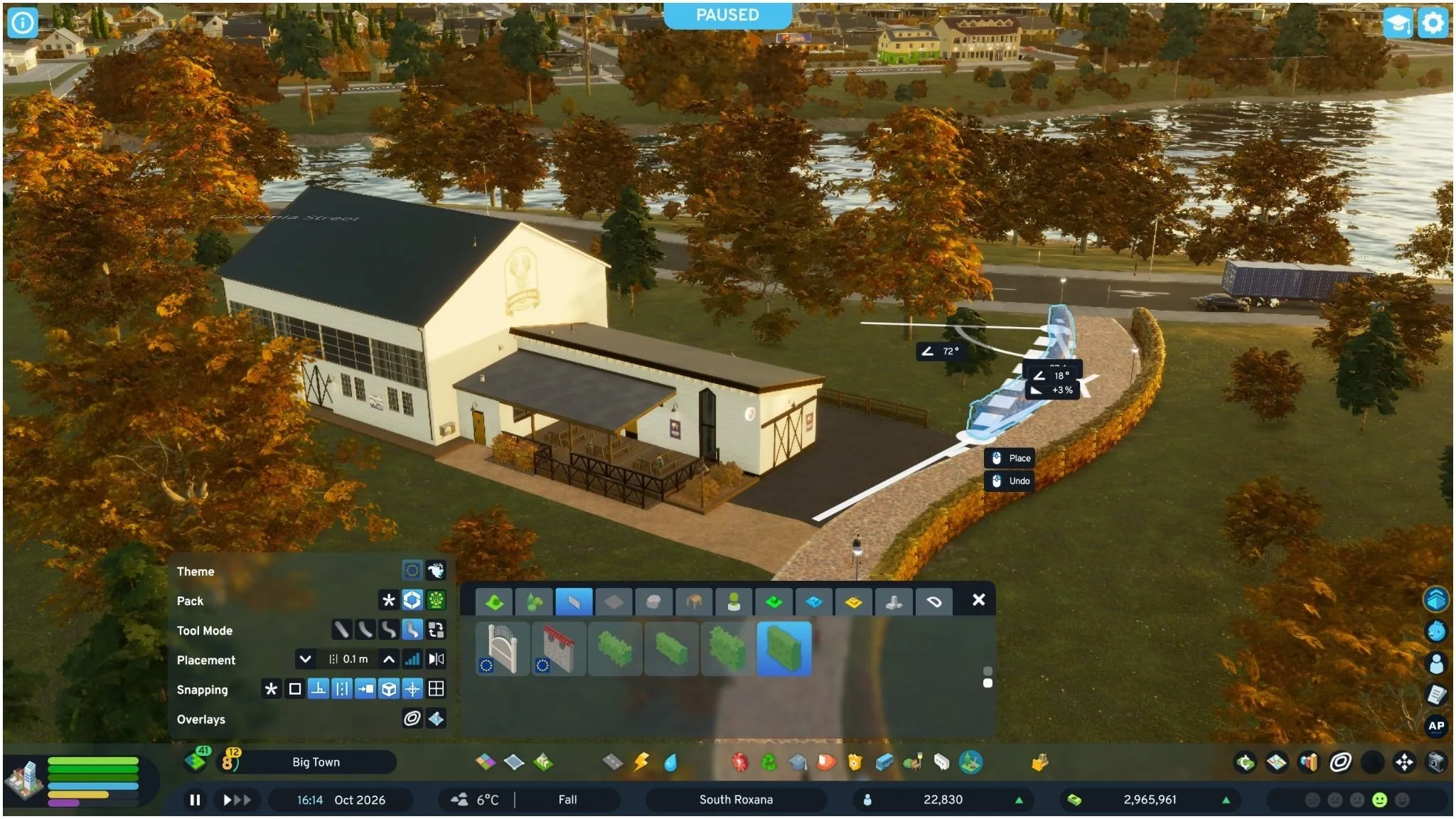
Placement tools will also let you change the side used for parallel copies and reverse directional roads. The Replace tool gains flip and reverse options, so adjusting existing infrastructure won’t require rebuilding it from scratch. New brick, concrete, dirt, stone, and woodchip surfaces can sit above or below lots, and players will be able to replace existing surfaces without drawing them again.
District controls get a refresh too. The Topography section becomes Overlays, with options to show or hide zones and districts while building, and to adjust whether district names, markers, and areas appear. An Edit button will also be available directly in a district’s information panel.
Park stats and new biomes add more detail
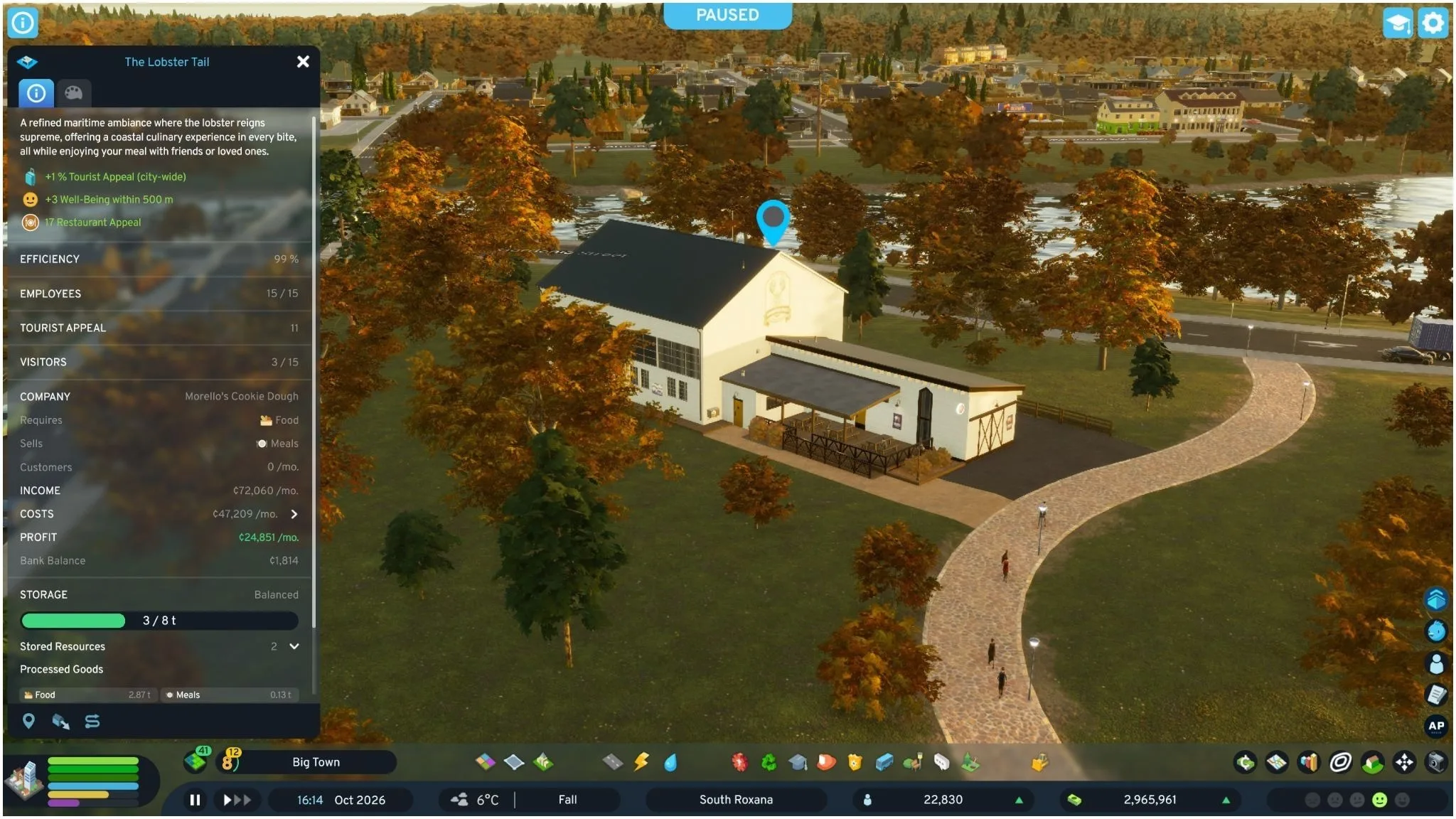
Leisure buildings, including shops and restaurants, will show visitor capacity and current attendance in their info panels, along with a Visitor Appeal value influenced by building efficiency. Three new alerts will flag parks with no visitors, overcrowding, or maintenance needs. New Leisure Appeal and Commercial Leisure infoviews, plus leisure information in the Economy view, will give players more ways to spot trouble.
Activity Diverts will give props such as benches activity locations. A citizen traveling elsewhere may stop at one before continuing to their original destination, adding another visible use for city spaces.
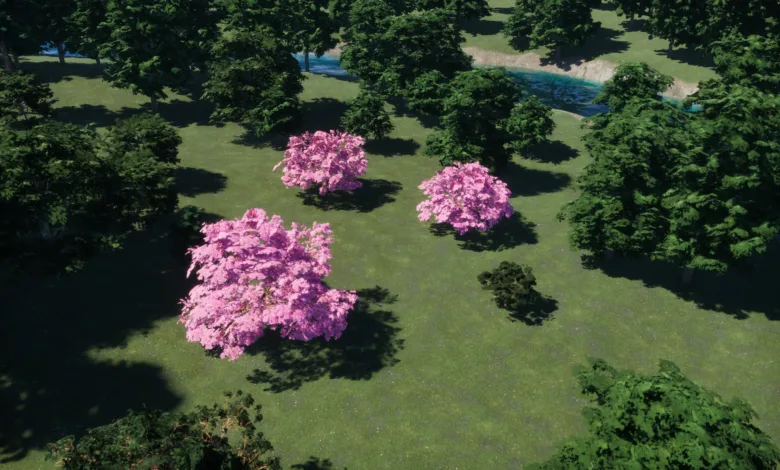
The Asset Editor will gain Alpine, Arid, Mediterranean, and Tropical biomes. New trees and plants include bamboo, cherry blossoms, olive trees, and saguaro cacti. Placeable campsite props will include fireplaces, shelters, firewood piles, and park signs.
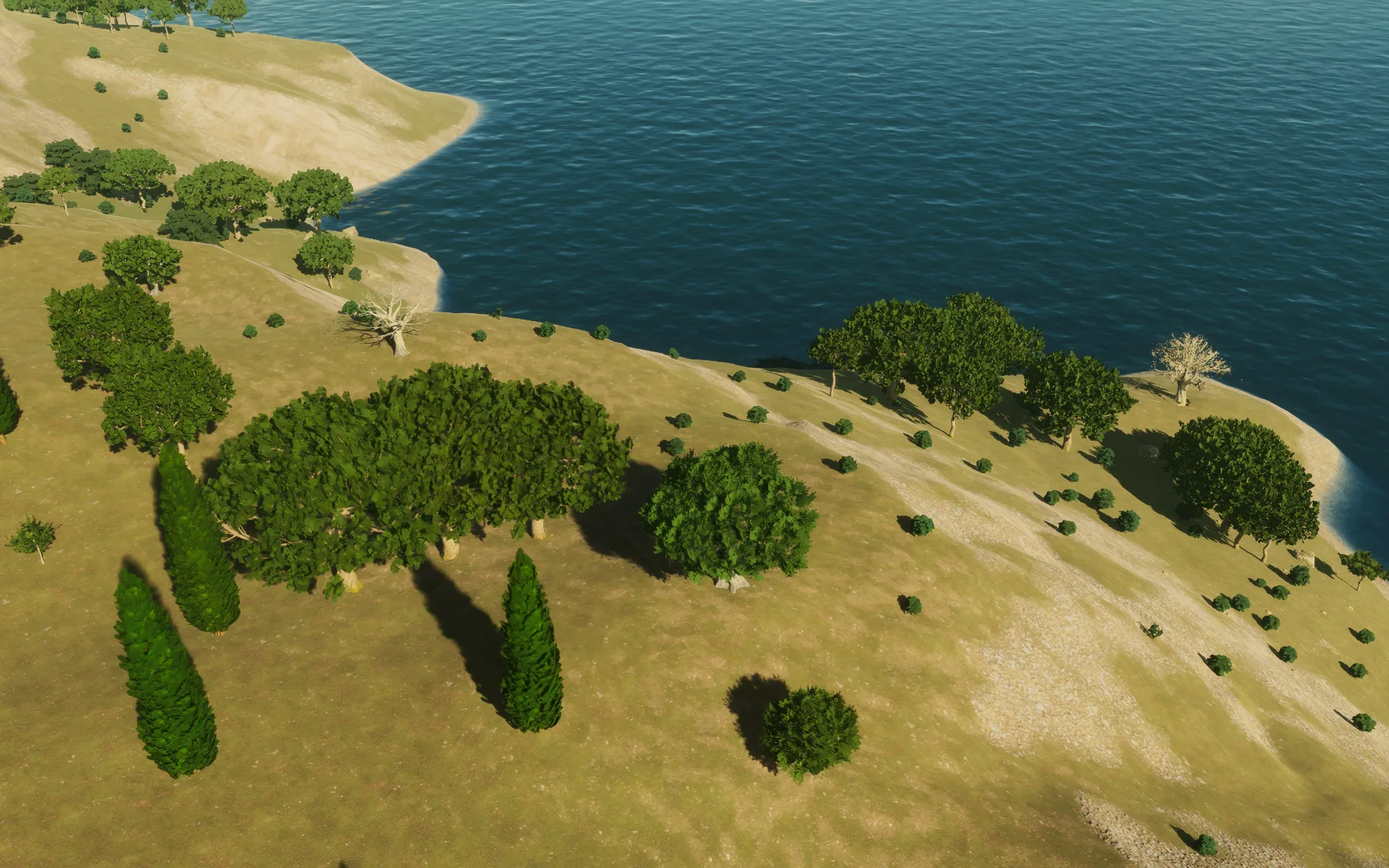
Roads, sidewalks, medians, parking areas, tram tracks, gravel roads, and bike paths will get refreshed textures and meshes. The update will also add procedural terrain texturing along roads, pathways, and railway tracks, with a Roadside Dirt Visuals setting for players who want to turn that effect off. Trees will have age options for placement, including randomized ages and a Dead option, alongside improvements to distant tree visuals. District borders, fills, labels, and nodes will also be easier to see at different zoom levels.
City management and performance changes reach beyond parks
Large-city commercial demand will be corrected, addressing a problem that led households to spend more on office goods instead of shop goods. Shops will share customers more evenly to reduce customer-shortage alerts, and online shopping will perform better in larger cities. Public transport lines will be able to run with just one vehicle, and lines with only a few vehicles won’t have them waiting at stops for unnecessarily long periods to even out spacing.
The Parks & Recreation development tab will unlock at Milestone 2 instead of Milestone 4. Park maintenance will affect building efficiency rather than directly changing attractiveness and coverage, and parks will keep full efficiency while maintenance remains high enough. Maintenance depots can be assigned to specific districts, their vehicles will stay on roads, and Parks & Recreation buildings will accumulate less crime.
Building info panels will make capacity and key values clearer, with upkeep details collapsed by default. The existing Attractiveness label will become Tourist Appeal, while policy tooltips will show their actual effects and values. District policies will have a separate tab in the district info panel, and pathways, bike paths, piers, and quays will move from Landscaping to Roads.
On the technical side, base-game buildings will get improved level-of-detail models, and district drawing and rendering performance will be improved alongside work to address memory leaks. The default upscaler will change from XeSS 3 to FSR 3, and FSR 4 support will return after fixes to issues found during the Open Beta. The Asset Editor will also gain tree-age controls, color choices for placed objects, and its own color palettes.
Other fixes cover citizens taking long detours to post mail, save thumbnails, autosaving, crashes in large cities, mid-trip clothing changes, and pathways bending unexpectedly where they meet roads. Which addition would make the biggest difference to the way you build? For more on the new tools and leisure systems, stay connected on X, Bluesky, YouTube, Instagram, Steam, Telegram, and Facebook.
Cities: Skylines II
Developed by Colossal Order, Iceflake Studios

Create and manage your own city without restrictions. Offering a deep simulation and a living economy, Cities: Skylines II will challenge your decision-making skills and allow you to build the cities of your dreams. Get ready for a new epic scale in the most realistic city builder - ever.
- Genre Simulator, Strategy
- Platforms Xbox Series X|S, PC (Microsoft Windows), PlayStation 5
- Perspective Bird view / Isometric
- Modes Single player
- Release October 24, 2023
- Publisher Paradox Interactive
-
Age Rating