Call of Duty Reports About 40% Less Harmful Voice Chat Exposure
Its six-month comparison also records roughly 50% fewer disruptive offenders and 16% fewer repeat offenders across Black Ops 7 and Warzone.


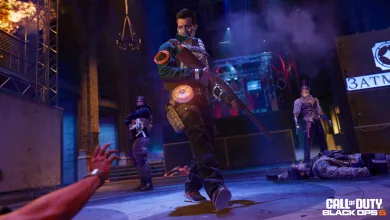
Call of Duty’s latest trust report puts numbers behind its moderation work. Activision’s September 2026 Player Trust & Positive Play report says a six-month comparison involving Black Ops 7 and Call of Duty: Warzone found about 40% less player exposure to harmful voice chat than comparable Black Ops 6 and Warzone periods.
The same comparison recorded roughly 50% fewer disruptive voice offenders and a 16% reduction in repeat offenders. Activision connected the results to continued investment in proactive moderation and systems that detect, review, and enforce Code of Conduct violations.

Lower voice disruption is the first measured result
Fewer disruptive interactions should give squads more room to coordinate without voice chat becoming another problem to manage. Activision said its teams are still reviewing enforcement outcomes and refining how they respond as player behavior changes.
The work also includes research on how disruptive interactions appear during live matches. A recent collaboration with Caltech studied player behavior at scale, with findings intended to inform future improvements. Activision has published more information through its research site.
Positive Play connects voice chat with teamwork
Moderation is only one part of the plan. Activision uses Positive Play to describe actions that help teammates or the wider community, including supportive communication, revives and buybacks, thanks after assistance, shared resources, enemy and point-of-interest callouts, and reports of harmful behavior through voice or text chat.
A Modulate case study on Warzone found that about 22% of players encountered at least one supportive voice interaction, while roughly 6% initiated one. Around 66% of matches with prosocial voice interactions also included a cooperative action such as a revive or a thank-you.
Separate analysis in select Warzone modes found that receiving thanks from a random teammate was associated with those players continuing to play together in the next match. The finding does not establish that a single thank-you caused the next game, but it points to a connection between positive communication and teams sticking together.
Activision said it will continue improving moderation, measuring positive interactions, and using research to guide future work on multiplayer experiences. The stated goal is a competitive, fair, and fun Call of Duty environment with less disruption and more room for teamwork.
Have thanks, revives, or clear callouts ever changed whether you stayed with random teammates for another match? Follow us on X, Bluesky, YouTube, Instagram, Steam, and Telegram.