Star Wars Zero Company is at its best when it stops trying to be a straight XCOM 2 successor. Bit Reactor’s turn-based Star Wars tactics game delivers the expected cover, overwatch, dangerous hit chances, and soldiers who can die, but its squad conversations, team-ups, and quieter base moments give the campaign a more personal edge.
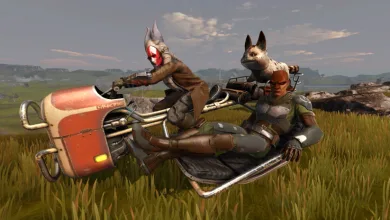
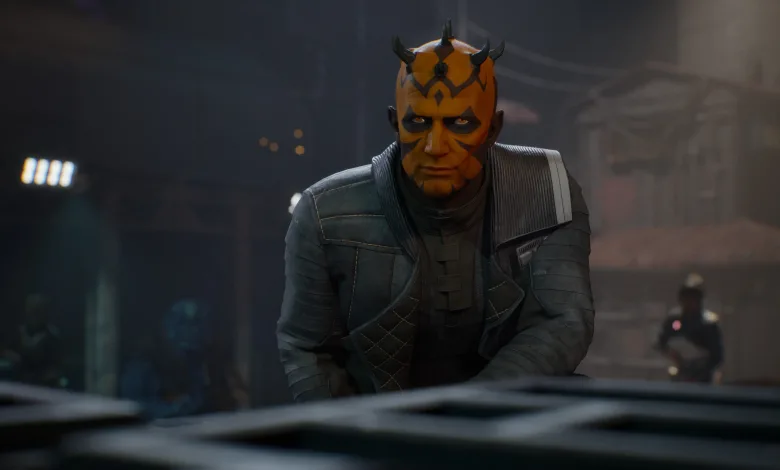
The campaign centers on Hawkes, an ex-clone trooper who formed the company and takes jobs from clients willing to pay. Hawkes can be customized with very different appearances and species, while the wider roster mixes authored characters with generated operatives. The system even allows for a squad made entirely of R2 droids, a wonderfully odd possibility that fits the setting.


The 18-cycle hands-on preview documented by PC Gamer’s report shows a game that can recreate XCOM’s best panic attacks while also exposing the risks of following Firaxis’ formula so closely. Bit Reactor’s connection to that series is direct: Greg Foertsch founded the studio after working as a Firaxis art director, and several Firaxis veterans joined him.
The XCOM formula still delivers panic
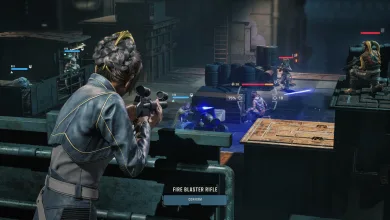
One battle in the preview began with the squad surrounded and badly outnumbered. Several shots carrying 80% to 90% hit chances failed in succession, leaving the team battered before the next player turn even began. Targets caught without cover can more often produce a reassuring 100% chance of success, but the situation still looked grim until Zero Company gave its soldiers enough tools to turn a disaster into a counterattack.
Clone companion Trick could trigger a free follow-up attack from another squadmate after firing on a Separatist. A grenade destroyed cover and opened a path through the enemy line, while the leader ability granted an extra action point to a stronger melee fighter. Another soldier used a taunt to pull four enemies into attacking him, then answered each incoming shot with a retaliation attack.
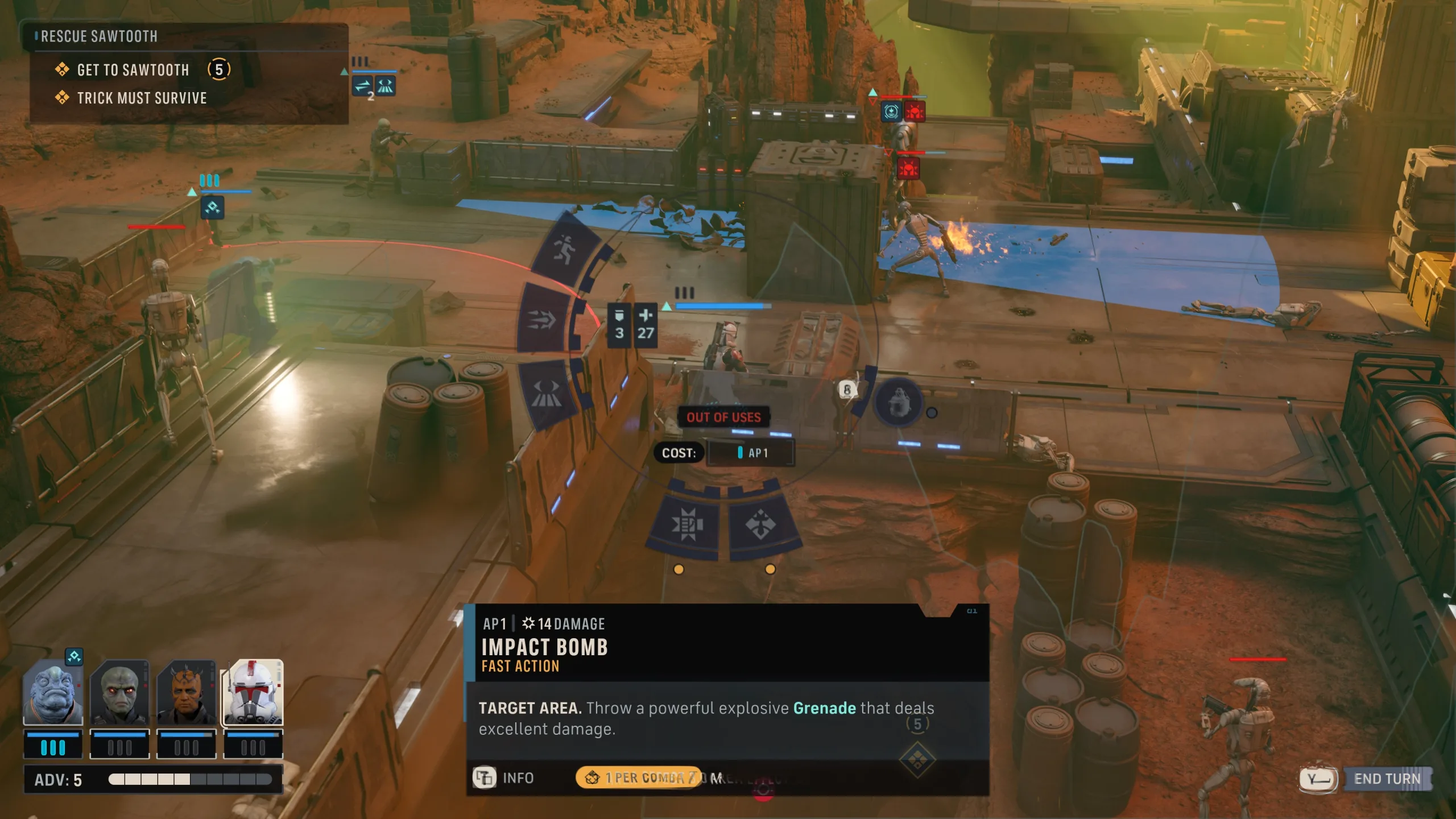
Those interactions give the battles more room for improvisation than a simple cover-and-shoot routine. Zero Company also replaces XCOM’s all-around overwatch with directional cones. The system is more restrictive, but it makes firing lanes and enemy entry points much easier to plan around.
The astromech class adds another layer to that squad puzzle. These droids support the group with extra action points, squad-wide bonuses, and self-healing rather than leading attacks from the front. Since only a handful of soldiers enter each mission, bringing an astromech can save a run while also costing the squad another weapon.
Small maps and fixed reinforcements weaken the tension
Not every part of the XCOM structure lands as well. Enemy reinforcements arrive from clearly marked areas instead of emerging through patrol routes or catching the squad through the fog of war. That makes the fights easier to read, but it also removes some of the uncertainty that gives tactical missions their bite.
The combat arenas also repeat a narrow visual pattern. Many are small, open spaces filled with crates, and the differences between their various settings can fade together after a while. Enemy variety is similarly restrained early on, with armed humanoids and armed droids making up most encounters. More unusual foes appear later, but the opening hours spend a lot of time with enemies who carry guns and not much else.
Clarity is another concern. Positioning can be difficult to judge, and the controls feel more comfortable with a gamepad than with a mouse and keyboard. That is an odd fit for a tactics game, where precise cursor control should be one of the main advantages of playing on PC.
Midnight Suns gives the squad a stronger identity
The freshest ideas come from Marvel’s Midnight Suns, a game Foertsch worked on during his time at Firaxis. Zero Company borrows its focus on camaraderie, pre-battle conversations, a base the squad can walk through, short sections of movement before missions, and team-up attacks during combat.
In the Den, Hawkes can walk around in third person, speak with squad members, inspect terminals, and even play an unusual alien guitar in the office before the camera shifts to the isometric battlefield. These quieter activities give the base more personality than a simple mission menu.
These features are not only decoration. Repeated deployments build bonds between squadmates, unlocking passive bonuses and new abilities when those relationships reach certain levels. The relationships built between missions feed back into the tactical layer, giving players a reason to keep dependable pairs together instead of constantly replacing team members. Even the shorter conversations and brief base scenes help the characters feel like a group instead of interchangeable units.
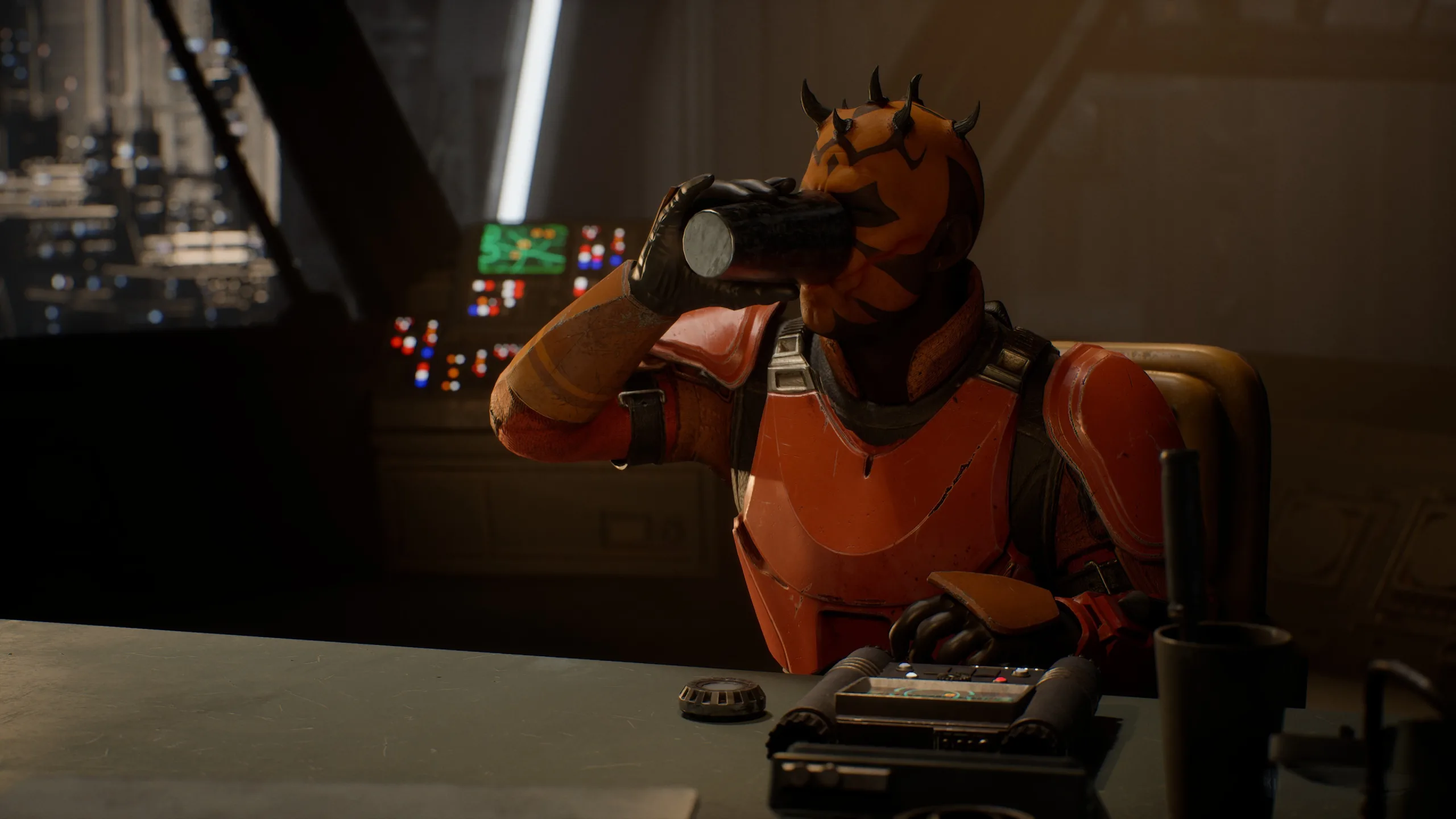
Zero Company does not push these ideas as far as Midnight Suns. The Den is smaller than the Abbey, its conversations are briefer, and the team-up attacks are more limited. Still, the cinematic presentation and light RPG touches give the campaign a sense of character that many tactics games lack.
The biggest difference is that Zero Company combines those relationships with real mortality. Even named, fully customized squad members can die, unlike the heroes in Midnight Suns. That makes every attachment more dangerous and gives a failed mission a heavier cost. Players who do not want permadeath can disable it.
Squad builds could carry the campaign
Character progression already looks like one of the game’s strongest systems. Different classes and weapons support very different builds, from a pistol-focused gunslinger built around critical hits to heavy soldiers who absorb punishment and return it with interest. Pistols are weaker but can fire more often, creating room for specialized setups rather than simply pushing every soldier toward the same best weapon.
Named characters can also bring abilities that fit Star Wars’ stranger corners. Kabb Uppercut, for example, can punch enemies off the map.
That flexibility helps Zero Company stand apart when the missions themselves become predictable. The combat may borrow heavily from XCOM 2, but the combination of squad bonuses, support droids, team-ups, and character deaths gives players reasons to care about who is standing in each position.
An early preview also offered only a limited look at how choices reshape the larger story. In the observed section of the presentation, dialogue paths branched briefly before returning to the same major outcome, leaving the long-term effect of those decisions unresolved.
At this early stage, Star Wars Zero Company looks more like a polished and enjoyable variation on familiar tactics than a game ready to take XCOM 2’s place. Its biggest strengths are the parts between firefights, where the crew gets room to develop and the Star Wars setting can show some personality. If the later campaign builds on those relationships and offers more varied battlefields and enemies, Bit Reactor’s game could become more than a safe descendant.
Will Star Wars Zero Company’s squad-focused systems be enough to win over tactics fans? Share your thoughts in the comments, and follow us on X, Bluesky, YouTube, Instagram, Steam, Telegram.
Star Wars Zero Company
Developed by Bit Reactor
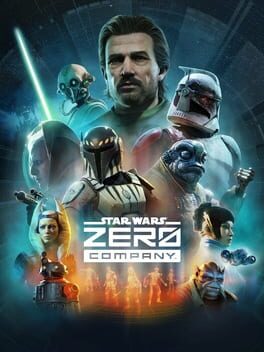
Command an elite squad through a gritty and authentic story in Star Wars Zero Company, a single-player turn-based tactics game.
- Genre Strategy, Turn-based strategy (TBS), Tactical
- Platforms Xbox Series X|S, PC (Microsoft Windows), PlayStation 5
- Perspective Bird view / Isometric
- Modes Single player
- Release August 27, 2026
- Publisher Electronic Arts
-
Age Rating