1666: Amsterdam will reach Early Access on August 25, but its rough edges are hard to ignore
Panache Digital Games has built a striking city full of witchcraft, possession, and flexible infiltration, yet the preview also showed basic combat and a boss fight that broke down.

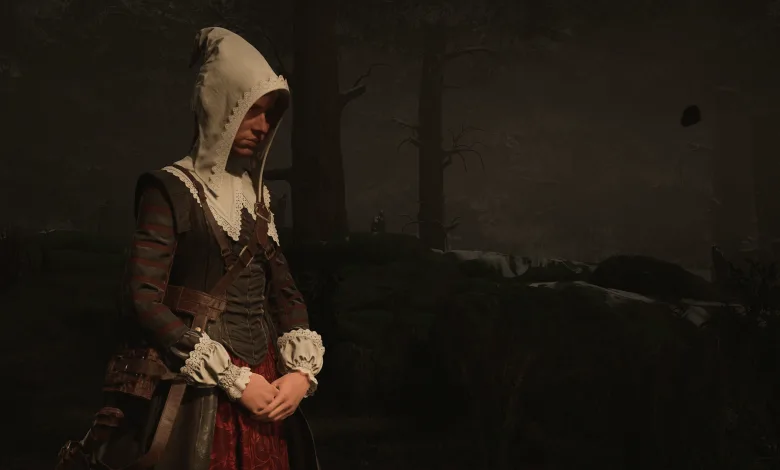
1666: Amsterdam will enter Early Access on Tuesday, August 25, 2025, giving players a chance to visit its dark version of 17th-century Amsterdam. The preview showed a huge city, clever ways to investigate its mysteries, and some wonderfully strange witchcraft. It also revealed combat that felt too simple and a boss encounter that completely fell apart.
The project is more than a decade old and comes from Patrice Désilets, the former Assassin’s Creed director and creative lead who later co-founded Panache Digital Games. Désilets fought Ubisoft for the rights to 1666: Amsterdam, and the Montreal indie studio has continued building the game around its unusual supernatural premise.


Désilets told PC Gamer in its preview that Panache produces between 15 and 20 builds each day while keeping the game playable. That approach puts experimentation ahead of polish, which is a sensible philosophy for a game with this many systems—but the Early Access launch is now very close.
1666: Amsterdam’s witchcraft starts with a broomstick
The preview follows Noa, a witch who gains a cat with the soul of a man named Aaron from the 1990s trapped inside it. The setup is wonderfully odd, even before a coven of witch hunters interrupts the story and sends Noa fleeing across the city.
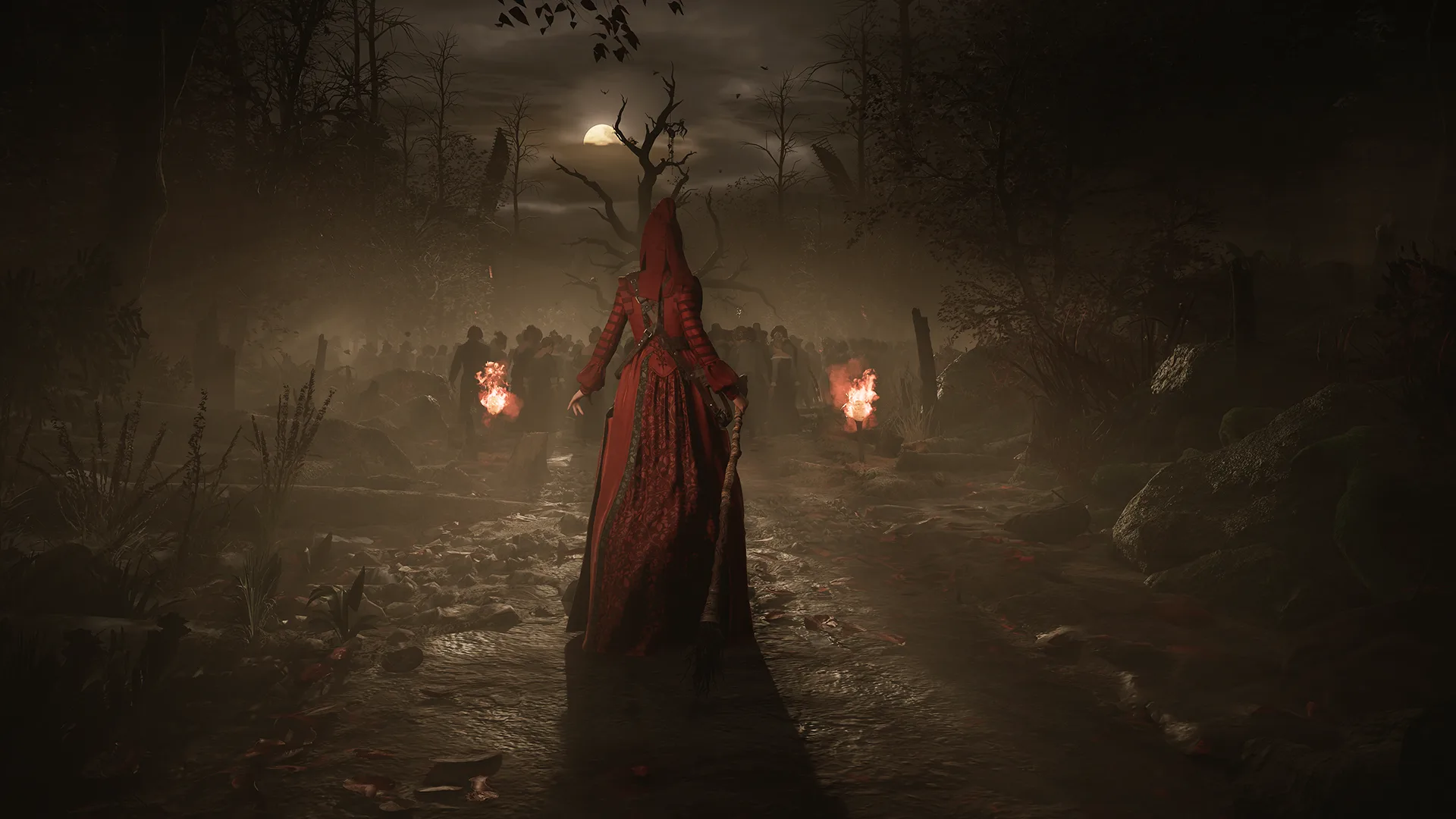
Flying above Amsterdam on a broomstick, with the cat by her side, made for one of the game’s strongest images. The streets below glow with oil-lit lamps, and the city has the kind of scale that suggests plenty of room for secrets. On the ground, however, the first hours appeared much less confident.
Noa’s days shape her nights
A gameplay trailer showed how Noa’s routine changes with the clock. During nighttime Esbats, she can use her witchcraft more freely while facing the mysterious Originals. Daylight shifts toward investigation, and those cases determine which characters she encounters and what she can craft for her nighttime activities.
Magic is not welcome in Amsterdam, so using it openly can turn the crowd against Noa. That gives the day-and-night cycle a practical tension: investigations can prepare Noa for the night, but careless spellcasting may make the city itself harder to navigate.
The first fights are the weak link
Noa can eventually use some wonderfully strange powers, including turning enemies into frogs and replacing their skeletons with jelly. Those abilities were not available during much of the playable combat shown in the preview. Instead, Noa mostly dodged attacks and hit human enemies with her broomstick.
A soldier carrying a pike added another attack pattern, but the encounters still offered little resistance. The preview build also had no difficulty settings, although Panache was considering adding them. For a supernatural action game built around player choice, the opening fights currently leave a fairly small impression.
A boss battle made matters worse. Noa was meant to track down an Original, force it into its demonic form, and fight it after discovering the seal behind its power. During the session, the creature only made it halfway through the transformation before wandering away, leaving the battle broken for the rest of the demonstration.
That bug may have been an isolated problem, but it was still the only direct look at one of the game’s boss fights. With August 25 approaching, even a rare failure like this is difficult to ignore.
Later abilities could give combat a needed lift
A hands-off look at later content showed a more interesting direction. After defeating Originals—or occasionally finding the right opportunity inside a house—Noa can choose one of three random abilities. Dying resets the abilities collected during that section, giving the game a light roguelite structure.
The possible powers include a shield made from vines, an attack that summons crows, and a form that turns Noa into a much tougher fighter. Those choices could make each section feel different and give players a reason to experiment with how they approach a fight.
Traversal benefits from the same system. Noa can use her powers to reach rooftops, glide across the city, and move through Amsterdam without constantly dealing with hostile people below. The problem is that the more interesting combat tools appeared later in the preview, while the playable opening was still built around basic brawling.
A cat may be Noa’s best infiltration tool
The investigation mechanics are more convincing. Originals keep their identities hidden, so Noa has to ask questions, search homes, and find a way into restricted buildings before she can confront them.
Her cat is central to those plans. It can frighten an NPC badly enough for Noa to possess them, letting her guide that person into a meeting or building where she would not normally be welcome. The cat can also distract guards and pull them away from their posts, opening another route through an area.
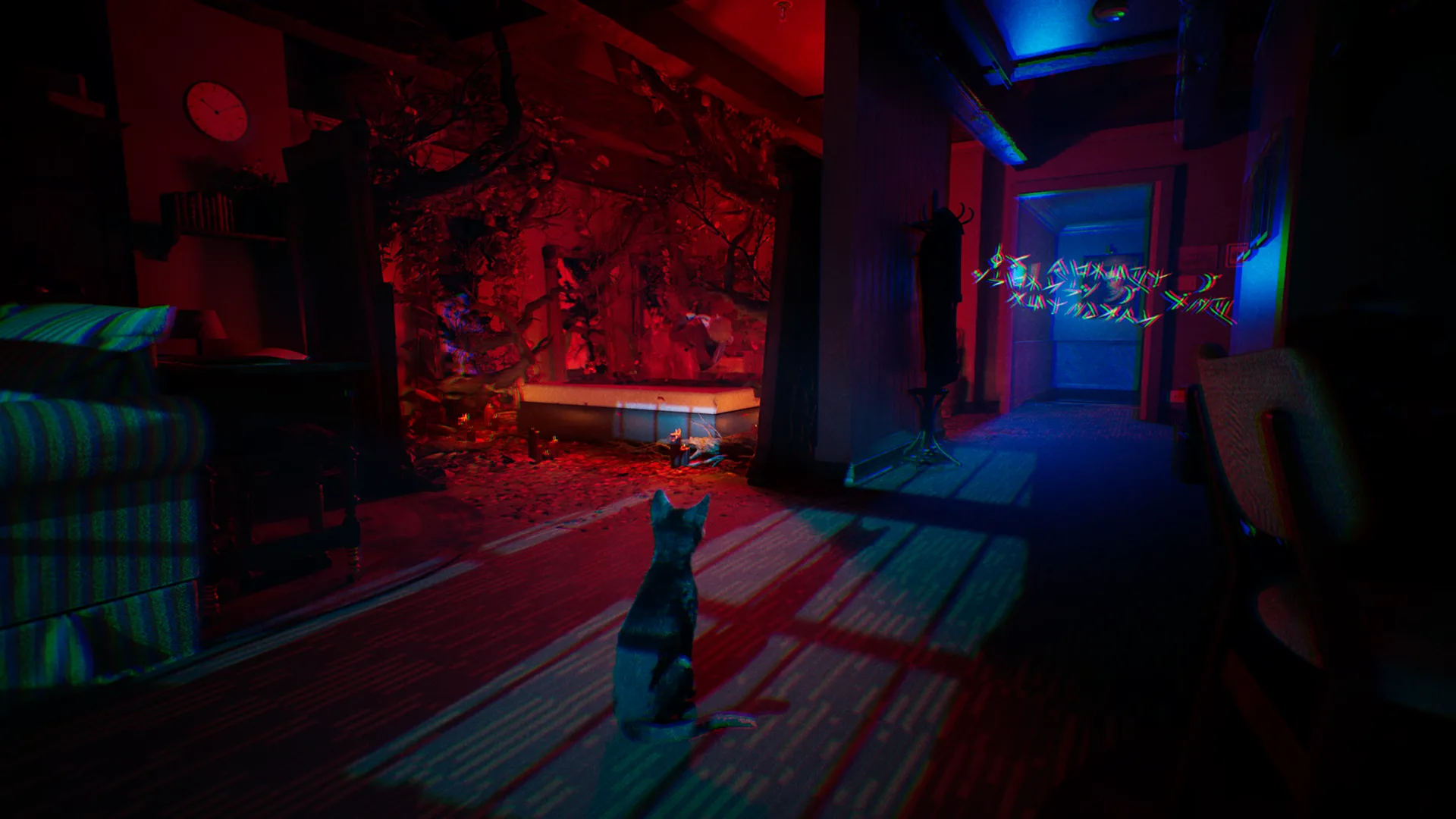
Panache is aiming for several solutions to each infiltration problem. Players may be able to force their way inside, use witchcraft, or rely on careful movement and timing. That flexibility gives the city more purpose than simply serving as a backdrop for fights.
Early Access will test whether the ideas can hold together
1666: Amsterdam has a compelling foundation. Its supernatural version of Amsterdam is visually striking, Noa’s cat creates unusual social possibilities, and the investigation systems appear to support more than one answer. Those are the kinds of ideas that can carry a game through a long Early Access period.
Still, the preview did not show enough polish in the opening combat, and the world sometimes felt bigger than it felt populated. The demo also showed rough voice acting and performance issues, while raising concerns about AI-generated artwork. The strongest abilities and most interesting encounters seemed to be waiting further ahead, while the playable section needed more variety and a smoother finish.
Panache may have time to address those problems as development continues, but August 25 is close enough that the first impression will matter. 1666: Amsterdam could grow into an unusual supernatural adventure, yet its Early Access launch may begin on shaky ground if the early combat and technical issues remain in place.
Share your thoughts on 1666: Amsterdam in the comments, and stay connected through X, Bluesky, YouTube, Instagram, Steam, and Telegram.
1666: Amsterdam
Developed by Panache Digital Games