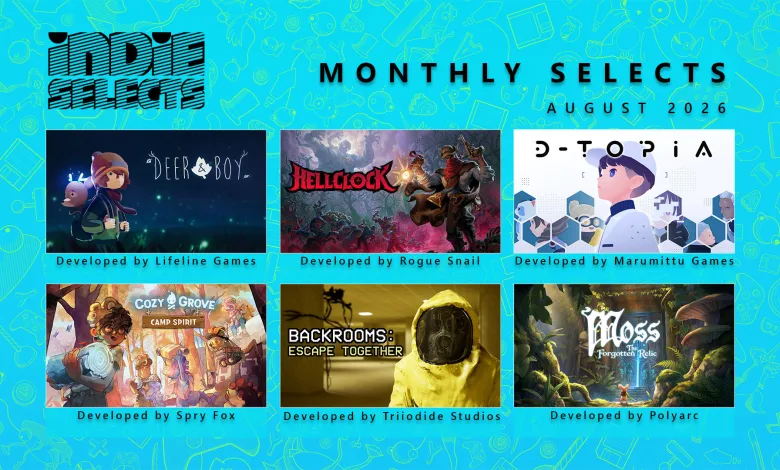
Xbox announced its August 2026 Indie Selects on August 5, bringing six games into its rotating showcase. The August 5 announcement covers a lineup that moves from quiet, wordless storytelling to claustrophobic multiplayer horror.
The Indie Selects program adds a fresh curated collection every Wednesday and cycles through four themed spotlights each week. August’s picks are available through the Xbox Store, with no ranking attached to the selection.

Deer & Boy
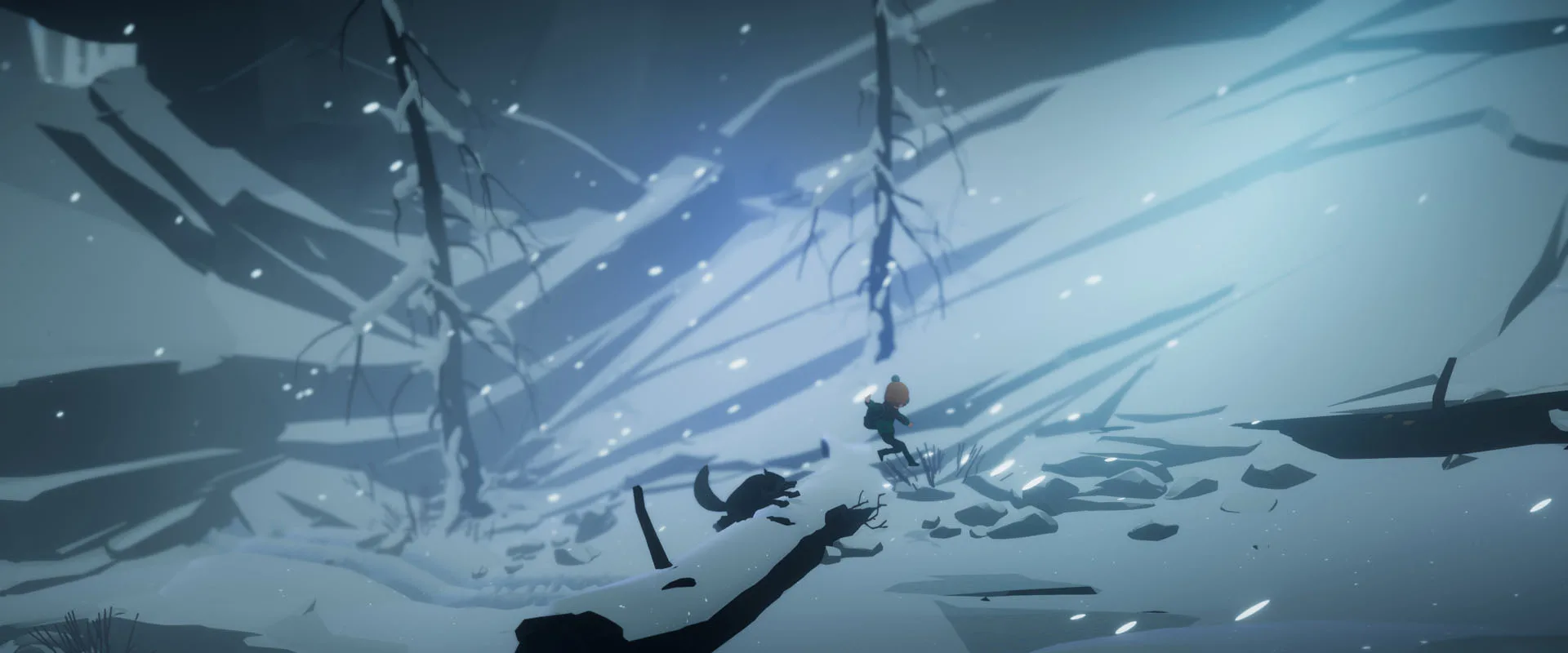
Deer & Boy is the most reflective game in the group. It tells its story without spoken dialogue, relying on animation, music, facial expressions, and the world itself to carry the emotional weight.
The game follows a runaway boy who forms a bond with a vulnerable fawn. As the fawn grows into a deer, the relationship changes with it. The boy begins as the protector, but the pair eventually rely on one another to cross obstacles and solve puzzles.
Its platforming and puzzles are designed around observation rather than lightning-fast reactions. That makes Deer & Boy a gentle choice for players who want a heartfelt adventure that takes its time. Themes of friendship, loss, healing, and hope sit beneath the quiet presentation, leaving plenty of room for players to read the characters’ emotions in their own way.
Hell Clock
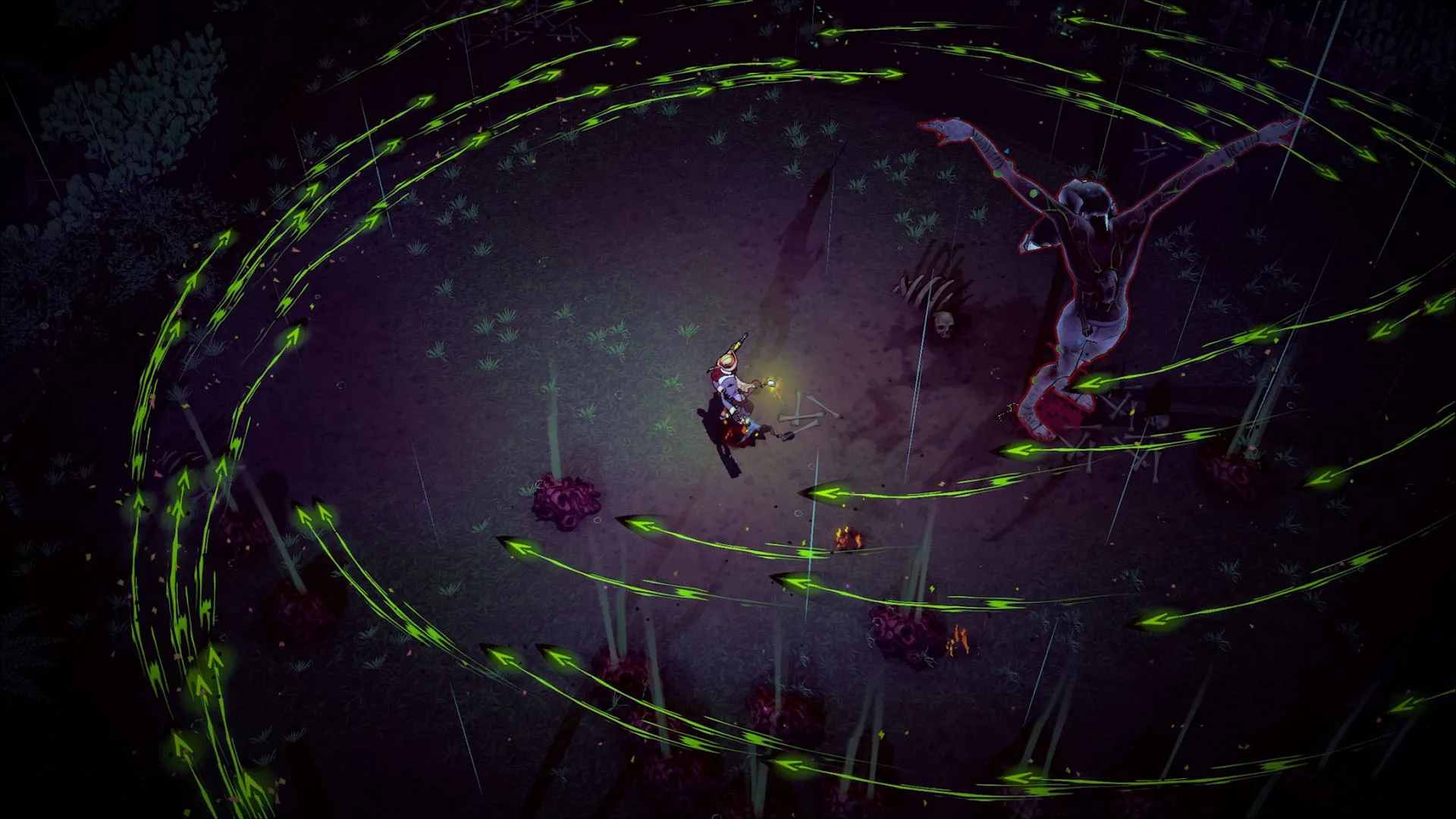
At the other end of the mood spectrum, Hell Clock is a roguelite action RPG built around Brazilian-inspired dark fantasy. Players take the role of Pajeú, a survivor of Canudos who descends into purgatory to save the soul of his mentor, The Counselor.
Every run begins with only seven in-game minutes to fight, collect loot, and make progress. A central hub provides lore and NPCs, while run-based upgrades and a deeper meta-progression system give players reasons to return after each attempt.
Rogue Snail also ties the fantasy setting to the historical War of Canudos. Its bosses and enemies reflect the conflict’s violence and exploitation rather than existing as random threats. That gives the frantic combat and damage numbers a story foundation beyond the usual demon-slaying routine.
D-topia
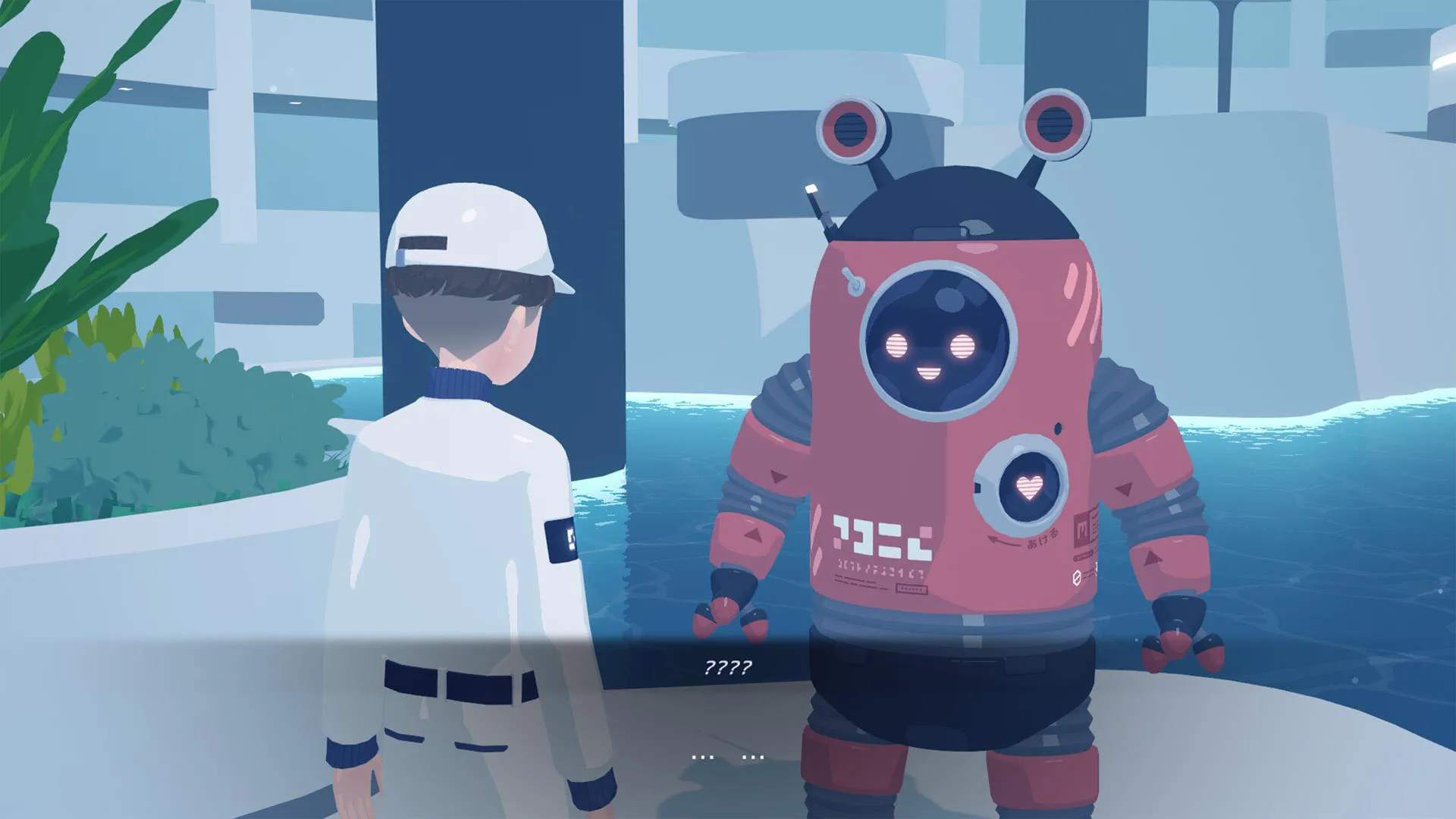
D-topia presents a much calmer setting, though its central question is less comfortable. The game takes place in a society where artificial intelligence has arranged daily life around human happiness. Robots handle difficult work, the weather stays pleasant, and the community appears to have removed every inconvenience.
Players become a newly appointed Facilitator. That job involves repairing machinery, solving logic puzzles, and helping residents with problems the city’s technology cannot fix. The tasks are connected to the world instead of being isolated challenges, giving players a gradual look at how the supposedly perfect society functions.
Annapurna Interactive’s game uses that peaceful setting to examine freedom, individuality, and the cost of removing every rough edge from life. D-topia is listed at $19.99 and supports Xbox Play Anywhere.
Cozy Grove: Camp Spirit
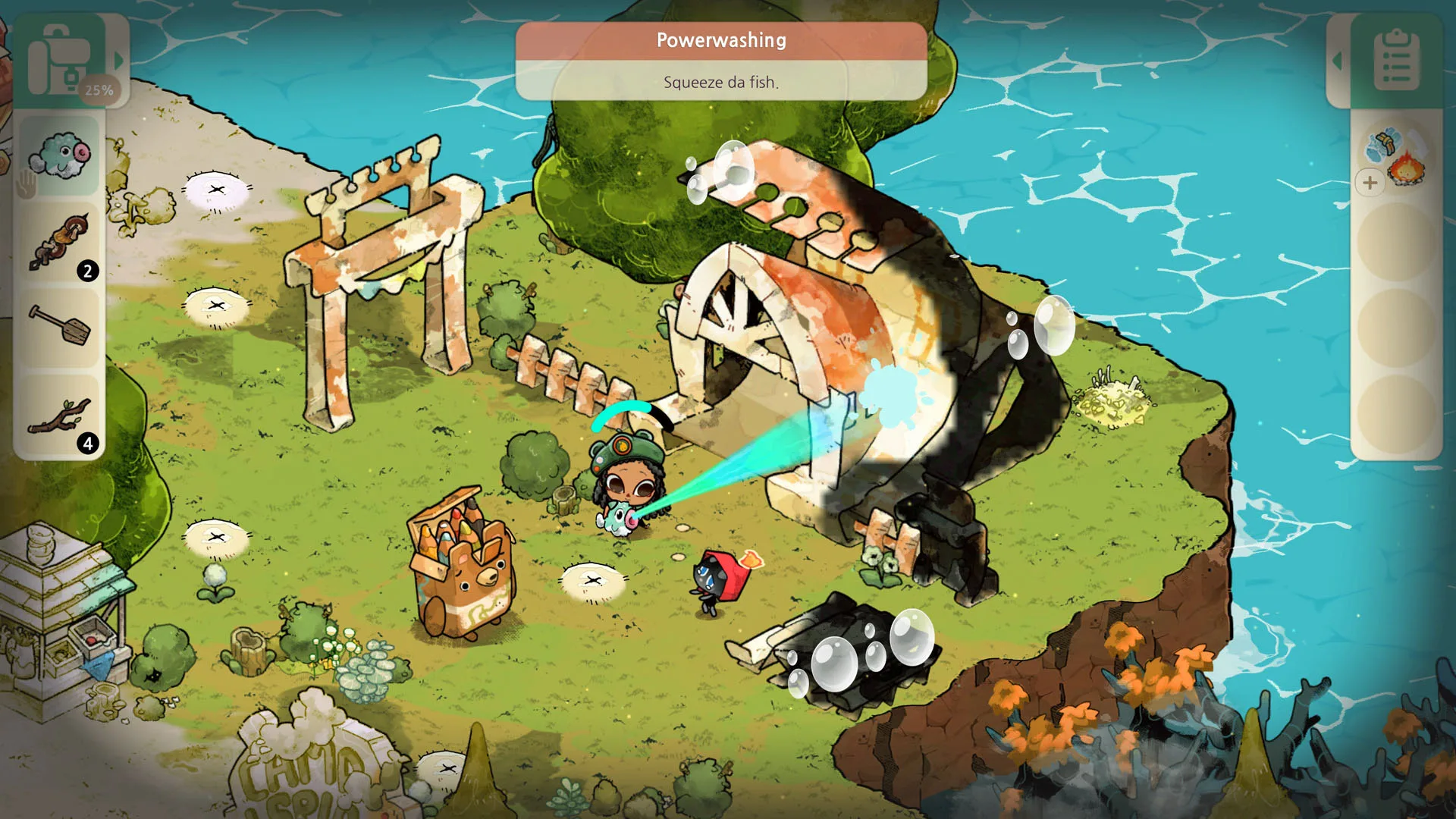
Cozy Grove: Camp Spirit turns a bus crash into the beginning of a very unusual camping trip. Players end up on a mysterious island populated by ghostly spirit bears who need help remembering their past and finding peace.
The real-world-time system makes the game work well as a daily routine. Quests arrive in manageable batches instead of demanding a long session, while the island slowly fills with stories and activities. The spirit bears are not simple background characters either. Their personalities can be funny, difficult, and unexpectedly sad, with connections between their stories becoming clearer over time.
The Quantum Astrophysicists Guild’s life sim is listed at $19.99 and supports Xbox Play Anywhere. It is the pick for players who want a low-pressure adventure with a steady stream of small tasks and character-focused writing.
Backrooms: Escape Together
Backrooms: Escape Together brings six-player cooperation into a series of fluorescent-lit office mazes. It can be played alone or with a group of up to six, and each run sends players through procedurally generated spaces filled with unsettling creatures.
The setup is simple. An elevator malfunction strands the group in the Backrooms, and the path out leads farther into the maze. Limited inventory space, cooperative puzzles, and proximity voice chat make communication a major part of survival. Teammates can lose track of one another as voices fade through walls, which creates plenty of room for both panic and accidental comedy.
Dynamic creatures add another layer to each encounter. Players need to manage resources, move carefully, and decide when splitting up is worth the risk. It is a natural fit for groups that enjoy horror games where the funniest moments usually happen seconds before someone gets chased down a hallway.
Moss: The Forgotten Relic
Moss: The Forgotten Relic brings a storybook adventure to the August collection. It draws from the VR titles Moss and Moss: Book II, reworking their ideas into a traditional adventure built around both action and puzzle-solving.
Players control Quill, a young mouse who handles combat and platforming, while the Reader acts as a magical presence within the world. The Reader can move objects, alter the environment, and briefly restrain enemies. Some of the best challenges require both characters to work together during a fight rather than taking turns solving problems.
Diorama-like environments, an orchestral score, and warm narration give the game the feeling of a fantasy tale being read aloud. Its approachable design works for younger players, while the story and presentation also give older audiences plenty to enjoy.
August’s selection covers a surprisingly wide range of moods. Players can spend a few minutes helping a ghost bear, race a clock through purgatory, get lost with friends in the Backrooms, or settle in for a quieter story about companionship.
Which of these six games caught your attention? Share your thoughts in the comments, and follow us on X, Bluesky, YouTube, and Instagram.

