YouTube viewers overwhelmingly dislike Nvidia’s DLSS 5 trailer, with main clip sits at about 16% positive
The official GeForce reveal and five short demos have far more dislikes than likes, with the main 70‑second trailer showing roughly 16,107 likes versus 82,515 dislikes.

Nvidia’s DLSS 5 reveal has drawn a sustained negative reaction on YouTube, with the main GeForce trailer recording only about 16% positive reactions from viewers.
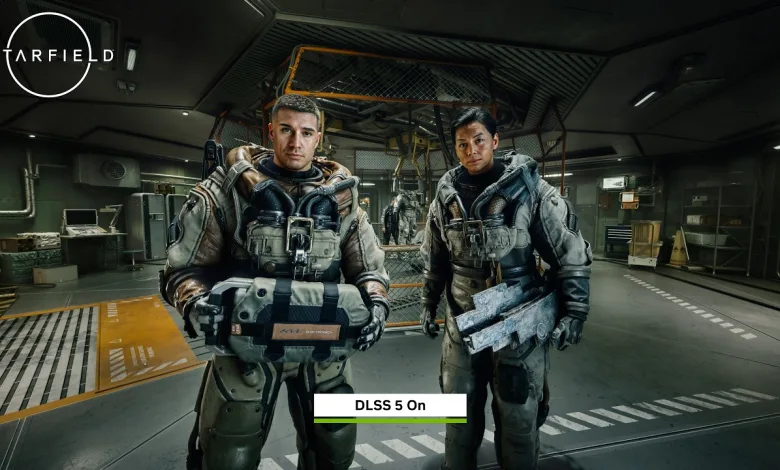
The company announced DLSS 5 on March 16, 2026, pitching the feature as a leap forward in real‑time neural rendering that adds “photoreal lighting and materials” to supported games. The 70‑second official reveal compares before‑and‑after shots from titles such as Resident Evil Requiem, Hogwarts Legacy, Starfield and EA Sports FC. The clip has been watched more than 1 million times, but of the roughly 98,600 combined likes and dislikes, only about 16,107 were likes while approximately 82,515 were dislikes.

Shorter demo clips Nvidia published showing DLSS 5 on individual games have seen similarly one‑sided feedback. The following figures were recorded at the time of reporting:
- Official reveal trailer – 16% positive
- Resident Evil Requiem – 14% positive
- Starfield – 18% positive
- Hogwarts Legacy – 19% positive
- EA Sports FC – 15% positive
- Zorah Unreal Tech Demo – 37% positive
For reference, here is the official trailer link:
Players have expressed concern that DLSS 5 applies a generative AI‑style filter that alters a game’s original look. Nvidia responded to viewers by pinning a comment on the reveal trailer, saying the technology is “not a filter” and that “game developers have full, detailed artistic control over DLSS 5’s effects” with options such as intensity, color grading and masking to exclude areas where the effect shouldn’t apply. The company added that DLSS 5 uses a game’s color and motion vectors for each frame, anchoring output to the source 3D content; that pinned comment appears on the reveal trailer page linked above.
Public reaction on YouTube was followed by further statements from Nvidia leadership, who pushed back against criticism from some players. The intensity of the response shows how sensitive many players are to automated visual changes to familiar games. The like/dislike ratios don’t tell the whole story about technical merit or developer control, but they do offer a clear snapshot of current sentiment among viewers who chose to react to Nvidia’s videos.
Tell us what you think in the comments, and join the conversation by following us on X, Bluesky, YouTube, Instagram.