How Slay the Spire 2’s Godot rebuild traces back to Unity’s 2023 fee debacle
Mega Crit moved the sequel from Unity to the open-source Godot engine after Unity proposed a runtime install fee in 2023, and Slay the Spire 2 sold more than three million copies in its first week of Early Access.

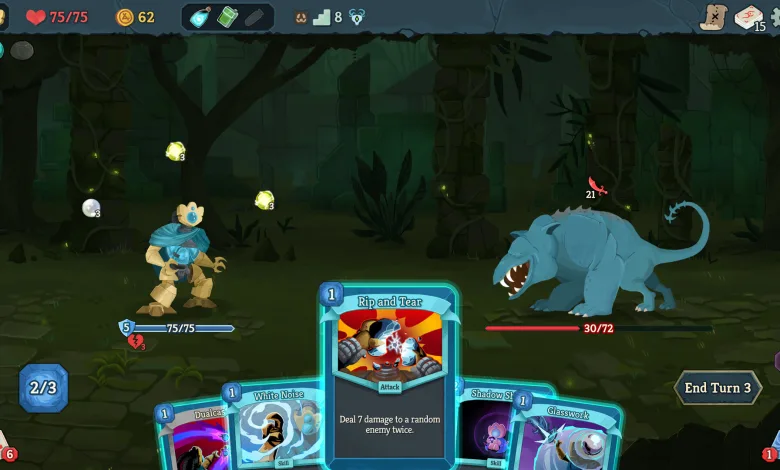
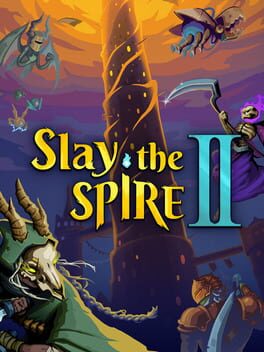
Slay the Spire 2’s engine choice turned into an industry footnote that now looks consequential. Mega Crit rebuilt the sequel in the open-source Godot engine after the 2023 dispute over Unity’s proposed install/runtime fees, and that gamble paid off: the game launched into Steam Early Access on March 5, 2026 and sold more than three million copies in its first week.
The switch wasn’t a casual decision. Mega Crit had spent roughly two years developing the project in Unity, then publicly warned the engine maker that it would migrate if Unity’s policy changes weren’t fully reversed and terms-of-service protections were added.

The background is straightforward. In Autumn 2023 Unity proposed a flat per-install fee applied retroactively and layered in a “runtime fee” tied to installs and revenue thresholds. Developers reacted angrily and publicly. The backlash forced Unity into a partial reversal, and then-CEO John Riccitiello stepped down from multiple leadership roles.
Mega Crit’s response was to run an internal engine test during a three-week jam that produced a small prototype called Dancing Duellists. That experiment led the studio to complete a port of the sequel to Godot. Dancing Duellists is available for free on Windows, macOS and Linux from Mega Crit’s itch page, and Mega Crit asked fans who want to support Godot to consider donations to the engine’s development fund.
The move underscored how quickly trust can evaporate. Unity remained widely used, and its current CEO Matthew Bromberg has worked to steady the company since, but several studios chose to leave the engine permanently during and after the controversy. Mega Crit’s success with the sequel is a clear example of a team shipping a major hit without Unity.
Slay the Spire 2’s Early Access debut also sparked massive player numbers. The sequel reached enormous concurrent peaks during launch weekend and has drawn intense attention since the March 5 release. For details on the launch peaks see the report that tracked its 526,793 concurrent-player high here, and an overview of the Early Access rollout is available here.
Choosing Godot also reflects practical trade-offs. Godot is distributed under the MIT license and carries no per-install runtime fees, which removes the sort of business risk Unity’s proposal introduced. For an indie studio weighing long-term costs and legal exposure, that difference mattered enough for Mega Crit to change course mid-development.
Whether other teams follow suit depends on project size, tooling needs, and platform targets. For now, Mega Crit has demonstrated that a major PC release can be built and launched with Godot while still attracting a huge audience.
Tell us what you think in the comments, and follow us on X, Bluesky, YouTube, Instagram for more updates.
Slay the Spire II
Developed by Mega Crit Games