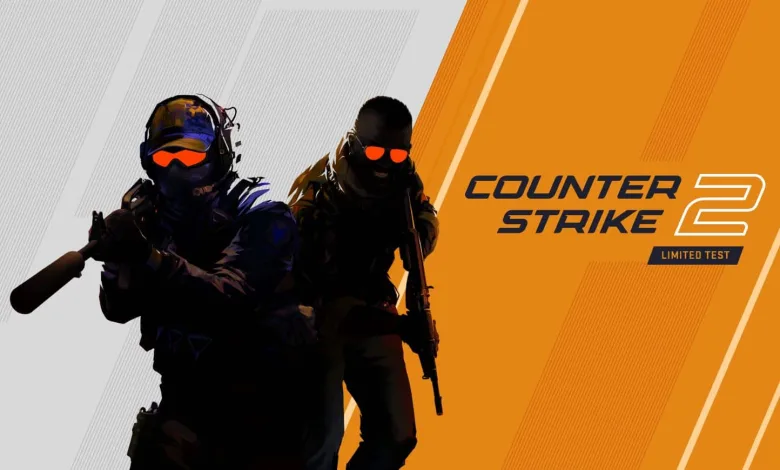
Counter-Strike 2’s skin economy lurched into freefall after Valve’s October 23 update. A single change to the Trade Up Contract system, allowing five Covert skins to be traded up into knives or gloves, flooded high-end supply, and, within days, is reported to have pared the market cap from about $6 billion to roughly $3.6 billion.
The mechanics are simple and brutal. Knives and gloves that once arrived via rare case openings or purchases on the Steam marketplace can now be crafted directly, increasing supply immediately. That supply shock didn’t just nudge prices. It attacked the market’s foundation: confidence. For more than a decade, traders treated CS skins as semi-stable digital assets because Valve rarely upended the rarity rules overnight. This change demonstrates Valve can unilaterally rewrite those rules, and a lot of people with big inventories are liquidating rather than waiting to see what comes next.


There’s a debate online about winners and losers. Casual players with a handful of skins might think they just scored a small windfall in relative value, while collectors and speculators are staring at evaporated paper wealth. The more important effect is less financial and more psychological: when market participants stop trusting that item rarities will hold, trading volume and speculative interest can dry up fast.
Former YouTube exec Ryan Wyatt summed up one common reading: Valve may have been willing to accept large short-term market losses to pull trading back onto the Steam marketplace and recapture revenue. His thread about the move is available on X below.
My tl;dr on the Counter-Strike move:
(1) They hate 3rd parties profiting outside the game, enough to knowingly tank $2B in market value
(2) They want players back on the native marketplace to recapture that revenue; raising red item values helps rebalance the economy.
— Ryan Wyatt (@Fwiz) October 23, 2025
From a market mechanics perspective, secondary marketplaces provide liquidity and price discovery for the primary market. That relationship is explained in this primer on primary and secondary markets. If third-party cash-out options shrink or vanish, case opening behavior and other primary-market activity that fed Valve’s revenue could change materially.
The numbers make the mood plain: a roughly $2.4 billion knock in a couple of days takes values back to levels last seen in 2023. Whether prices and confidence recover depends on future policy choices by Valve and on whether traders believe It will stick to a new status quo. Valve has been actively patching and iterating CS2 since launch; for context on the pace of changes, see the pre-release build coverage for pre-release build 1.41.1.3-rc1.
Expect this to be a messy chapter for anyone who bought skins as an investment rather than cosmetics. Traders who once treated CS items like long-term holdings are reassessing, and that rethink could alter how cases, drops, and marketplace activity function going forward.
Comments and takes are welcome; follow and discuss on X, Bluesky, YouTube.