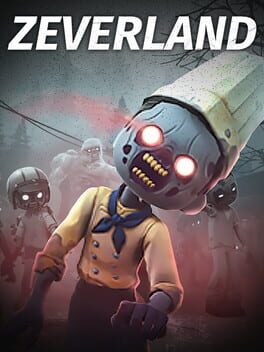
Zeverland Hides a 5,000 km² Zombie Survival World Behind Its Cute Look
Quantum Quirks' survival game combines improvised crafting, mobile bases, solo play, and multiplayer worlds for up to 1,000 players.

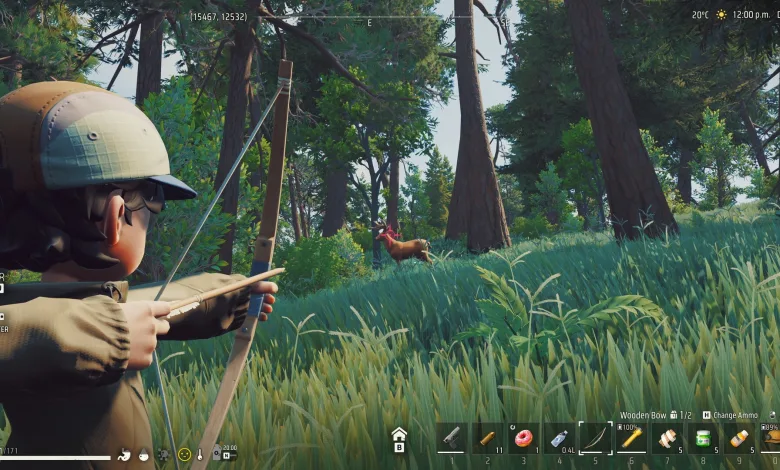
Zeverland pairs rounded, toy-like character models with a harsh zombie survival game built around everyday logic. Its world can stretch across up to 5,000 km², yet the systems shown so far give players plenty to do beyond simply moving from one fight to the next.
A cute world with harsh survival rules
Zeverland originally began as an open-world PvPvE game, but community feedback pushed Quantum Quirks toward a more PvE-focused design. The result still has the danger and pressure expected from a zombie apocalypse, although its central systems are designed to reward experimentation instead of forcing players down a narrow path.
A lit gas-powered lantern cannot be placed in a backpack until it is extinguished. Fuel from a pump can be transferred into a vehicle using bottles and other containers found during the journey, even if each bottle only carries a small amount. A stick and a knife can be combined with adhesive to create a makeshift weapon, while a locked door can be dismantled when a key is nowhere to be found.
Those examples capture Zeverland’s main idea. If an action makes sense in the real world, the game often allows players to try it, which could make scavenging feel less like collecting ingredients from a checklist and more like solving problems with whatever happens to be nearby.
Travel and construction follow the same approach. Players can find an RV or a flatbed truck, then turn it into a mobile base using loose objects and a broad crafting toolkit. The base can move with the group instead of tying survival to one permanent shelter, creating room for longer trips through the wasteland without abandoning everything behind.
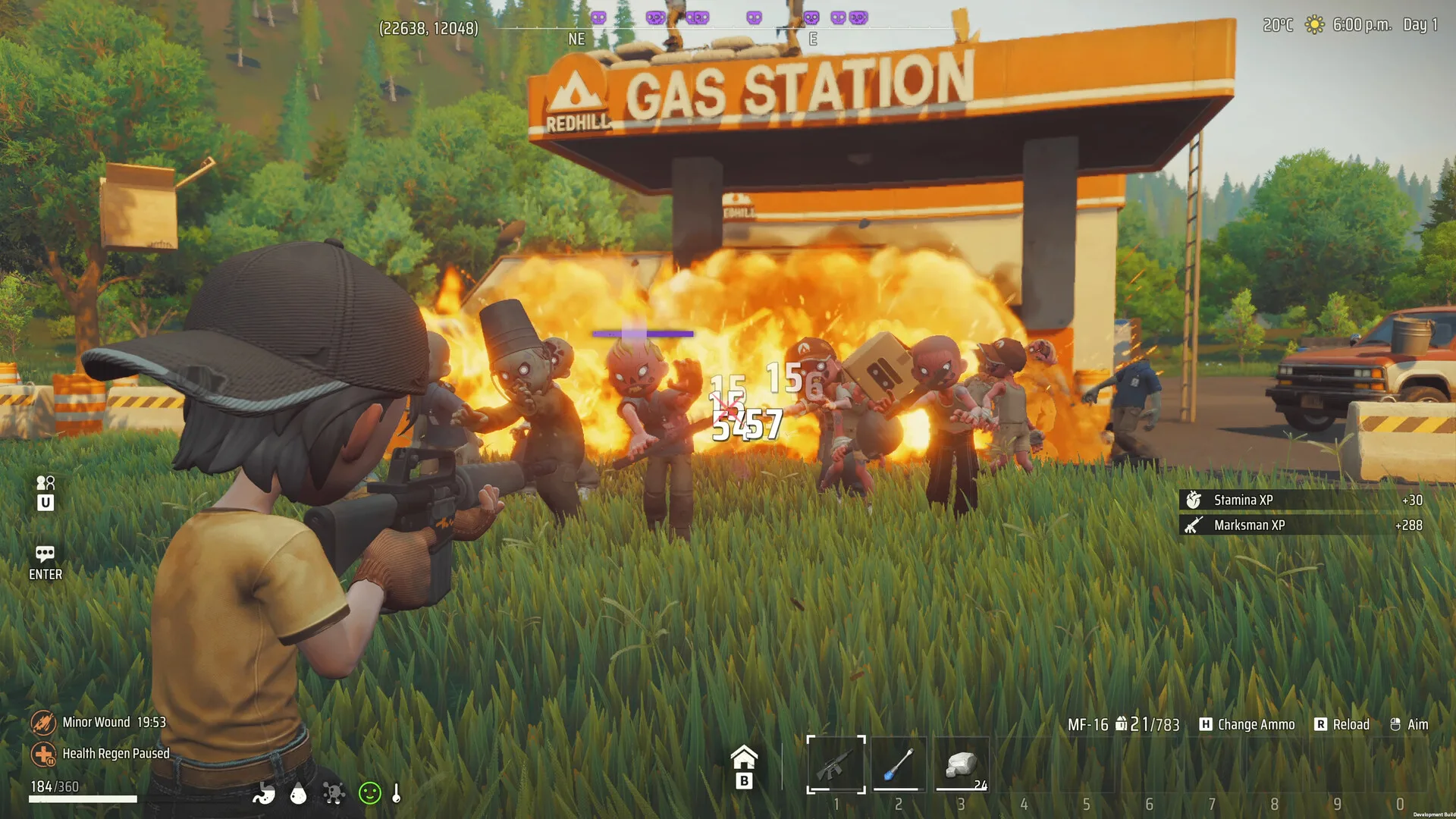
Solo play is supported, while shared worlds can hold up to 1,000 players at the highest end. The game also includes farming and gardening, giving players another way to live off the land alongside scavenging, shelter construction, and combat with a wide range of weapons.
Infection creates another way to play
Infection does not simply mark the end of a survivor’s story. Once turned, a character can roam the wasteland as a zombie, gaining new powers and abilities while potentially changing into a mutated form of the undead creatures already roaming the world.
Returning to human form creates a strange second chance. Players can track down and destroy their own former zombie character, turning a previous defeat into a new objective and giving the infection system a gameplay purpose beyond a standard game-over screen.
Between its mobile bases, improvised weapons, farming systems, large multiplayer worlds, and two-sided approach to infection, Zeverland has a much broader survival loop than its cheerful art style suggests. The cute presentation may make the game look harmless at first, but the systems underneath are built for players who want to test the limits of a dangerous world.
Zeverland’s mix of cartoon visuals and unforgiving survival systems could make it a curious option for fans of the genre. Share your thoughts in the comments, and follow us on X, Bluesky, YouTube, Instagram, Steam, and Telegram.
Zeverland
Developed by Quantum Quirks