WARDOGS Studio Checks Applicants’ Steam Hours Before Hiring FPS Developers
Joe Brammer said Bulkhead uses public Steam and social media activity to find developers who understand FPS details, while its crunch expectations add another condition to the hiring process.

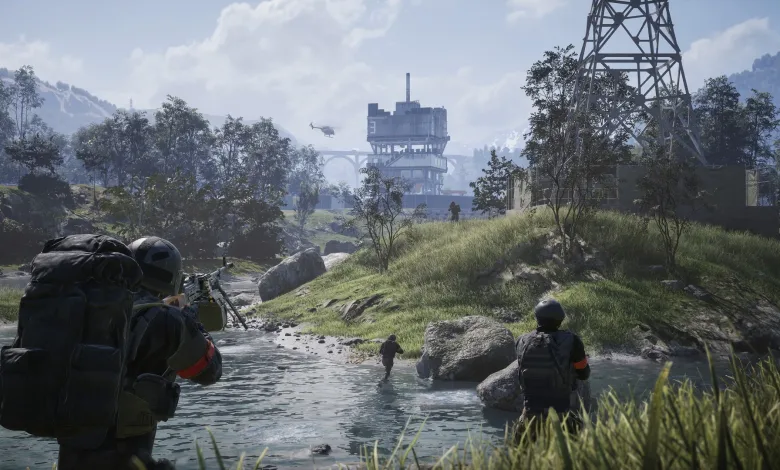
Bulkhead checks prospective developers’ Steam accounts before hiring them for WARDOGS, looking for proof that they care about FPS games rather than treating the genre as just another job assignment. Senior producer Kane Allard said the studio reviews every applicant’s Steam record, including their hours, to see whether they are passionate about shooters.
During a GamesRadar+ interview, executive director Joe Brammer explained that a developer can be talented and still lack the genre knowledge Bulkhead needs. “You wouldn’t let me go and make Final Fantasy,” he said, arguing that he would not know where to begin on a project built around unfamiliar design details.

Steam hours are a genre check, not a taste test
Applicants do not need a million hours in FPS games to be good developers, Brammer said. Bulkhead is looking for evidence that candidates care about the details of the genre and understand its work from a player’s perspective, rather than applying a strict playtime threshold.
Playing non-shooter games is not a mark against applicants. Brammer said it does not make someone a worse developer, but the studio wants to see genuine care for the details of what it builds. Developers can enjoy other genres while still bringing relevant FPS knowledge to a team focused on a large shooter.
Social media checks bring crunch into the hiring discussion
Steam is only one part of the process. In a separate GamesRadar+ interview, Brammer said Bulkhead also looks at candidates’ social-media presence and avoids people who regularly post that crunch should never happen. He also said he does not believe working from home is suitable for making videogames.
In comments to The Game Business, Brammer described Bulkhead as a place where people come to work hard and said he expects extra hours when a project demands them. Steam activity tests genre familiarity, while a candidate’s public views on crunch can reveal whether the studio’s working expectations are compatible with their own.
Bulkhead says its checks use public information
Public social-media screening can expose protected information that recruiters would not normally see, creating risks under UK data-protection and equality rules. Guidance from the UK Information Commissioner’s Office warns employers to handle pre-employment vetting carefully.
In a later statement to Eurogamer, Brammer said his comments to The Game Business were informal rather than a formal description of Bulkhead’s recruitment policy. He said the studio considers publicly available information during recruitment in line with UK employment and data-protection law, but does not access private accounts or conduct covert or intrusive checks.
A June crunch episode put the policy under pressure
Brammer also addressed a June 2026 deadline that led him to ask staff to work two extra hours from Monday through Thursday for four weeks. He described the arrangement as optional, said four employees opted out without consequences, and acknowledged that pressure within a close team could still make those employees feel uncomfortable.
Brammer said the extra time allowed Bulkhead to produce one additional build each day and receive a QA pass before the next morning. The studio had operated a four-day workweek for two years and wants to bring it back, although launch deadlines forced a return to five-day weeks.
WARDOGS’ launch made the hiring debate more visible
The discussion arrives after a difficult launch for WARDOGS, with queue failures, DDoS attacks, and anti-cheat mistakes adding pressure around the studio’s support plans. WARDOGS’ troubled launch also showed how quickly a large player base can turn development decisions into public scrutiny.
The same pressure appears in Brammer’s explanation of Bulkhead’s anti-cheat work. He described those systems as expensive and risky for the studio, and said players should know where their money goes and what kind of team they are supporting. Hiring people who understand FPS players is part of that wider approach.
Brammer’s hiring policy also lines up with his view that WARDOGS should have its own identity instead of being measured only against Battlefield or Call of Duty. A team that wants to build a shooter around its own systems naturally has reason to prioritize developers who understand the genre’s finer points.
Would a Steam play history be fair evidence of FPS passion, or should hiring stay separate from a candidate’s public views on crunch? Tell us what you think, and follow us on X, Bluesky, YouTube, Instagram, Steam, and Telegram.
Wardogs
Developed by Bulkhead