Path of Exile 2 0.5.5 Makes Endgame Runs Less Tedious With Smart Fixes
The update cuts Fortress repetition, smooths Atlas activities, expands Forbidden Rites, and adds new Abyss, Ritual, and Trial rewards.

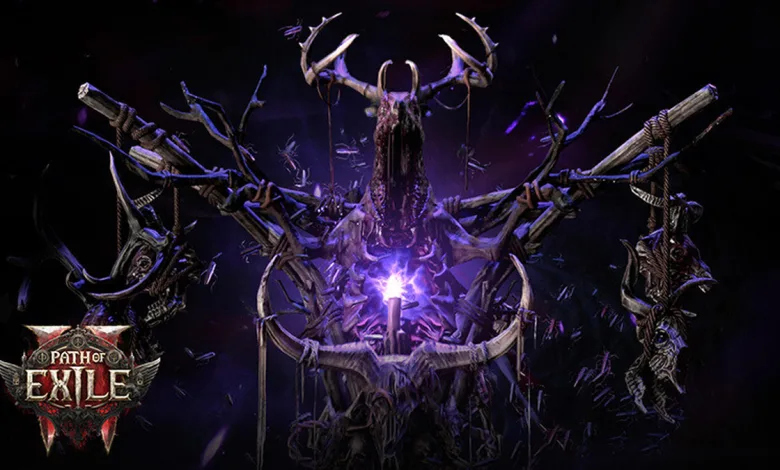
Path of Exile 2 patch 0.5.5 went live on September 4 with the Forbidden Rites League, but its most useful changes are not limited to the new seasonal content. Grinding Gear Games also reduced repeated Fortress clears, added clearer Atlas feedback, improved party play, expanded Abyss and Ritual progression, and made both Trials more rewarding.
Forbidden Rites has its own economy, challenges, and rewards, while Runes of Aldur remains available for existing characters. Together, the league additions and endgame adjustments give new characters more to pursue without making established routines feel quite so repetitive.


Atlas progression asks for fewer repeated runs
The World Map now includes a shortcut for anyone who loses track of their last destination. Center the map and a small golden circle will appear near the edge of the screen. Selecting it returns the view to the previous map you attempted, which saves players from dragging across the entire Atlas to find their place again.
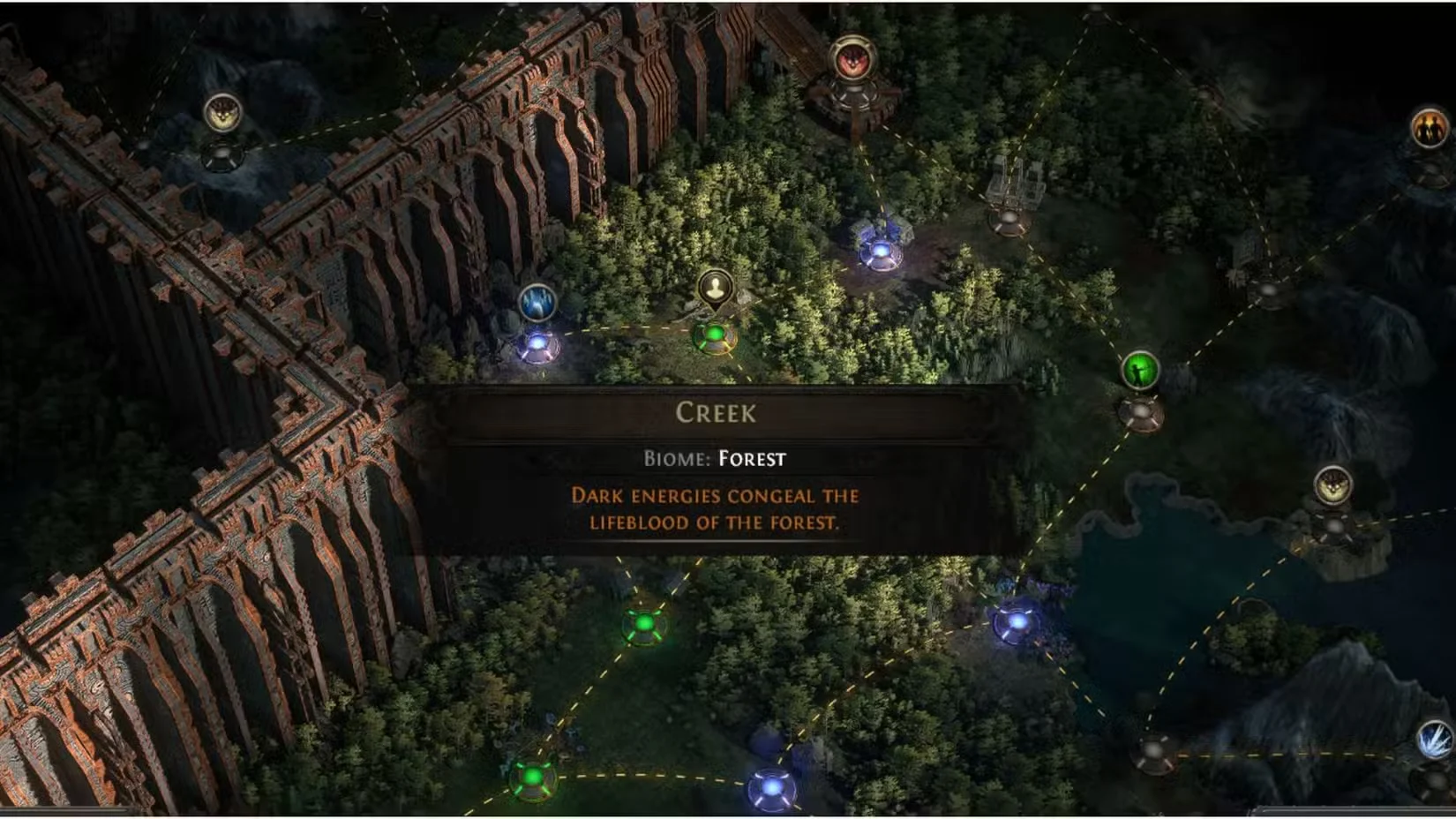
Fortress progression also received a much larger reduction in repetition. The full Atlas tree now unlocks after the normal quest version and one harder version, reducing the required Arbiter of Divinity victories from five to two. Once the quest version of the Fortress is complete, the Matriarch and Patriarch Halls will appear closer to the center of the World Map as well, so reaching them should involve less searching and fewer low-tier maps.
Boss resistances now follow each encounter’s theme more closely. Arbiter of Ash resists fire and is weak to cold, while Arbiter of Divinity resists lightning and is weak to fire. Omniphobia and the Raven Trickster also no longer use a blanket elemental resistance, giving builds clearer weaknesses to target.
Corrupted Nexus encounters are less punishing when the final fight goes wrong. Players can retry the final boss without searching through the entire map for another corruption point, which keeps one failed attempt from wasting the whole encounter.
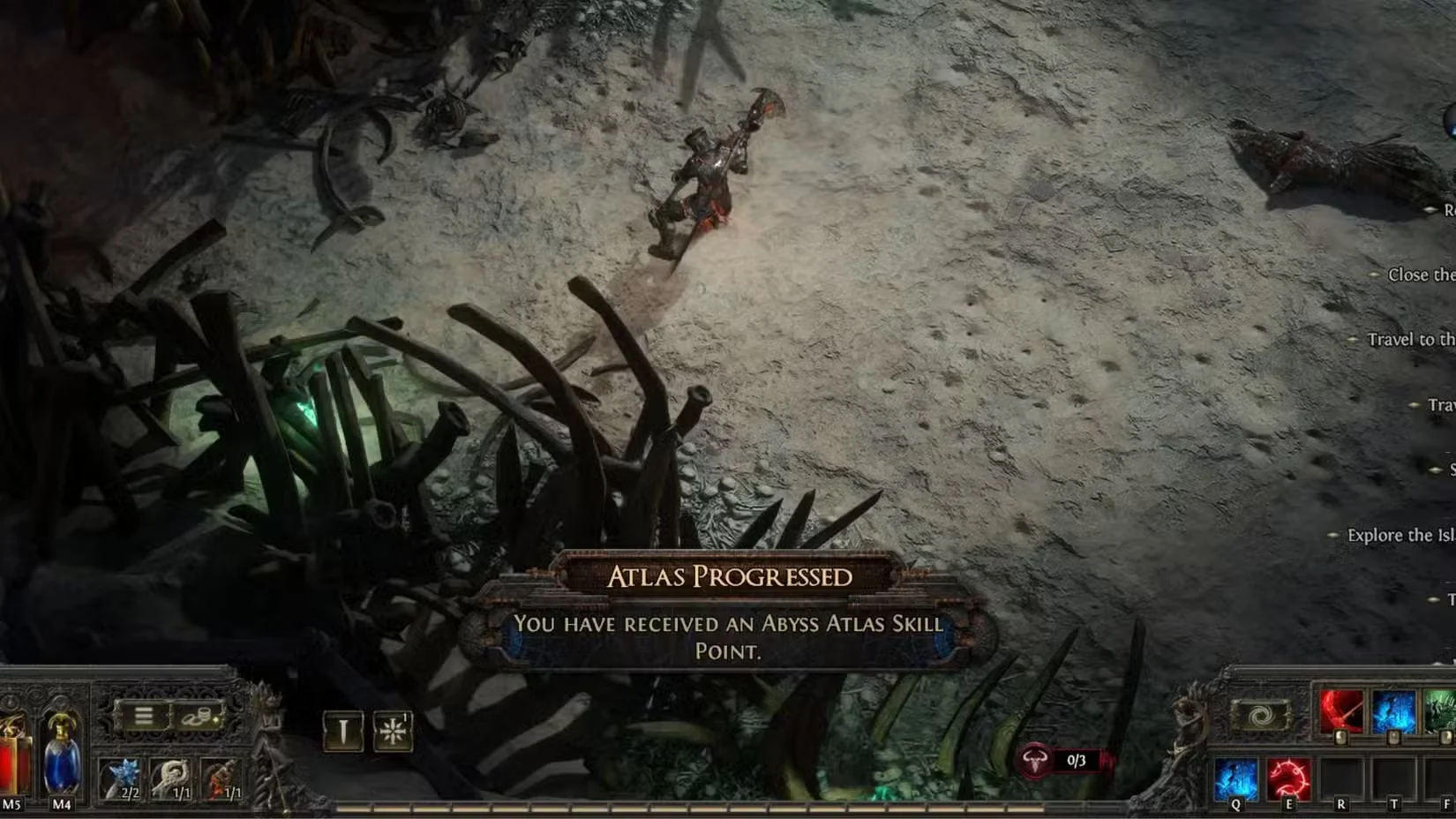
Atlas progress is easier to track as well. Completing an objective such as closing a Breach or finishing a Ritual now produces a notification when it awards an Atlas passive point. The reminder is small, but it reduces the chance of leaving a point unused before starting the next map.
Runes of Aldur and Abyss add new Atlas routes
Runes of Aldur moves into the regular rotation through new Tablets that spawn Expeditions in maps. Up to four Tablets can be active at once, and the third Tablet adds a second Kalguuran Expedition. New modifiers give Expedition-focused characters more ways to tune their maps. After completing Farrow’s quest in Act 4, players can find him in their hideout.
Abyss also receives a new endgame route through Abyssal Ravines. Every map along a ravine contains a guaranteed Abyss encounter, and the final map leads to a faction-based boss. The connected path gives Abyss players a more deliberate farming route instead of isolated encounters scattered across the Atlas.
The Ghastly Relics node on the Abyss Atlas Tree now affects every large chest found in an Abyssal underground area. Each of those chests can become an Abyssal Strongbox instead of only the final chest receiving the conversion. Earlier bugs with the strongboxes have also been fixed, giving players more chances to find currency and Omens while clearing the area.
Forbidden Rites makes leveling more eventful
Forbidden Rites is available through the campaign and interludes. Ritual pillars connect certain areas, and defeating a level’s main boss stores that boss for a later fight. Each subsequent boss encounter can add another stored boss to the gauntlet, with the sequence growing to four bosses fought back-to-back.
Completing the encounters awards Currency and Unique items, giving the leveling process a new source of power. The league also includes eight challenges built around Ritual content, including clearing the campaign’s Ritual gauntlets, obtaining items from Rituals, using Omens, and reaching level 90.
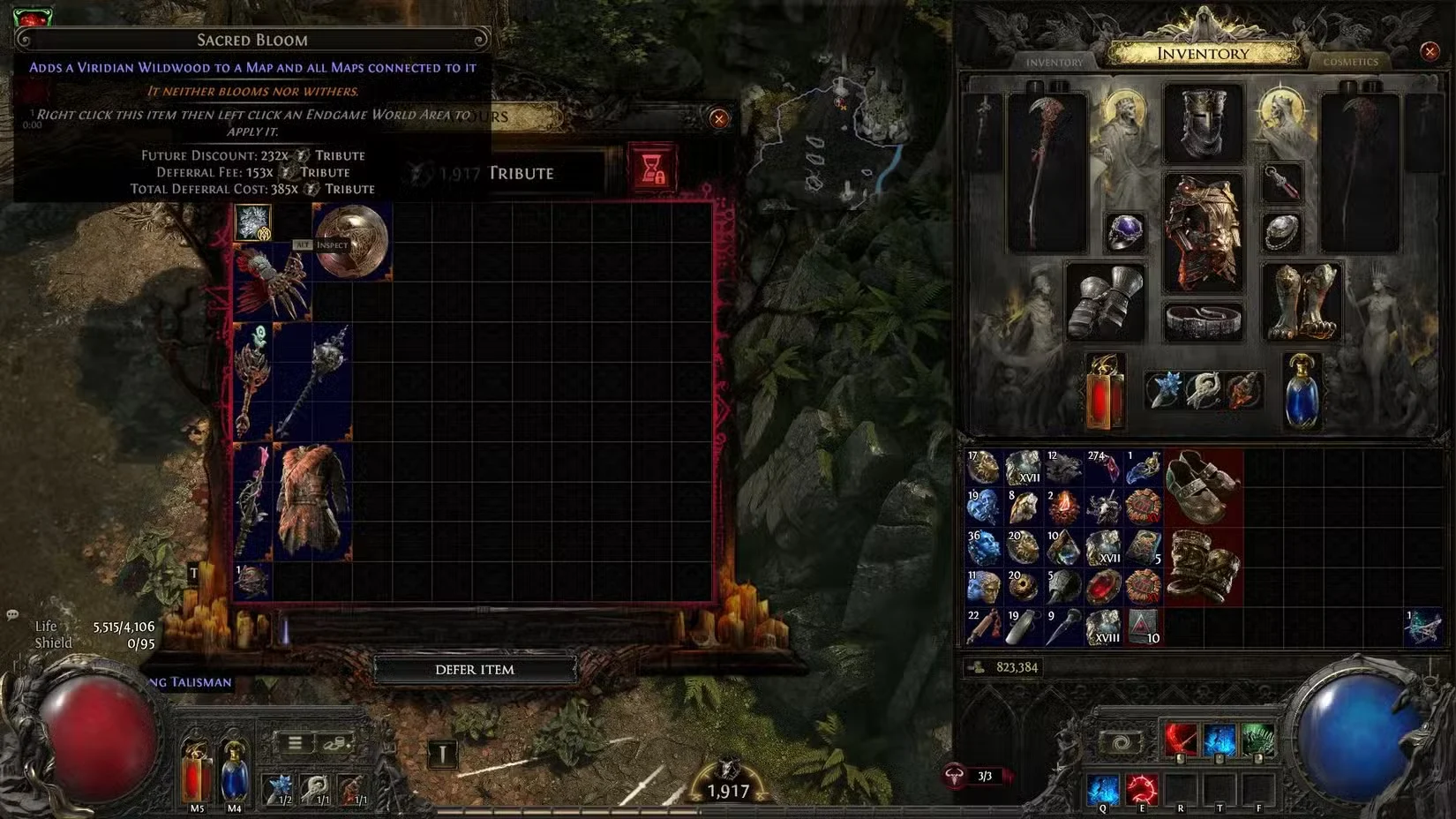
Ritual received several changes aimed at players who want to build up Tribute. Adding more than one Ritual tablet to a map can now add another Ritual altar, giving the run more opportunities to produce Tribute. Unique tablets can be used alongside this setup to build a larger reserve and defer items until they cost less.
Sacred Blooms are also available as Ritual rewards purchased with Tribute. Using one creates a Viridian Wildwood area where players gather wisps. Finishing the area applies the collected wisp types to every map within it, opening a dedicated sequence for pushing map rewards.
Party play gets its own adjustment during the Ritual-focused league. Each player now receives a personal Tribute total and a separate reward pool. Those rewards cannot be rerolled in the same way as the party leader’s options, but leftover Tribute can still be spent with the King in the Mists.
Trading no longer fights your inventory
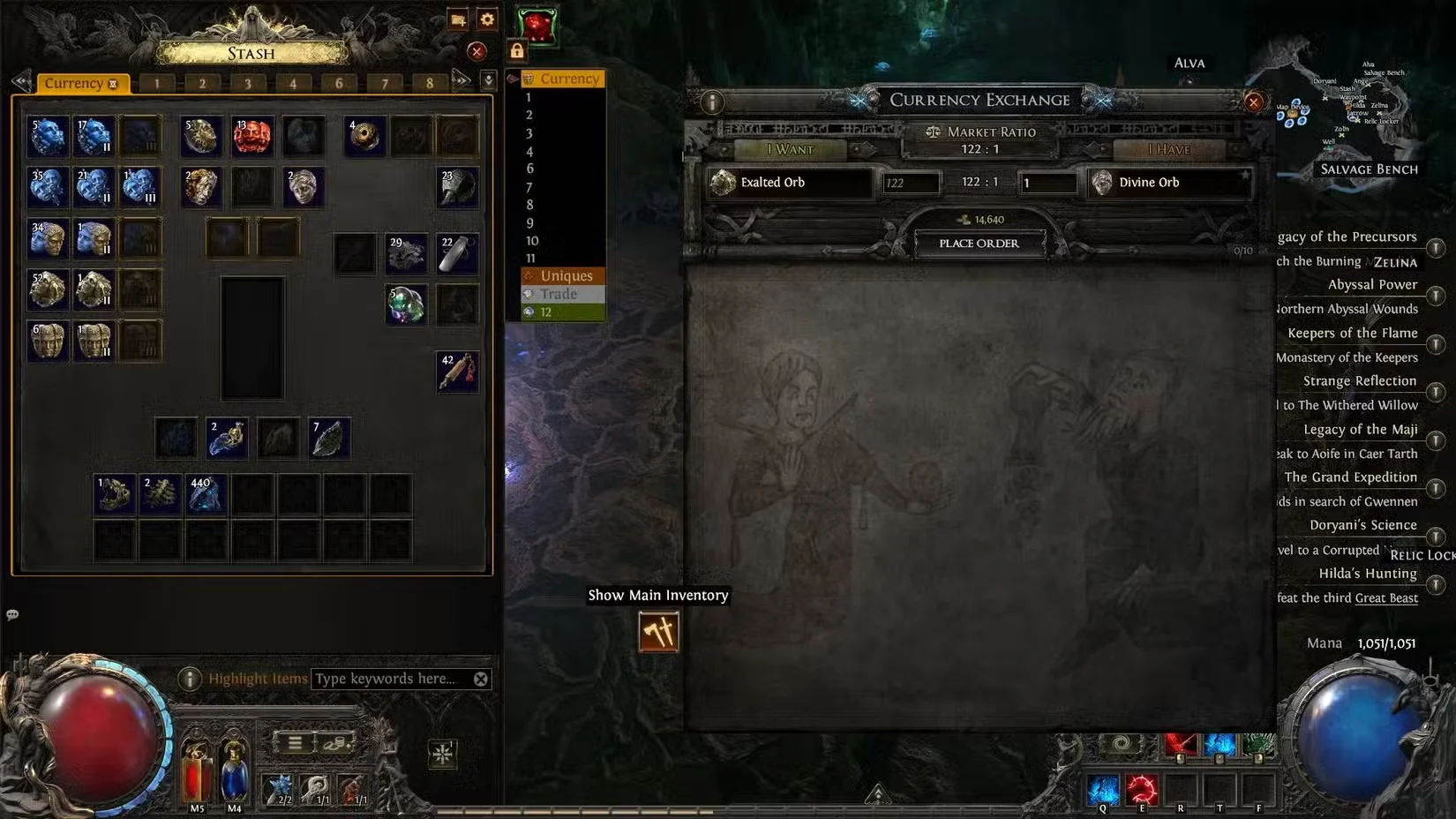
The Currency Exchange now has a button in the lower-left corner that opens the Stash beside the purchase window. Previously, the exchange opened the player’s inventory by default, which meant moving currency out in repeated trips whenever a trade produced more than the inventory could hold. The new shortcut lets players access a Currency tab directly and transfer their earnings without closing the exchange.
New Soul Cores give builds more options
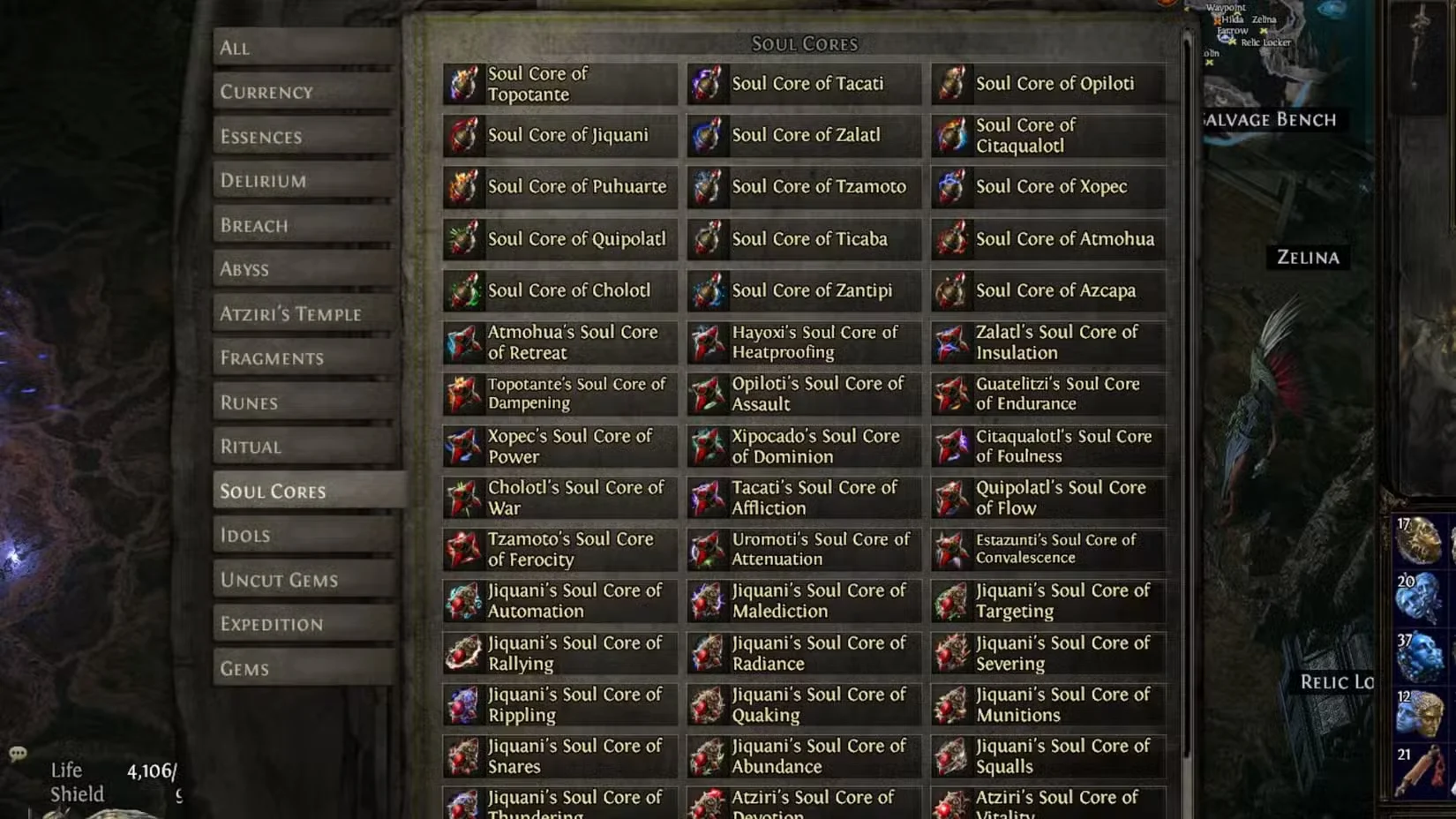
Update 0.5.5 adds new Soul Cores for characters that want to shape their builds around specific skills or equipment choices. Jiquani Soul Cores can be socketed into weapons and raise the level of skills with specific tags. Soul Core of Abundance, for example, adds one level to Plant Skills, while Soul Core of Munitions applies to Grenade Skills.
Atziri Soul Cores instead scale with the amount of corrupted gear equipped. Soul Core of Vitality grants 1% more maximum health for each corrupted item, so the value of these Cores grows with a character’s commitment to corrupted equipment.
Breaches and Trials give players more room to play
Unstable Breaches now release their heavily modified rare monsters in groups of five instead of sending the entire group into the area at once. The change gives players more space to react when a Breach is packed with dangerous modifiers, freezes, and chaos damage.
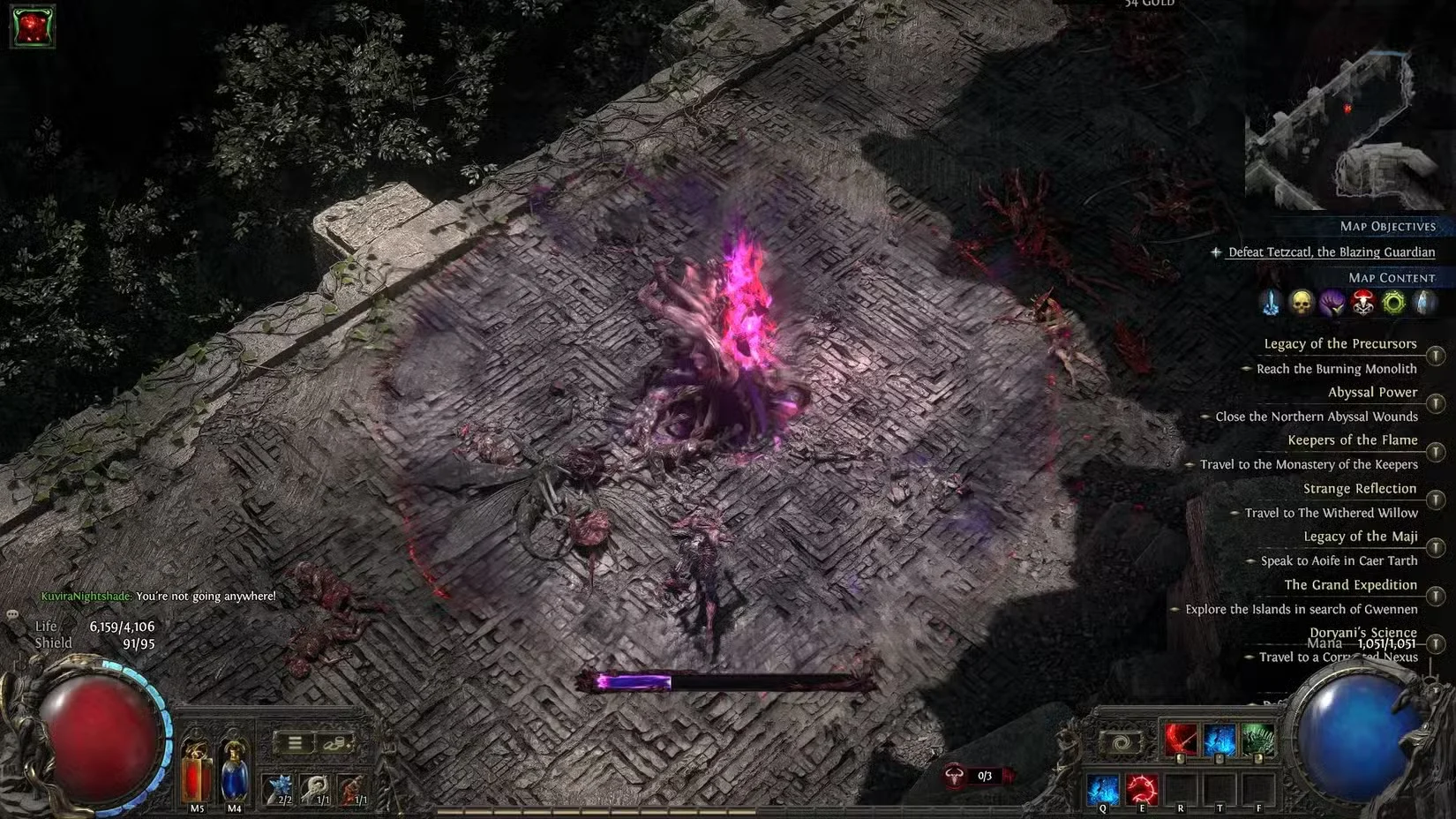
Trial of the Sekhemas has received better rewards for runs above level 65. These trials can now generate larger monster packs, rare enemies with more modifiers, improved boss drops, and Exceptional items. The added rewards give the activity a clearer reason to remain part of an endgame rotation even though Atlas bonuses do not apply inside it.
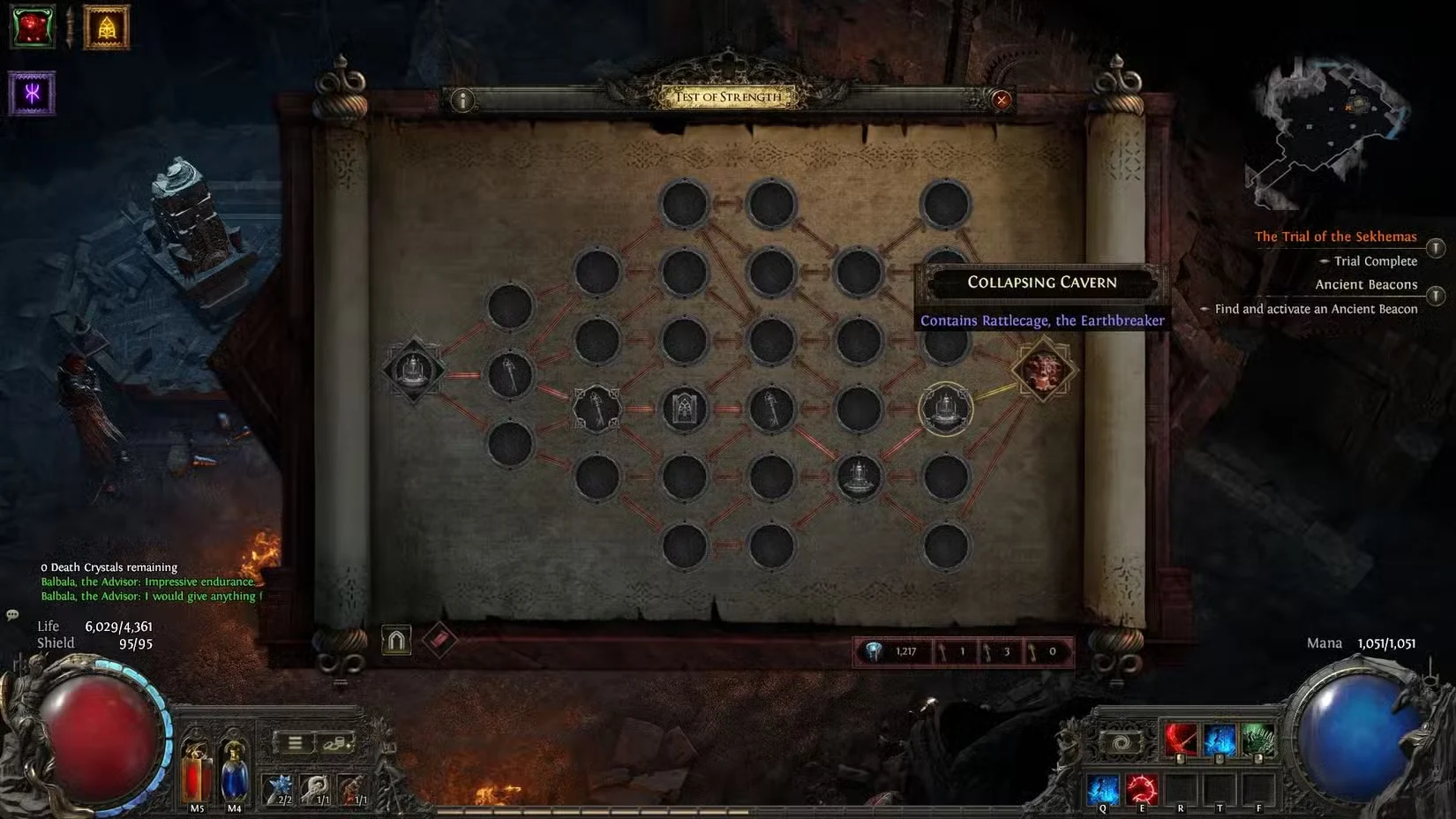
Trial of Chaos received the broadest set of changes. More rooms now focus on combat, with less waiting between encounters. Trialmaster’s time pauses and the large Stone doors are gone, while modifiers can provide more item rarity. Runs can continue beyond room 10, and completing a 30-room run guarantees three Fate Fragments.
Escort sections are more forgiving, several elevators are now larger and move faster, and Uxmal’s arena has been simplified. Party members should have an easier time keeping up as the group advances, while the reward pool puts greater weight on Soul Cores and currency.
Together, these adjustments make 0.5.5 feel less concerned with adding more steps and more focused on removing friction from the steps players already repeat. The World Map shortcut may save only a few seconds at a time, but fewer Fortress clears, clearer Atlas notifications, new routes, better Trial rewards, and easier stash access can affect nearly every endgame session.
Which Path of Exile 2 change will save you the most time? Share your thoughts in the comments, and follow us on X, Bluesky, YouTube, Instagram, Steam, and Telegram.
Path of Exile 2
Developed by Grinding Gear Games
Path of Exile 2 is a next generation Action RPG created by Grinding Gear Games. Set years after the original Path of Exile, you will return to the dark world of Wraeclast and seek to end the corruption that is spreading. Path of Exile 2 is a free-to-play online multiplayer game with co-op for up to six players.
- Genre Role-playing (RPG), Hack and slash/Beat 'em up, Adventure
- Platforms Xbox Series X|S, PC (Microsoft Windows), PlayStation 5, Mac
- Perspective Bird view / Isometric
- Modes Single player, Multiplayer, Co-operative, Massively Multiplayer Online (MMO)
- Release December 6, 2024
- Publisher Grinding Gear Games, Kakao Games
-
Age Rating