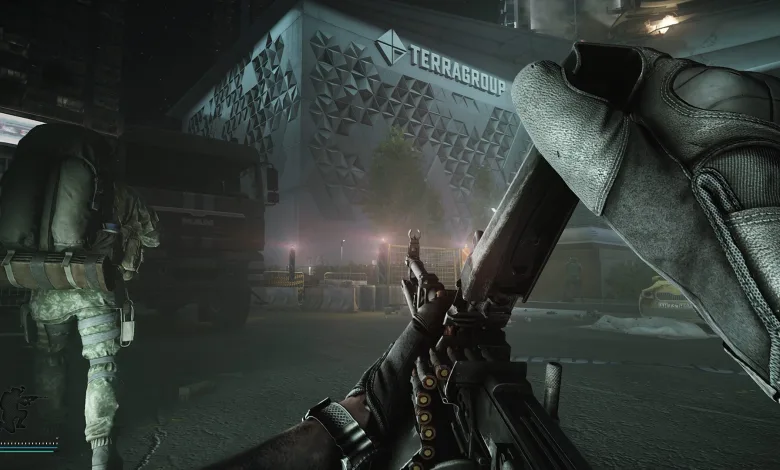
Escape from Tarkov is holding onto its audience while much of the extraction-shooter market loses momentum. After a wave of new releases, Battlestate Games’ shooter was the only major title in the comparison showing a mostly consistent player-count rise across the previous three months.
That is an impressive position for a game that first entered the genre roughly a decade ago. The extraction scene has become crowded, with dozens of games arriving over the past year and more projects still ahead, including Modern Warfare 4’s DMZ platform and PUBG’s Black Budget. Yet the wider market has struggled to keep players around after launch.

Tarkov is moving against the market
Steam’s player figures showed how sharply the numbers had changed for several extraction shooters. Marathon reached a peak of 40,000 players during the previous three months but had a 24-hour peak of only 5,000 at the time of the comparison. ARC Raiders climbed as high as 110,000 players in May before recording a 33,000 peak over the preceding 24 hours.
Mistfall Hunter opened with a 44,000-player peak, then fell to 33,000 within a few days. Gray Zone Warfare dropped from 11,000 concurrent players over a three-month peak to 3,200 in the previous 24 hours.
Smaller games showed the same pattern:
- Dark and Darker recorded a 24-hour peak of 11,000 players.
- Incursion Red River fell from 655 players in May to 340 in August.
- Escape from Duckov reached 8,500 during a major update and later stood at 4,500.
- Far Far West went from a 47,000-player launch peak in April to 1,000 over 24 hours.
- Road to Vostok fell from 8,200 at launch in April to 471.
- Zero Sievert recorded a 24-hour peak of 380 players.
Escape from Tarkov stood apart from that group. It had the highest 24-hour peak among the core dedicated extraction games in the comparison, helped by the recent arrival of Update 1.1.0.0.
Arena Breakout: Infinite came closest, reaching a 32,000-player 24-hour peak after a major update added a permanent PvE mode. The game held onto that increase for several weeks. Hunt: Showdown also weathered the downturn better than most, with a 26,000-player peak compared with 43,000 in June.
Why Escape from Tarkov continues to grow
Part of Tarkov’s strength comes from its long history. The game has had years to build a dedicated audience, and its full release in November 2025 brought a new story, a fresh map, a Steam version, and many other changes.
Battlestate Games has also kept a steady stream of new content in front of players. The first official season and battle pass structure recently arrived, adding a new progression route while seasonal content, wipes, and further systems remain part of the game’s future.
The roadmap also points toward a console release, a standalone PC game, a major Lighthouse overhaul, more weapons, and the Scav Life expansion. Few other extraction games currently have that much content planned across different stages of development.
Tarkov’s community gives it another advantage. Streamers and long-time fans continue to keep the game in public view, even when updates or design decisions frustrate parts of the player base. The game can take plenty of criticism and still remain one of the first names mentioned whenever extraction shooters come up.
That combination of longevity, regular content, and a deeply committed audience has helped Escape from Tarkov withstand the genre’s current downturn. New competitors may arrive with larger launch numbers, but Battlestate Games’ shooter has shown that keeping players around can matter more than making the biggest first impression.
Do you still play Escape from Tarkov, or have you moved to another extraction shooter? Share your thoughts in the comments, and follow us on X, Bluesky, YouTube, Instagram, Steam, and Telegram.
Escape from Tarkov
Developed by Battlestate Games