Dune: Awakening’s deserts earn praise from a real-world survival expert
John Hudson said Funcom's rock formations and survival pressures echo deserts in Namibia, North Africa, Utah, and Chile's Atacama.

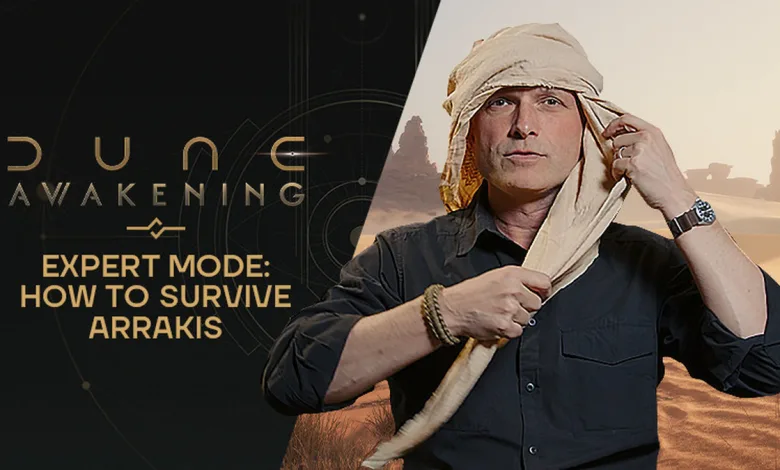
Dune: Awakening treats Arrakis as more than a backdrop, and British military survival expert John Hudson says Funcom’s desert environments hold up against the real thing. In a Steam feature from Funcom, Hudson praised the game’s vast vistas and wind-carved rock formations, comparing them with deserts he has visited around the world.


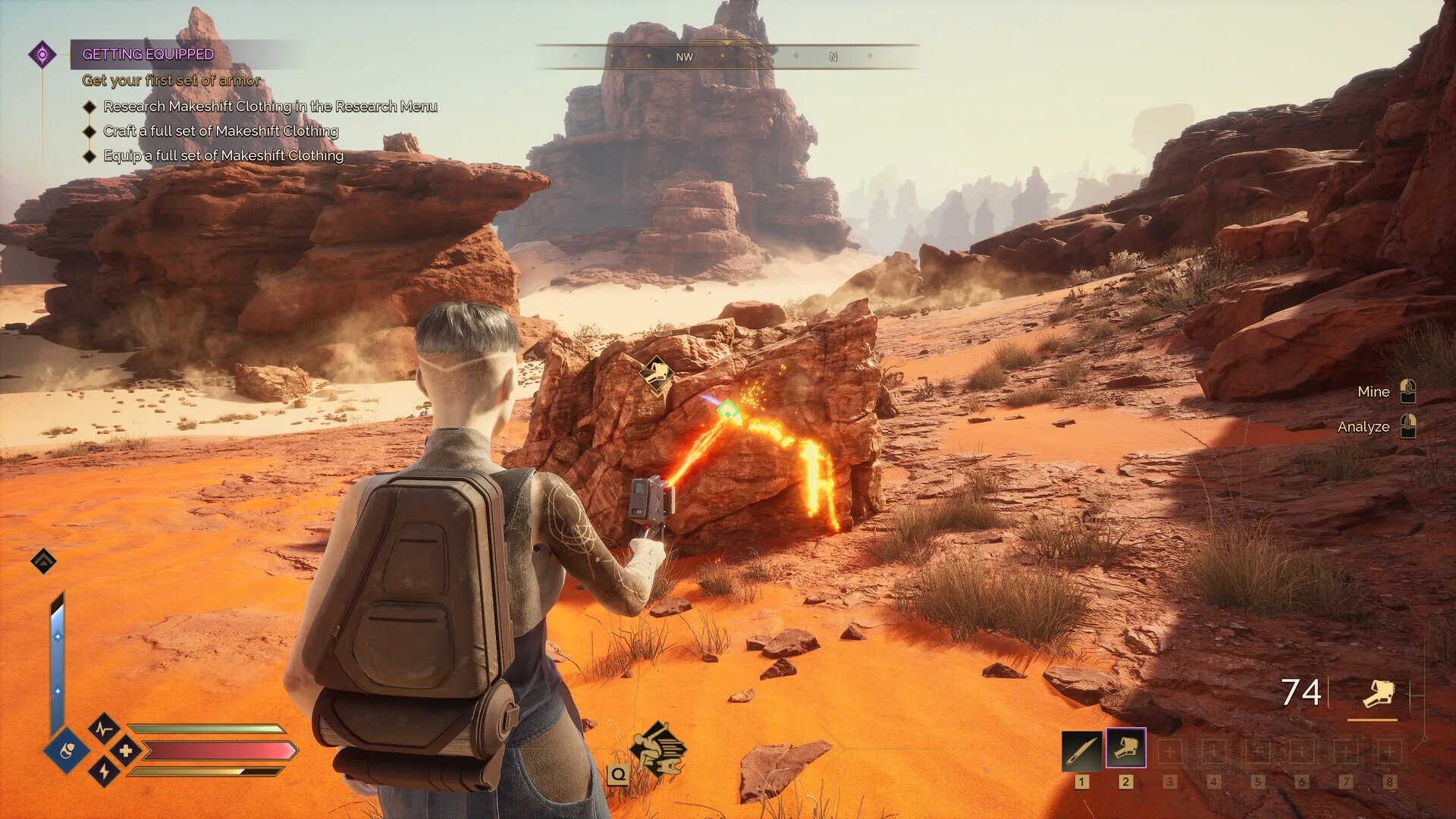
Hudson pointed to the rocky outcrops as one of the clearest examples of the game’s attention to detail. They look worn down by storms and wind, but they can also suggest shade and shelter, giving the scenery a practical purpose beyond its appearance.
“The rocky outcrops that the team of Dune: Awakening have built are incredibly realistic,” Hudson says. “They look like they have been sandblasted by desert storms. They look sculpted by the wind. Yet within them you can see some hope of refuge.”
How real deserts shaped Hudson’s view of Arrakis
Arrakis draws on several kinds of real desert terrain. Hudson compared its sweeping dunes with Namibia, its eroded rock formations with parts of North Africa and the American Southwest, including Utah, and its harsh, Mars-like surfaces with Chile’s Atacama Desert. The Atacama has also been used for planetary-exploration training.
For Hudson, the strongest connection between Dune and real survival is the need to create a portable micro-habitat. Frank Herbert’s world is too hostile to inhabit without technology, and the stillsuit represents that idea by helping people conserve water and endure the climate.
“The interesting part of Dune is that it invents a world where you wouldn’t be able to inhabit it without human technological intervention,” Hudson says. “The ability to create a micro-habitat that you can move around in is fundamental to survival.”
Heat, water, and storms turn scenery into a threat
Survival in a desert begins with limiting exposure. Hudson advises covering exposed skin, protecting the eyes, and finding shade when heat starts to affect the body. Losing even a modest amount of water can bring dizziness, disorientation, and poor judgment, while dehydration and rising core temperature can quickly become life-threatening.
Sandstorms add another problem because they can arrive with little warning and cover exposed travelers in wind-driven sand. Dune: Awakening builds those dangers into the way players move through Arrakis. Travel requires preparation, resources cannot be taken for granted, and rock formations can provide a temporary refuge when the weather turns against them.
Funcom’s Sept. 22 console launch will put this version of Arrakis in front of a wider audience. New console players and returning PC players will have access to the additions and improvements introduced since the PC launch, along with the new content and updates planned for September.
Tell us whether Funcom’s desert design sells Arrakis’ danger in the comments, and follow us on X, Bluesky, YouTube, Instagram, Steam, and Telegram.
Dune: Awakening
Developed by Funcom

Dune: Awakening is an open-world survival game set on the desert planet Arrakis. Players create a custom character and must manage thirst, maintain stillsuits, and contend with environmental hazards like sandstorms, extreme heat, and roaming sandworms. The game involves scavenging resources, crafting equipment, building shelters, and competing with other players to harvest and transport spice. As players progress, they advance through phases from basic survival to leading a guild, eventually participating in faction warfare between House Atreides and House Harkonnen. The game features single-player, and multiplayer which can be fully played in PvE with dedicated PvP zones.
- Genre Role-playing (RPG), Adventure
- Platforms Xbox Series X|S, PC (Microsoft Windows), PlayStation 5
- Perspective Third person
- Modes Single player, Multiplayer, Co-operative, Massively Multiplayer Online (MMO)
- Release June 10, 2025
- Publisher Funcom
-
Age Rating