Capcom Says Resident Evil’s Success Pays for Its Riskiest Ideas
Producer Masachika Kawata said the series' remakes and new entries provide the financial support for projects such as Pragmata.


Resident Evil has become much more than one of Capcom’s biggest game series. According to producer Masachika Kawata, its steady mix of remakes and new releases helps fund the publisher’s riskier projects and gives development teams room to work on original ideas.
Kawata discussed Capcom’s approach in a Game Informer interview. He explained that Capcom cannot release a brand-new mainline Resident Evil game every year without placing too much pressure on its teams. Remakes help fill those gaps while giving the company a dependable source of revenue.
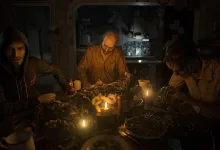

Resident Evil Gives Capcom Room to Take Risks
The strategy also treats remakes as more than nostalgia projects. They let developers revisit established games, test ideas and technology, and build experience before moving on to original productions. Kawata said that process supports both new Resident Evil games and projects outside the series.
“Capcom is lucky enough to have found this cycle that can continue to provide us with the financial resources to create things like new entries in the Resident Evil series and completely new IP like Pragmata,” Kawata said.
Pragmata’s performance illustrates the potential of that approach. The original game sold 2.5 million copies in its first three months.
Capcom’s sales figures support the producer’s point. The remakes of Resident Evil 2, Resident Evil 3, and Resident Evil 4 all rank among the company’s ten best-selling games, according to Capcom’s official sales data.
That performance gives Capcom a reliable commercial foundation while its teams work on projects with less predictable returns. It also helps explain why the publisher continues to pair remakes with new entries instead of treating the two approaches as competing priorities.
Kawata also said Capcom’s current development effort is focused on new mainline Resident Evil games and remakes rather than additional spin-offs. While some players may want more side stories, the available resources are already being directed toward projects such as Resident Evil Requiem and the series’ remakes.
Even with that focus on established series, Kawata argued that original games remain necessary. He said creating new things is essential not only for the games industry but for entertainment as a whole, adding that new challenges help development teams build skills that can later benefit major triple-A franchises.
The model has now supported games across the franchise, from its early survival horror releases to its later remakes and projects such as Resident Evil Requiem. For Capcom, Resident Evil’s commercial strength is helping keep the series active while supporting work beyond it.
What do you think of Capcom using Resident Evil’s profits to fund original projects? Share your thoughts in the comments, and follow us on X, Bluesky, YouTube, and Instagram.