After 35 Years, Takashi Iizuka Believes Sonic Has Reached Only 50% of Its Potential
Sonic creative director Kazuyuki Hoshino also pointed to younger fans in Thailand and South Korea, alongside long-time support in Taiwan.

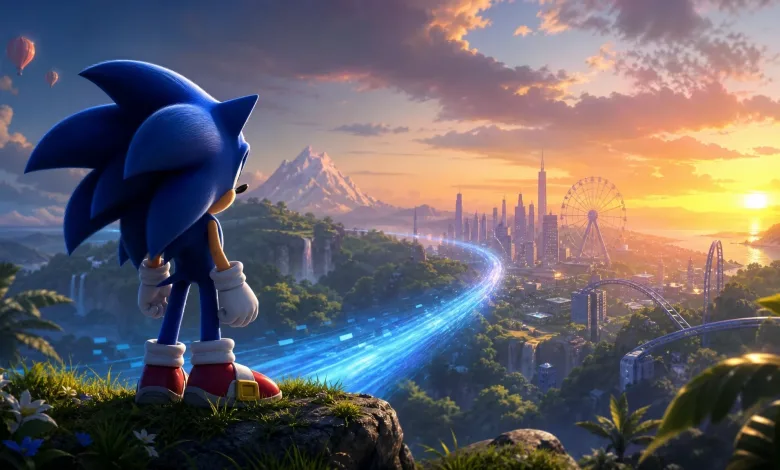
After 35 years, Takashi Iizuka believes Sonic the Hedgehog has reached only about half of its potential. Speaking in the latest issue of Japanese magazine Continue, as covered in Video Games Chronicle’s report, the Sonic Team head said Sega still wants to bring the character to people who have not played the games.
Sonic’s reach has already grown far beyond its original game audience. Since the first movie arrived in 2020, the film franchise has become a billion-dollar property, while Sega says Sonic generates more than $1 billion each year through licensing. That growth follows a difficult period for the series, which Iizuka previously said came close to cancellation before the movie success changed Sega’s plans, as detailed in Sega’s earlier plans for Sonic.


Iizuka said the original Sonic team dreamed of reaching Disney’s level, and that he received similar encouragement after joining Sega. Those ambitions included using Sonic to surpass Disney and eventually building a theme park around the character.
“Thirty-five years have passed, but we haven’t quite gotten there yet,” Iizuka said. He added that bringing Sonic to film gave Sega another way to introduce the franchise to people who had never played a Sonic game.
Sonic’s audience is growing across Asia
Sonic creative director Kazuyuki Hoshino said a recent tour connected to a book project gave him a clearer view of the franchise’s popularity in Asia. He was surprised by the number of fans in Thailand, Indonesia, Malaysia, South Korea, and Taiwan.
Hoshino said younger fans in Thailand and South Korea often discovered Sonic through the movies, while Taiwan had many supporters who had followed the character since the Mega Drive era. The contrast shows how the franchise now reaches audiences who arrived through different parts of Sonic’s long history.
Sega is also looking at audiences beyond its traditional image. In a separate License Global interview, Sega vice president of licensing and partnerships Alex Gomez described women, especially young adults, as part of an “underserved demographic” for future Sonic consumer products. He pointed to past fashion, makeup, and jewelry collaborations as evidence of interest in that area.
Iizuka’s comments place the movies, licensing, and wider audience plans inside a much larger goal. Sega may already have a family brand with fans across generations, but Sonic Team still sees room to take the character much further.
Which part of Sonic’s future would you most like Sega to develop next? Follow us on X, Bluesky, YouTube, Instagram, Steam, and Telegram for more gaming news.