Euro Truck Simulator 2 Details Soul of Anatolia’s Biome-Building Process
SCS says researchers gather natural-environment references roughly every 3 miles along each road being studied.

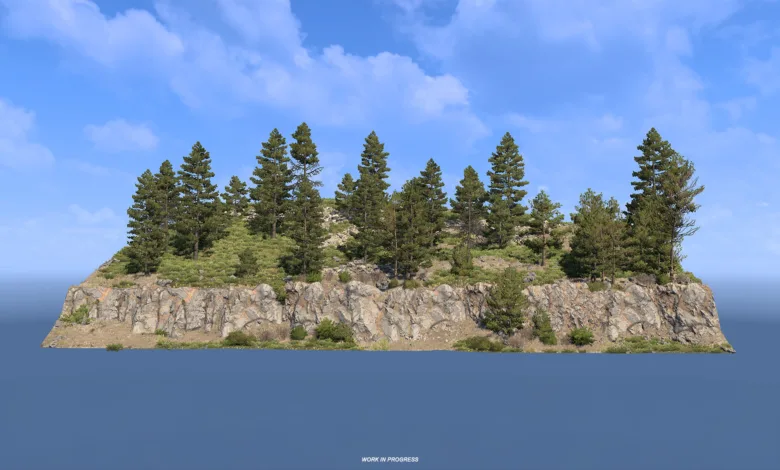
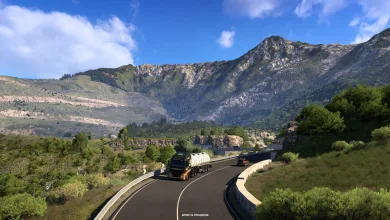
Euro Truck Simulator 2’s upcoming Soul of Anatolia expansion is being built around sharp changes in Türkiye’s scenery, from misty northern mountains and dry inland steppe to Mediterranean coastlines. In its new behind-the-scenes feature, SCS Software explains how research and map design turn those contrasts into distinct biomes that still feel connected.
Senior map designer and vegetation specialist Dominik has worked at SCS for six years. He creates biome and environment prototypes, helps map designers choose suitable vegetation, and connects the research, map design and vegetation asset teams so their work stays consistent.

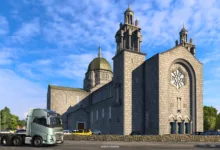
Earlier previews covered the expansion’s plans for around 300 new generic assets and more than 100 highway interchanges being built. The latest look focuses on the vegetation and terrain around that architecture and road network.
From road references to shared biomes
Vegetation research starts with an overview of each region’s visual character, ecoregions, agriculture, geology, plant species, forest composition and crops. Researchers gather natural-environment references roughly every 3 miles along each road under study, then sort them by features such as terrain, fields, plants and rock formations.
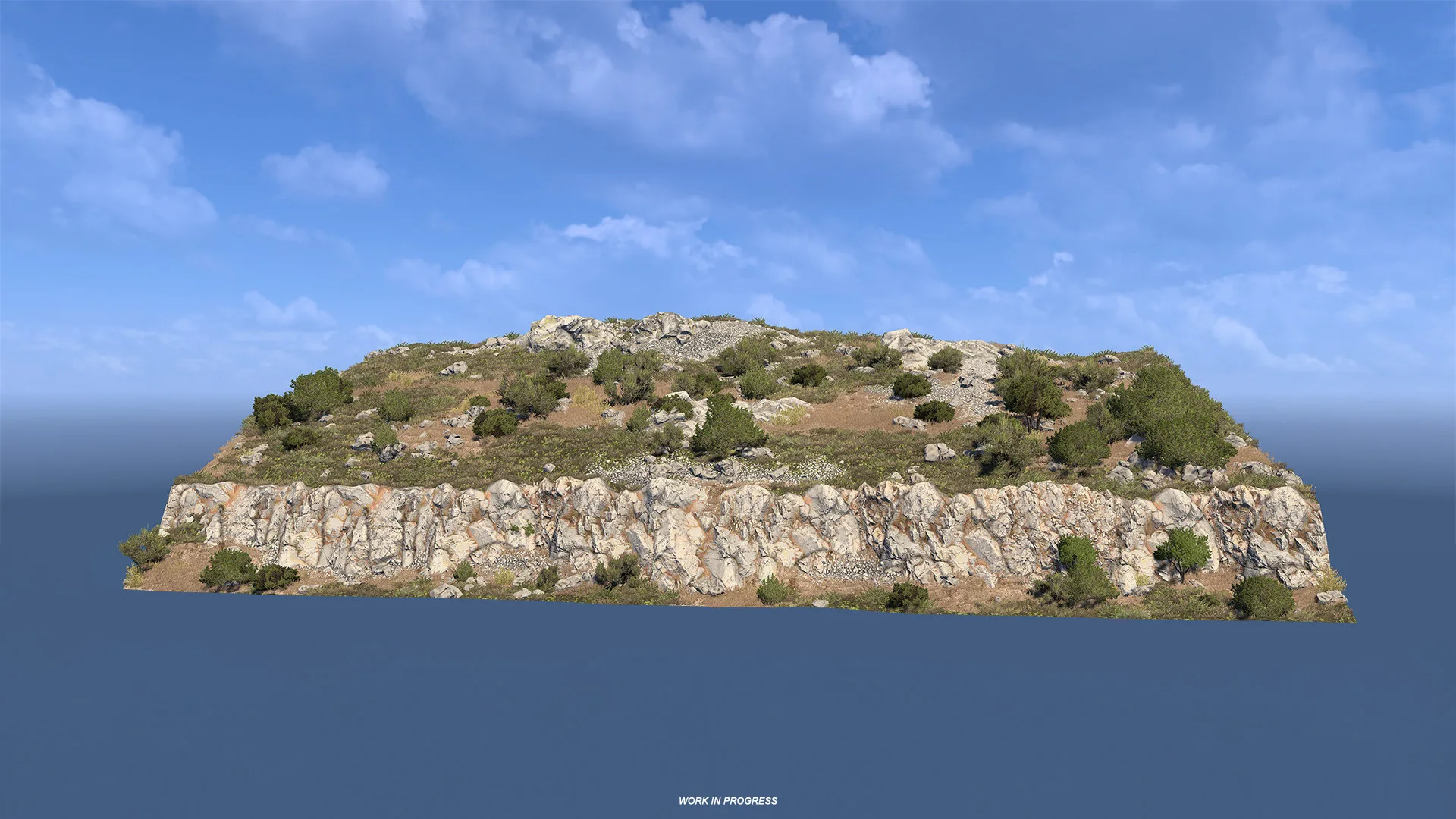
Those references help the teams decide which existing assets can be reused and which need to be made from scratch. Once the map is divided into biomes, Dominik builds prototypes for details such as distant mountain outlines, eroded slopes, grass and ground materials in cities. Shared rules and material palettes help designers create clear regional identities without abrupt changes between areas.
Water, roads and farming all affect the scenery
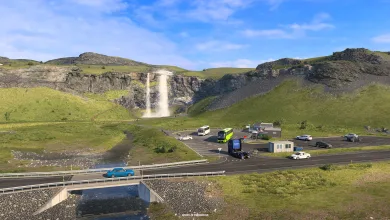
Small environmental details can change how a biome reads. In summer, a stream or shaded valley can bring lush vegetation into otherwise scorched steppe within a few meters. Roadside plants need similar care: dust from a nearby dirt road can coat bushes, so removing the road from a reference without accounting for that residue may make the plants look out of place.
Human activity is part of the region’s natural character too. Fields, orchards, plantations, greenhouses and planted groves sit alongside wild vegetation, and Anatolia is home to thousands of endemic plant species. The team is also drawing on the area’s geology, from monumental rock formations and pale limestone to Cappadocia’s volcanic shapes.
The game’s scale means designers cannot reproduce every detail meter by meter. Instead, they adjust features such as vegetation density, road curves and distant villages to capture the feel of a place. Dominik hopes players notice Cappadocia in particular, as well as the changing rhythm between open highway stretches and technical mountain passes.
Which detail from Anatolia’s scenery do you think will stand out most from the cab? For more on how SCS is building the region’s roads and environments, stay connected on X, Bluesky, YouTube, Instagram, Steam, Telegram and Facebook.
Euro Truck Simulator 2
Developed by SCS Software
Euro Truck Simulator 2 is a vehicle simulation game and a direct sequel to the 2008 game Euro Truck Simulator. Travel across Europe as king of the road, a trucker who delivers important cargo across impressive distances! With dozens of cities to explore from the UK, Belgium, Germany, Italy, the Netherlands, Poland, and many more, your endurance, skill and speed will all be pushed to their limits. If you’ve got what it takes to be part of an elite trucking force, get behind the wheel and prove it!
- Genre Racing, Simulator
- Platforms Xbox Series X|S, PlayStation 4, Linux, PC (Microsoft Windows), PlayStation 5, Mac, Xbox One
- Perspective First person, Third person, Bird view / Isometric, Side view, Virtual Reality
- Modes Single player, Multiplayer, Co-operative
- Release October 19, 2012
- Publisher SCS Software
-
Age Rating


-
Time to Beat
- Main
- 7h
- Main + Extras
- 39.5h
- Completionist
- 90h