AI pairs in The Isle are being developed to build nests, lay eggs, raise hatchlings, and defend them from threats. Young dinosaurs will get hungry and thirsty, beg their parents for food, and follow them to nearby water. Some abandoned nests may still contain eggs, leaving opportunities for players to steal them. Afterthought Games shared the progress in DevBlog #74 on Steam. DevBlog #72 listed AI nesting and ambient-spawn filtering among the systems still in development.
Oviraptor is nearing its exit from HordeTest. Following earlier work on Oviraptor’s nest and egg mechanics, the team has implemented its dodge, adjusted its speed calculations for every growth stage, and continued fixing bugs. Baryonyx is next in line for the testing branch once Oviraptor moves on.
Migration and performance remain HordeTest priorities
Recent fixes addressed migration zones breaking when players switched between individual and species migrations, as well as icons that failed to display correctly. The team also fixed overlapping plant spawns, food that sometimes respawned when it should not, coconuts that failed to respawn, and nutrient problems inside and outside migration zones.
Migration locations now update on the compass without requiring players to use scent repeatedly. QA is also refining how groups share individual migration zones. After players have been grouped for 15 minutes, the leader will be able to share their zone through the character menu, with a cooldown afterward. The rule adds detail to the earlier migration plans.
Performance work continues on both client and server. QA identified a rare Pterodactylus spawn that could pause the game for a few seconds for some players. Other fixes addressed entomb-save persistence for skins and prime growth scales, hatchling interactions, and female-only mutations being inherited by males. Egg eating is now restricted to egg-eating dinosaurs, which currently means Oviraptor.
Footstep sounds and visual effects now transition with creature size and weight. The team is carrying that technology into slides and hillslides, including snow surfaces. A Tenontosaurus hillslide problem that worked in the editor but failed in builds has also been resolved. Interaction targeting is being made smoother, though QA still has work ahead on issues such as carnivores opening bodies.
A long-haul truck takes shape
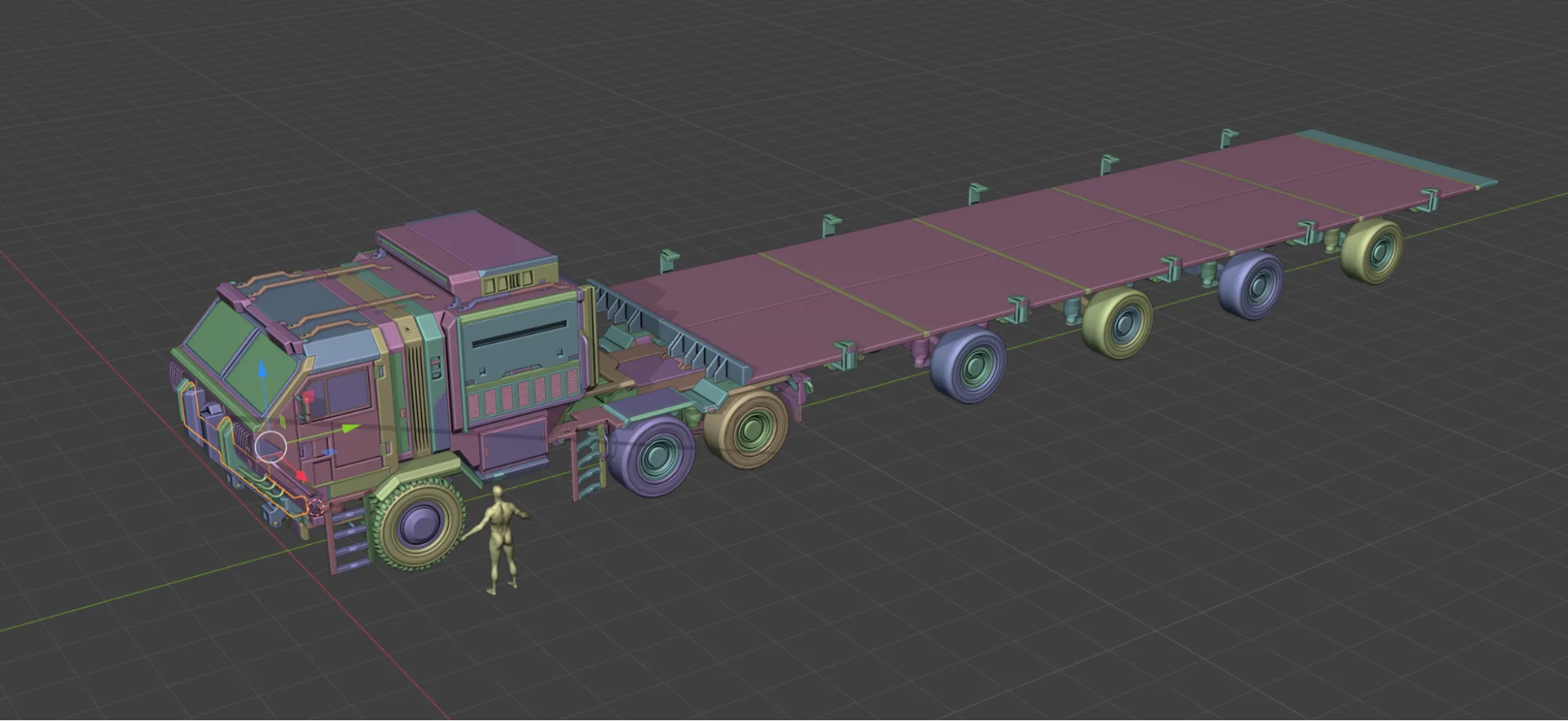
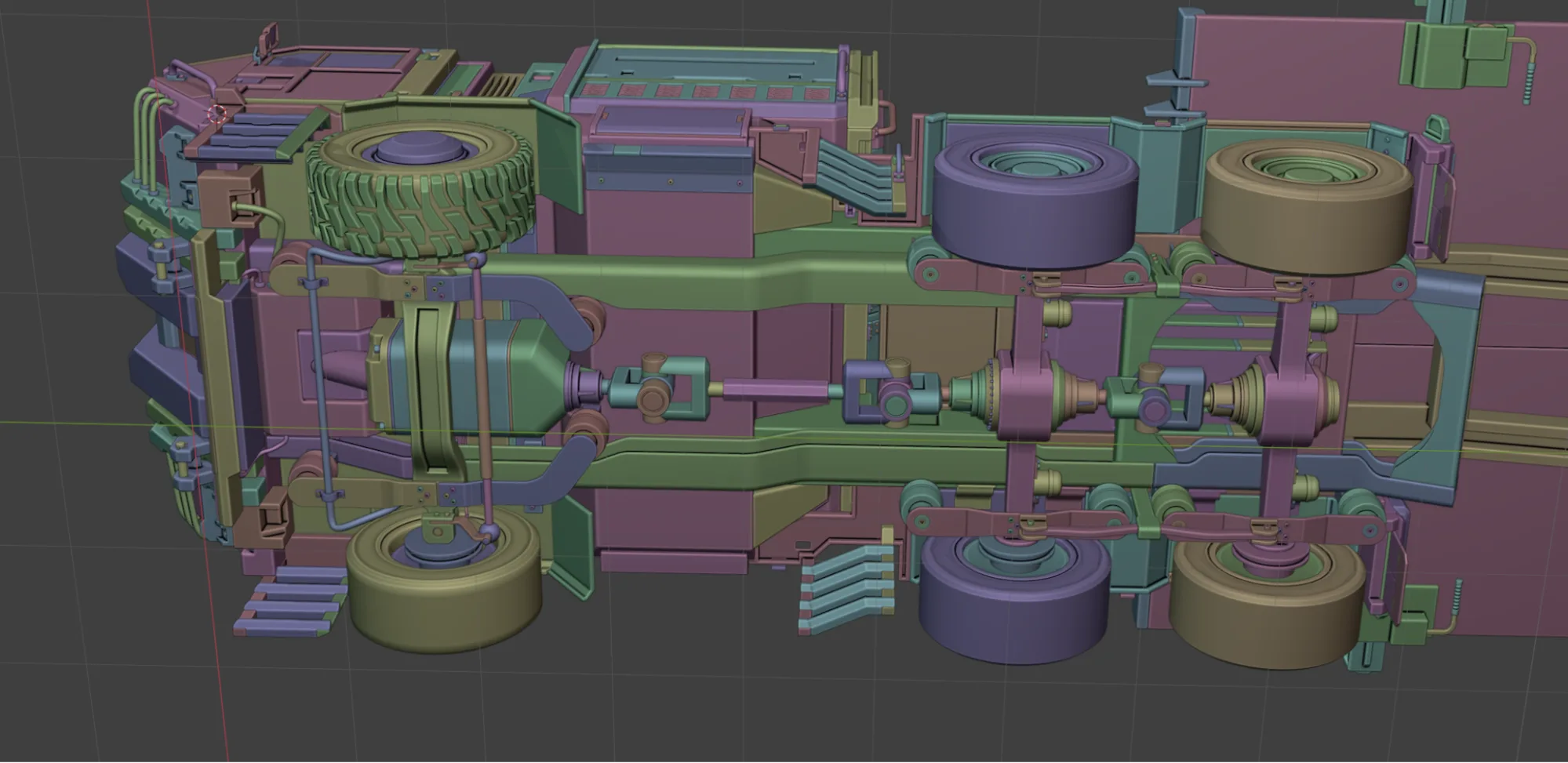
The environment team is building a huge transit truck and trailer meant to show how cargo, including the island’s largest cages, was transported. The model has reached texturing after work on its UV layout and materials. Collision and other game-ready details remain, and the truck will not be drivable. The developers say other vehicles are planned to fill that role. Its suspension, gearbox, and differential have nevertheless been modeled with mechanical detail.
Water systems received a broad pass as well. A new tiling system for lakes and oceans reduces rendering work and uses inclusion and exclusion volumes so water inside caves or structures is handled correctly. Water sounds now change as the camera moves above or below the surface, and transitions between water volumes have been adjusted. Fixes also address fish that sometimes failed to register for pickup and schools that could leave the water.
Amarok has continued building AI nesting and created tree tests to check that Arborburst trees save and render consistently. Their components can be arranged and scaled for hand placement or procedural generation without repeating the same look or hurting performance. Server owners can also switch tree destruction on or off.
Vocal sounds become easier to locate
The audio team has overhauled dinosaur vocal sounds in preparation for a more flexible attenuation system. It gives the developers more control over how sound carries as creatures grow and adds separate attenuation for non-call vocals. Improved spatial cues should make it easier to tell whether a sound comes from above, below, or behind.
Idle sounds, breaths, and passive vocals will remain close to avoid giving away a creature’s position. Calls made while attacking, being attacked, or courting will carry farther, making those actions easier for nearby creatures to hear. Avaceratops vocals are nearing completion. Wedge says the audio stutter has been fixed, and a director’s note clarifies that QA’s warning about it was written before the fix was applied.
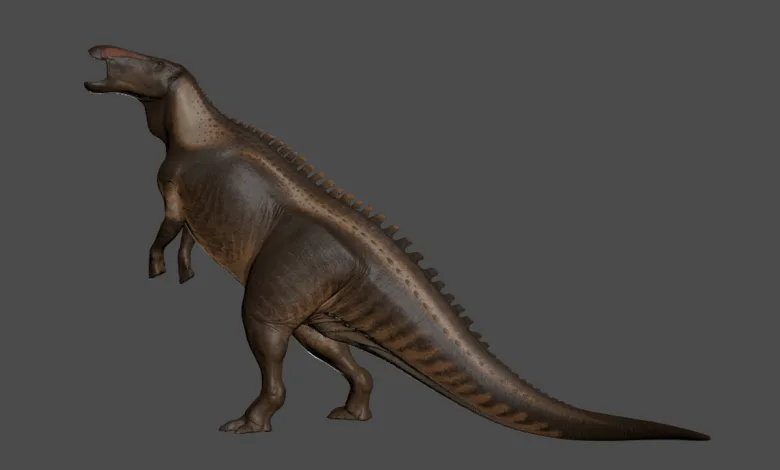
Tapwing has returned to skin concepts, including simple designs and older favorites, and is developing creature-specific versions of the Isle skull logo. The animation team has about 40 Parasaurolophus animations left, while some artists have moved on to Spinosaurus. Shantungosaurus has been rigged for testing, and a tree-clawing prototype has gone to programming.
What part of the AI nesting system would you most like to see play out in the world? For more on the wildlife and environments taking shape, stay connected with us on X, Bluesky, YouTube, Instagram, Steam, and Telegram.
The Isle
Developed by Afterthought Games