Silent Hill: Townfall’s Scottish Setting Turns Familiar Streets Into Uneasy Horror
Screen Burn built St. Amelia's 1996 shops, streets and interiors from local references, giving the horror a grounded sense of place.

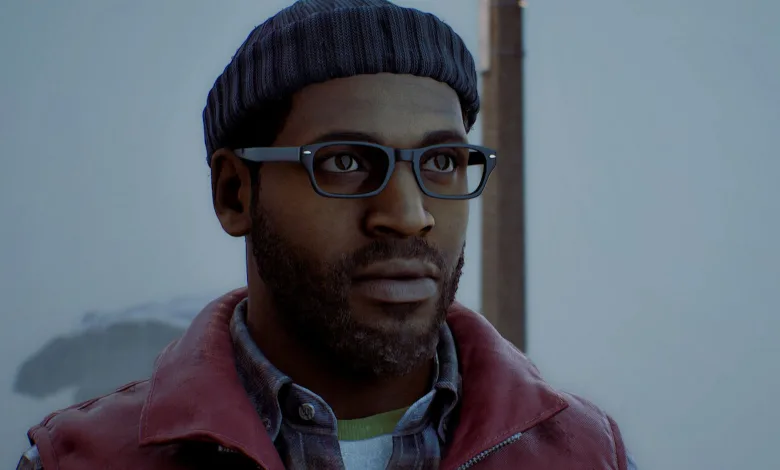
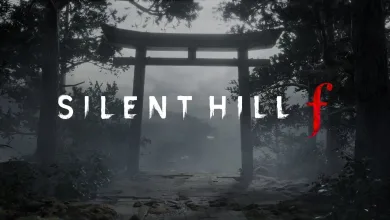
Silent Hill: Townfall is scheduled to release on September 24, 2026, but its most memorable idea may be the place where it happens. Screen Burn set the psychological horror game in a sleepy Scottish seaside town, using ordinary shops, pubs, mist, narrow streets, and familiar homes to make everyday surroundings feel unsafe.
At Gamescom, PCGamesN’s hands-on preview spent more than an hour with the game and spoke with Konami series producer Motoi Okamoto and writer-director Jon McKellan. McKellan described the contrast plainly: “If it feels nostalgic and familiar to us, it’s really weird for players.”
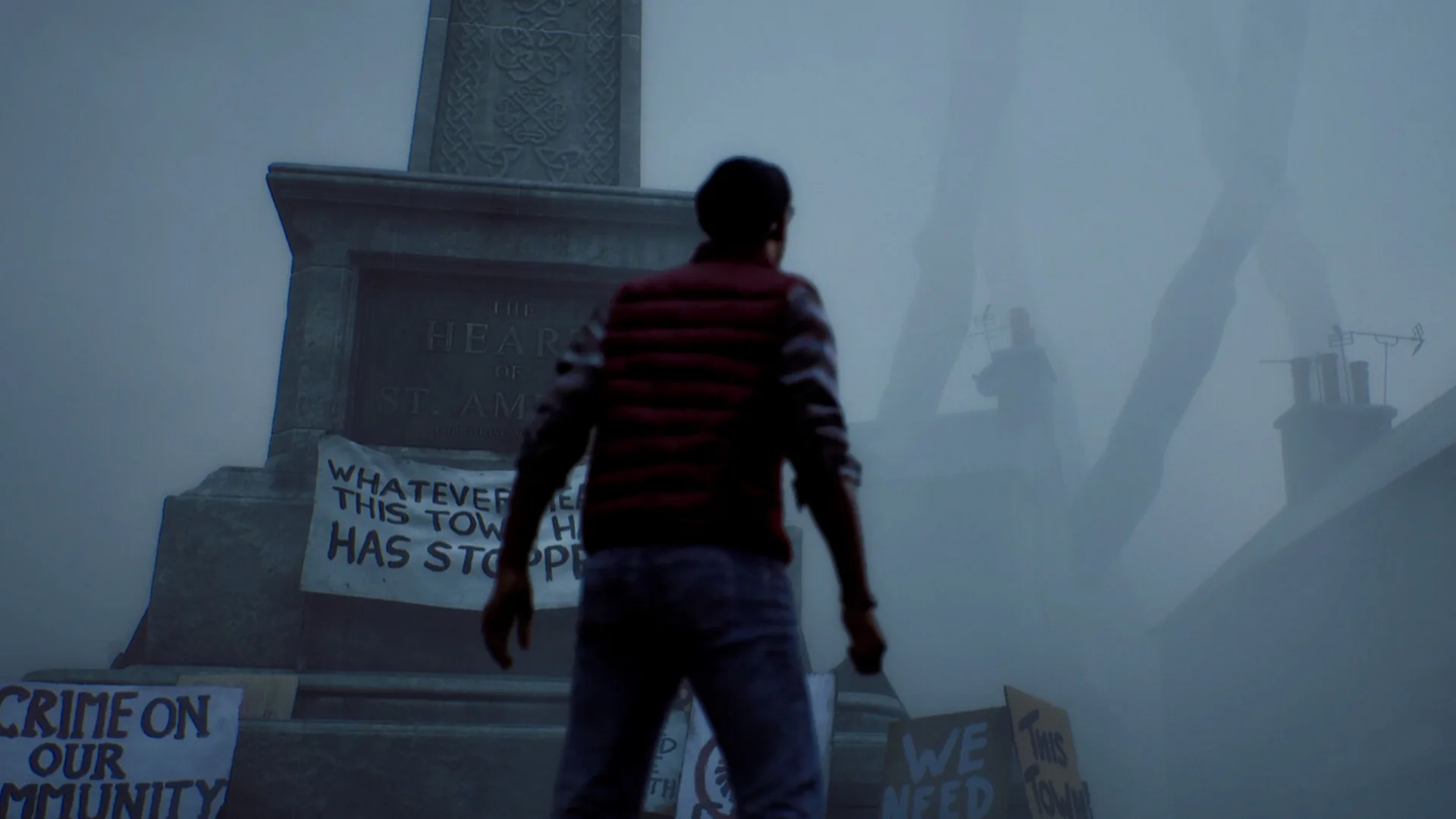
For Screen Burn’s Scottish team, the setting carries personal familiarity. Players elsewhere will approach St. Amelia without the same connection to its local shops, alleyways, pubs, and bed-and-breakfasts. A video rental shop, hanging bunting, telephone boxes, and road signs help the settlement feel lived in rather than like a generic haunted location.
Fog keeps the town from becoming too readable. Townfall’s first-person format limits peripheral vision and pulls attention toward whatever sits directly ahead. A quiet street can remain ordinary until the restricted view turns it into a narrow pocket of uncertainty.
A Scottish town built from real references
Screen Burn did not create St. Amelia as a vague horror backdrop. The developers scanned and measured places in their local area, then used those references to recreate shops and interiors. Argos catalogues also helped the team match the technology and furniture of the game’s 1996 setting.
Inside the homes, many rooms look as if their last renovation happened in the 1970s or 1980s. Patterned tiles, old heaters, heavy furniture, and appliances that have outlasted the people who bought them give the interiors a specific history instead of a general retro look. In a separate interview with PC Gamer, game director Jon McKellan explained that the team consulted decades of Argos catalogues when choosing period-appropriate televisions and other household objects.
For some British players, a familiar gas fire or kitchen layout may recall a relative’s house before the fog, empty streets, and creatures make the same space feel wrong. Older players might see warmth in the décor, while younger players can read it as distant and strange. The recognition does not need to be universal to make the homes effective. It only needs to give a room a believable life before the horror interrupts it.
St. Amelia’s dated interiors also sit within a decaying fishing community, so they feel less like polished period decoration and more like evidence of lives that have been interrupted. The horror comes from recognizing the room before realizing what happened to it.
The music follows a similar approach. Instead of relying on bagpipes, it uses percussion associated with traditional Scottish music and cuts those sounds into something stranger and more unsettling.
That balance could make Silent Hill: Townfall an accessible entry point for players who have not spent much time with the series. The setting is easy to understand at first glance, while the fog, first-person viewpoint, and growing threats steadily make familiar places feel wrong. The game is scheduled to launch on PS5 and PC on September 24, 2026.
Would St. Amelia’s familiar Scottish details make Silent Hill: Townfall a stronger entry point for you, or would you prefer a more recognizable Silent Hill backdrop? Share your take in the comments, and follow us on X, Bluesky, YouTube, Instagram, Steam, and Telegram.
Silent Hill: Townfall
Developed by Screen Burn
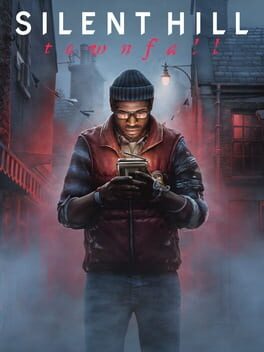
Silent Hill: Townfall is a full-length, self-contained psychological horror set against the cold, isolated backdrop of Scotland, 1996.
Players can explore St. Amelia, where fog-soaked streets, abandoned communities, and forgotten corners tell their story through atmosphere and history. Reality and delusion subtly intertwine to lure players into the depths of St. Amelia's grounded, tangible world.
- Genre Puzzle, Adventure
- Platforms PC (Microsoft Windows), PlayStation 5
- Perspective First person
- Modes Single player
- Release September 24, 2026
- Publisher Annapurna Interactive, Konami
-
Age Rating