Civilization 7’s Free Arc of Tomorrow Update Will Extend Its Timeline to 2050 in 2027
Firaxis also plans to launch the Earthrise expansion alongside the free update, with both projects still in development.

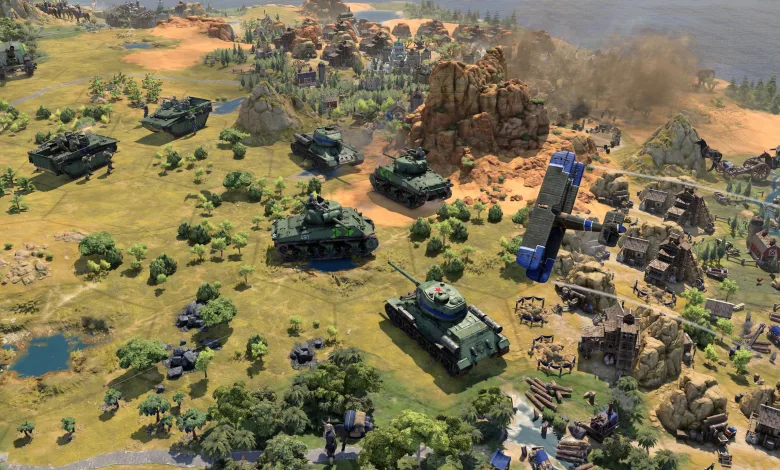
Firaxis plans to push Civilization 7 beyond its 1950 endpoint in 2027 with Arc of Tomorrow, a free update that will add a fourth Act, the Atomic Age, and extend the playable timeline to 2050. The update will likely launch alongside Earthrise, the game’s first paid expansion, although both projects remain in development and their features can still change.
Civilization 7 currently lets players use World War II bombers to drop atomic bombs, but its final age ends before several defining technologies of the nuclear era appear. Nuclear submarines and intercontinental ballistic missiles are not part of the game yet, leaving the series’ modern conflict systems notably limited.

May’s Test of Time update brought major mechanical reworks and a fresh influx of players, but Steam’s user rating remains Mixed at 51% positive. Arc of Tomorrow is Firaxis’ next attempt to give the later stages of a campaign more room to develop.
Update 1.5.0 adds a True Start Earth map
Before either 2027 project arrives, Update 1.5.0 is planned for September 2026. It will add an official True Start Earth map, placing each civilization as close as possible to its real-world starting location. Natural Wonders will also appear in appropriate locations, although the selection will change between games so the map does not play exactly the same way every time.
Terra Incognita and Shuffle will receive layouts generated with Firaxis’ Voronoi map algorithm, which should produce more varied terrain. Map loading and generation will be faster as well, with changes to resource generation and placement, plot tooltips, settlement banners, and game setup. A tile ruler will also help players plan cities.
Diplomacy is getting a practical adjustment too. Influence can keep a civilization in an alliance without forcing it to join an ally’s war, giving players more room to support a partner without turning every dispute into an empire-wide conflict.
In the same Steam announcement outlining Firaxis’ plans, the studio described Arc of Tomorrow as “even bigger in scope” than Test of Time.
Arc of Tomorrow takes Civilization 7 into the Atomic Age
Arc of Tomorrow will add new civilizations, leaders, buildings, units, and gameplay systems alongside the Atomic Age, pushing the campaign roughly 100 years beyond its current ending in the 1950s. Nuclear weapons will gain a larger offensive and defensive role, including what Firaxis calls a “fun twist” on mutually assured destruction.
Diplomacy will give players more control over the nuclear crisis. Multilateral agreements will let several leaders respond together to threats such as growing nuclear stockpiles, with possible calls for disarmament or escalation. Players can also increase warhead production and push the doomsday clock closer to midnight.
Settlements can be transformed into City States and used in proxy wars, giving players a way to fight through indirect Cold War-style conflicts instead of attacking rival empires head-on. The Manufactured Goods system will combine commodities into advanced resources such as Enriched Uranium, while the Great Works of Film system will send crews across the globe to find filming locations that can support cultural gains.
Firaxis frames the new era around nuclear anxiety, spaceflight, and the fight for justice and equality in its 35th-anniversary announcement. That gives the added age more to work with than a simple extension of the existing endgame.
Earthrise brings the space race into the campaign
Earthrise will take Civilization 7 into space, with its systems beginning much earlier than a traditional end-game Space Age. Players will be able to chart the night sky during Antiquity, name celestial bodies, and eventually establish a space agency capable of reaching farther into the solar system.
Modern Age civilizations will be able to launch early orbital missions around Earth and the Moon. Once the Atomic Age begins, players can establish a national space agency, send missions farther into the solar system, and find planetary features and resources that can strengthen their civilization back home.
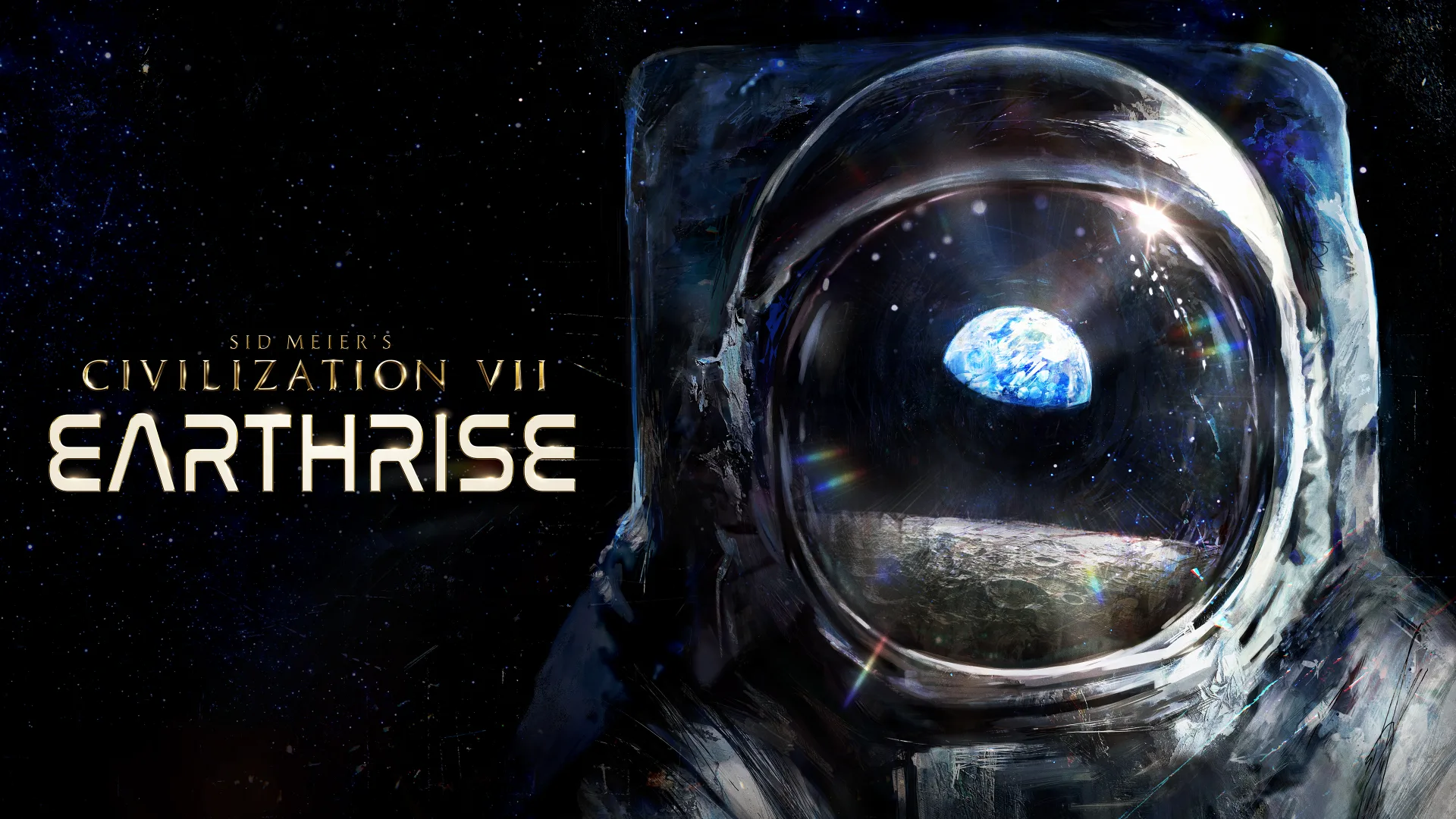
Firaxis says Arc of Tomorrow and Earthrise will both arrive sometime in 2027. Neither project has a more precise release date, and the announced systems are still subject to change before launch.
Players can try Civilization 7 for free through September 10. Anyone who decides to keep it can buy the full game for $35, down from $70, through September 17, with the UK price reduced from £60 to £30 through the Steam listing.
Will Arc of Tomorrow give Civilization 7’s later eras the depth they need? Share your thoughts in the comments, and follow us on X, Bluesky, YouTube, Instagram, Steam, and Telegram.