Paradox Reveals Afterworld, a Grand Strategy Game About Rebuilding the Wasteland
Players will lead a survivor tribe, uncover new ideas through experience, rebuild settlements, and face immortal Ancients while armed vehicles carry them into wasteland battles.

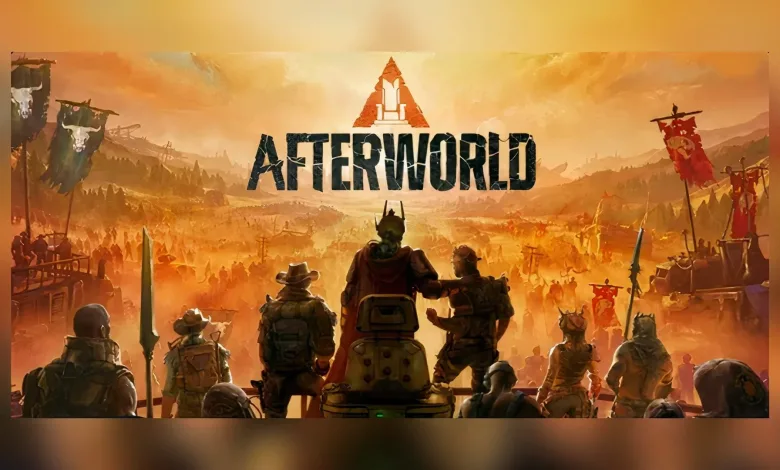
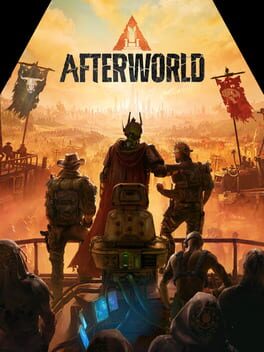
Paradox Development Studio has officially revealed Afterworld, a grand strategy game set in the ruins of post-apocalyptic North America. The announcement arrived during Gamescom’s Opening Night Live on August 25, 2026, confirming the project after an earlier leak had exposed its name and basic premise before the event.
Rather than commanding a historical nation or a spacefaring empire, players will lead a tribe of survivors trying to endure in a world damaged by a civilization-ending collapse. The game’s trailer carries clear Fallout and Mad Max influences, though Paradox is building its own systems around that setting.


One of the biggest threats comes from the Ancients, immortal leaders who lived before the Fall. They are now competing for control of the remaining world with forgotten technology at their disposal, turning the struggle for survival into a larger fight over who gets to define what comes next.
Tribe origins will offer different ways to begin a campaign. One option takes inspiration from Fallout, placing the tribe in a bunker before sending it into the wasteland to build a new life. Early survival will be rough: food and water come before prosperity, and players will be starting with very little rather than inheriting an established state.
Once a tribe has secured the basics, it can rebuild civilization or create something that looks entirely different. Players will be able to establish religions, create laws, use technology left behind by the old world, and operate convoys that support trade routes and supply lines. A settlement is not necessarily permanent, either. Tribes can migrate, remain nomadic, or turn to raiding when conditions become too dangerous.
Motorized vehicles will also shape how tribes move and fight. They provide a primary way to travel through the wasteland, while armed cars can battle rival groups. Afterworld will shift between a broad, top-down map for planning across the wasteland and a closer terrain view where squadrons of heavily armed vehicles clash. Settlement management and directing those battles are part of the same effort to keep a community functioning.
The announcement’s first look at Afterworld is available below:
Afterworld’s ideas tree is revealed through discovery
Afterworld’s research system is called the ideas tree, and it does not present the entire progression path at the beginning of a campaign. New branches appear as a tribe encounters different parts of the world.
Finding a river can teach a tribe about irrigation and unlock that idea. Meeting another group with an established religion can lead to the organised religion idea. The result is a progression system tied to what happens during a campaign instead of a menu of technologies waiting to be selected from the start.
Procedural generation will add variation between runs. The terrain and geography remain fixed, but tribes, resources, and dangers can change when a new campaign begins. A river will still be available for discovering irrigation, while many of the other events and encounters around it may be different.
Development is being led by Dan Lind, who previously served as game director on Hearts of Iron 4. The design also draws from Paradox’s other strategy games, including the origin choices and progression ideas associated with Stellaris, along with role-playing elements that recall Crusader Kings.
Lind described Afterworld as Paradox’s first non-historical setting in a decade and said the team had built a world from scratch before destroying it through the backstory. Fragments of the old world will remain scattered across the map, while the societies that follow will be shaped by player decisions.
Paradox has not announced a release date in the reveal details provided so far. For now, Afterworld stands as a post-apocalyptic alternative to the fantasy-focused grand strategy and 4X games that fill much of the genre, with survival, migration, discovery, and vehicle warfare at the center of its campaign design.
What do you think of Afterworld’s wasteland setting and discovery-driven progression? Share your thoughts in the comments, and follow us on X, Bluesky, YouTube, Instagram, Steam, and Telegram.
Afterworld
Developed by Paradox Interactive