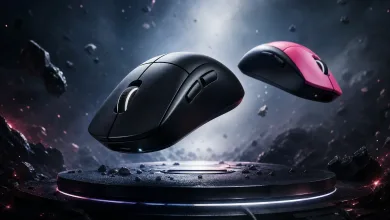
A proposed class action filed in California asks Logitech to return part of a $61 million tariff refund to customers who say they paid higher prices for the company’s mice. The case is being led by SJK Development, a construction company, and a California resident who both purchased Logitech products at prices they say were affected by tariffs.
The complaint was filed in the U.S. District Court for the Northern District of California, San Jose Division. It alleges that Logitech and its U.S. subsidiary raised prices across their product catalog to account for tariff costs, then failed to pass the resulting refund back to customers after those tariffs were declared unlawful.


What the complaint says about Logitech’s pricing
Logitech did not publicly announce a broad price increase, but the filing points to company executives discussing U.S. pricing and profits during later earnings calls. The complaint cites April 2025 pricing actions by Logitech’s U.S. subsidiary and says the company’s gross margin increased by about 130 basis points year over year during the fourth quarter.
According to the filing, CFO Mr. Anversa said the pricing actions, along with favorable currency movements, more than offset the effect of tariffs and promotions. The complaint links those claims to Logitech’s earnings-call transcript.
Why the $61 million refund is central to the case
The dispute concerns tariffs imposed under the International Emergency Economic Powers Act. In February 2026, the U.S. Supreme Court ruled that the president did not have the authority to impose those tariffs; the Congressional Research Service’s summary of the ruling provides additional context.
Logitech later received $61 million through the government’s tariff-refund process, according to Reuters’ report on the payment. The proposed class action asks the court to require Logitech to distribute a share of that money, with interest, to customers covered by the case.
The complaint argues that Logitech benefited twice: first from the higher prices allegedly charged to cover tariff costs, and again when the government returned those duties. The filing seeks a court judgment on behalf of affected buyers, but it does not establish that the class has been certified or that any customer will receive a payment.
The case is part of a broader wave of legal disputes involving tariff refunds and consumer pricing. Nintendo, Sony, and Microsoft have also faced similar actions, while a separate case involving Nintendo has made a comparable argument about returning tariff-related money to customers, as Ars Technica reported.
Tell us what you think about the lawsuit in the comments, and follow us on X, Bluesky, YouTube, Instagram, Steam, and Telegram.