Star Wars: Galactic Racer Has More Going for It Than Its License Ahead of October 6
Fuse Games' racer will launch on October 6, 2026, with three campaign vehicle classes, a token-based restart loop, and online multiplayer with full cross-platform play.

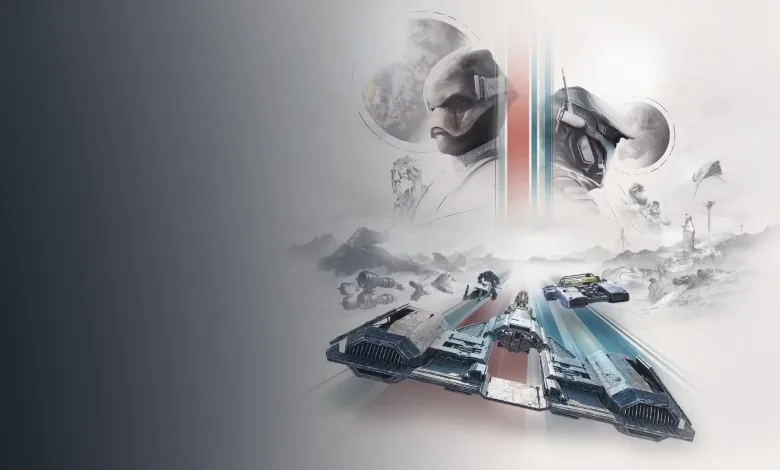
Star Wars: Galactic Racer will arrive on October 6, 2026, and its pre-release build is already making a case for itself as a racing game first and a licensed game second. Fuse Games’ racer combines three distinct vehicle classes with a roguelite campaign, an arcade mode, and a story set after the Empire’s collapse.
The hands-on session documented in DualShockers’ preview focused on the campaign and arcade modes. Its strongest impressions centered on tight controls, clear differences between vehicle types, and a campaign structure that adds real risk to every race.


Three vehicle classes change how each race feels
Galactic Racer places players in the Galactic League, an unsanctioned circuit that grew out of the early years of the New Republic. Shade, a lone racer pursuing revenge, competes in a world where syndicates sponsor pilots and fortunes can change between races. The characters encountered during the preview were supported by voice performances that gave the story more presence than a typical racing-game setup.
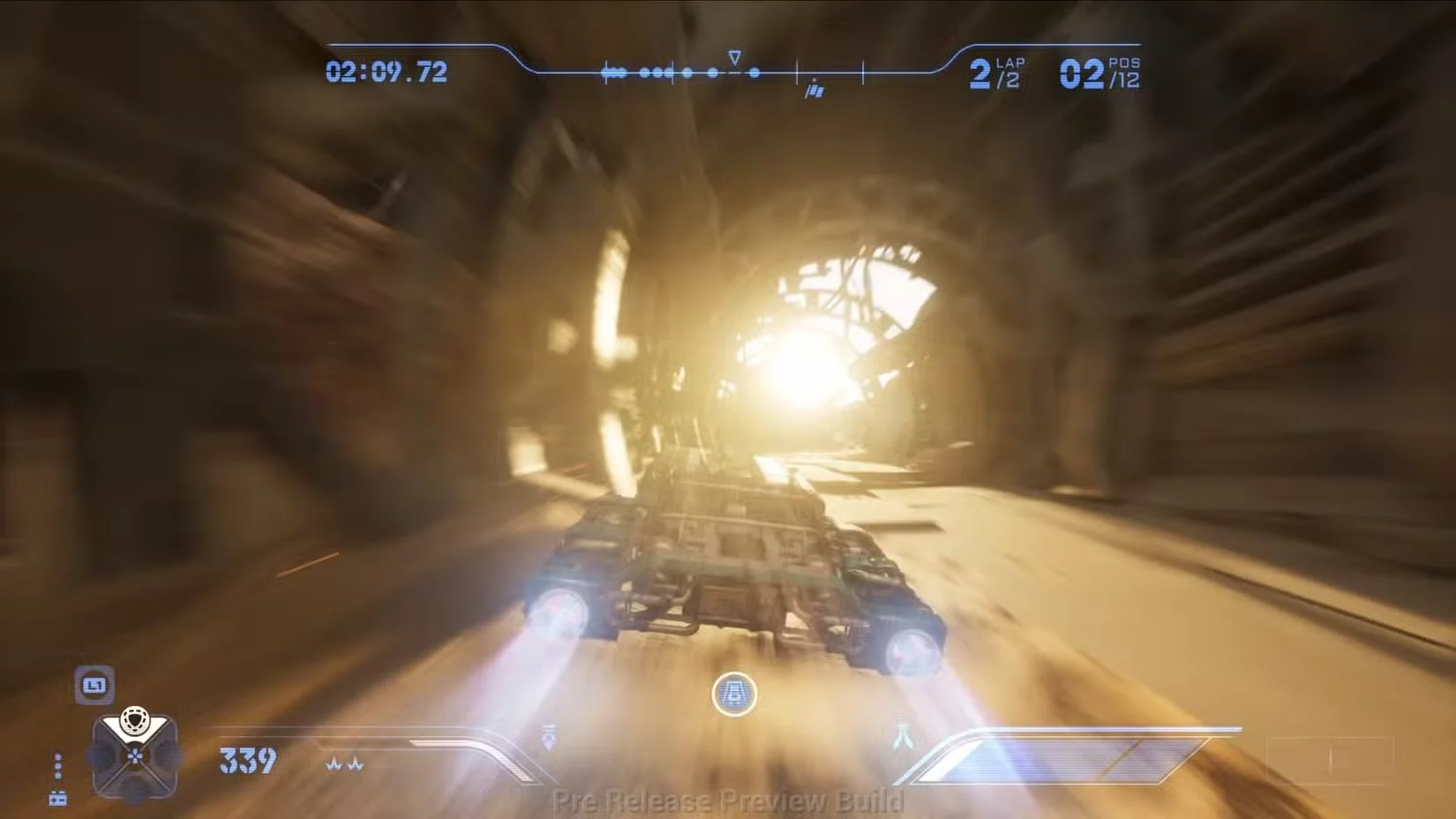
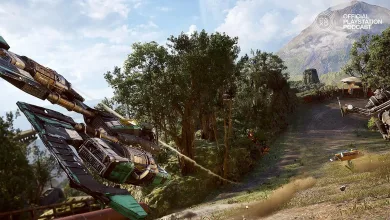
The campaign includes landspeeders, speeder bikes, and skim speeders. Each class handles differently enough to affect how corners and straightaways are approached, rather than simply changing the look of the vehicle. Landspeeders are the most dependable option, while skim speeders can activate Knife’s Edge to tilt sideways, reduce their profile, and slip past obstacles. Speeder bikes feature the Kinetic Burst boost, but trade some control for extra speed and can take less punishment when things go wrong.
Control response was one of the build’s clearest strengths. Steering and acceleration reacted predictably, so crashes felt tied to missed turns or poor positioning instead of inconsistent handling. That precision also made mistakes easy to own, especially on unfamiliar tracks.
The roguelite campaign puts every race at risk
The campaign uses League Entry Tokens to determine how long a run can continue. If a race is lost without earning more tokens, the campaign ends and the run starts again from the beginning. Successful races can award additional tokens and keep a tour alive. The preview found the system demanding on medium difficulty, but not arbitrary, leaving room for higher settings to test players who want a tougher race.
Each galactic tour offers branching paths, with occasional choices between three temporary upgrades. Nodes can lead to short challenges, standard races that require a high finish, or elimination events that remove the lowest-ranked racers. A poor result becomes especially dangerous during an elimination event, since losing there can threaten the rest of the tour.
Temporary upgrades can reshape a run around more than speed. Drifting and boosting form the foundation, but players can build around the aggressive Ramjet boost, takedowns, shields, flamethrowers, or redlining, which means staying in the risky overheat zone for an advantage. Ramjet brings its own danger: overheating it too far can destroy the speeder.
Restarting does not erase everything. Vehicle-stat enhancements carry into later attempts, giving each failed run a practical benefit. When a preferred vehicle has been upgraded, credits can also go toward cosmetics. Customization extends across several vehicle components and stats, although the preview build did not include color customization. It was unclear whether that omission came from the demo or represented a final design decision.
Shade’s story has a playful good-cop, bad-cop dynamic with Hibi, while the main villain is written to be deliberately unpleasant. Players familiar with the wider Star Wars universe may get more from the random encounters, which appear to draw on characters from across the franchise.
Track visibility is the biggest concern
Not every part of the build landed as cleanly. Some track boundaries were difficult to read, causing sudden wrong turns and out-of-bounds penalties. Familiarity with each course may reduce the problem over time, but the issue stood out during the preview because the driving itself was so responsive.
Collisions and combat abilities create another source of surprise. Another racer can slam into Shade or catch the vehicle with an ability from outside the player’s view. That frustration will be easier to accept in a normal race than during an elimination event, where a lost token can threaten an entire run.
Arcade mode lets the podracers go wild
Arcade mode removes the campaign’s token system and story obligations, allowing players to race across different tracks and vehicle types without risking a run. It also provided the first chance to drive a podracer, and the speed difference was immediate.
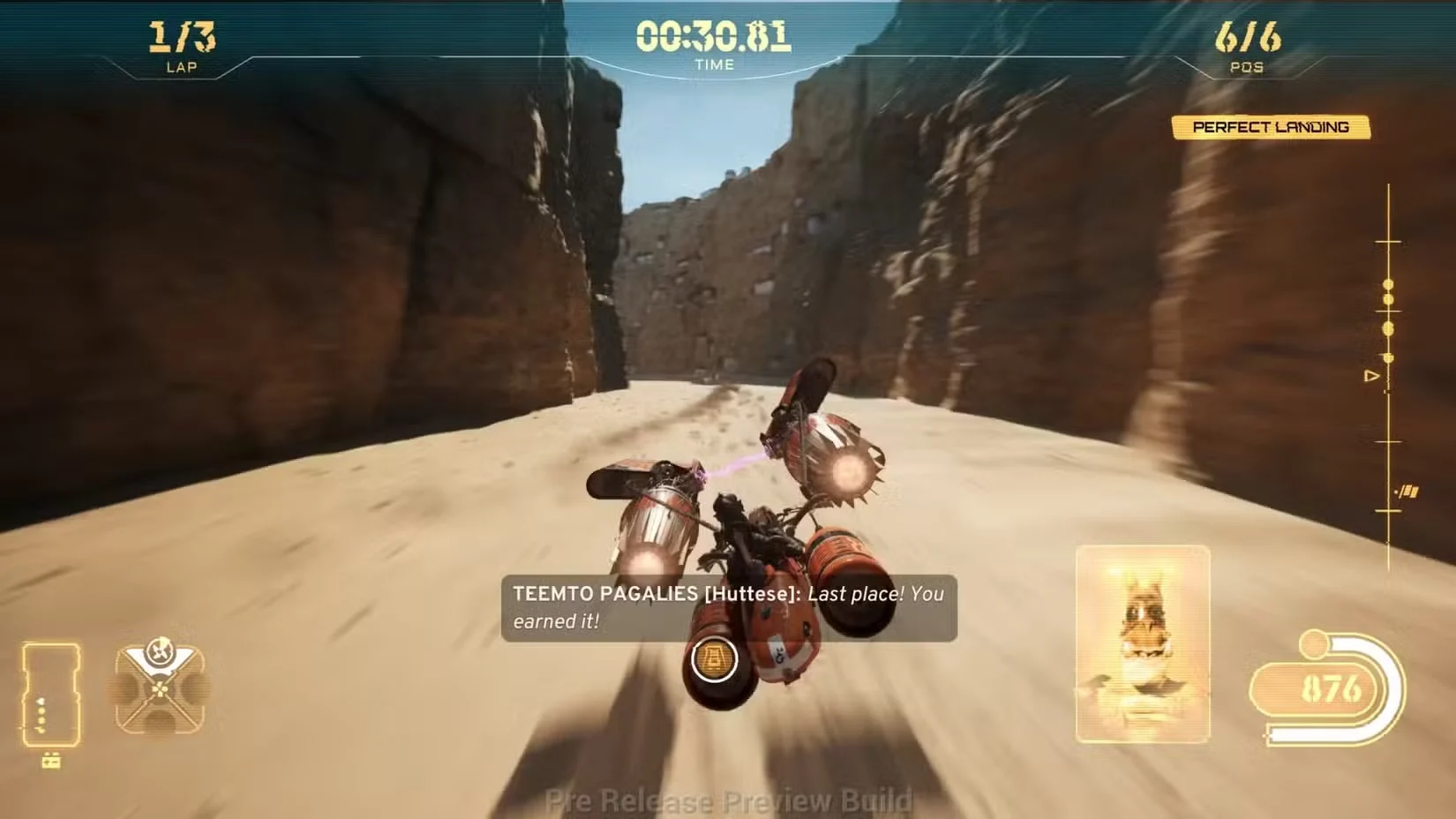
Other vehicles felt fast in the familiar way of a well-tuned racer. Podracers felt almost out of control by comparison, turning every straight into a burst of speed and every mistake into a possible disaster. That volatility made them one of the most entertaining parts of the session.
Star Wars: Galactic Racer still has questions to answer before launch, particularly around track readability and the full depth of its upgrade system. Even so, the preview build showed a racer with a clear identity: responsive driving, genuinely different vehicle classes, a persistent upgrade loop, and a campaign that gives every race consequences.
The game will also include online multiplayer with full cross-platform play when it arrives on October 6. Racing fans who have no attachment to the Star Wars universe may still find plenty to like in the driving and campaign systems.
Will you be trying Star Wars: Galactic Racer when it launches? Share your thoughts in the comments, and follow us on X, Bluesky, YouTube, Instagram, Steam, and Telegram.