
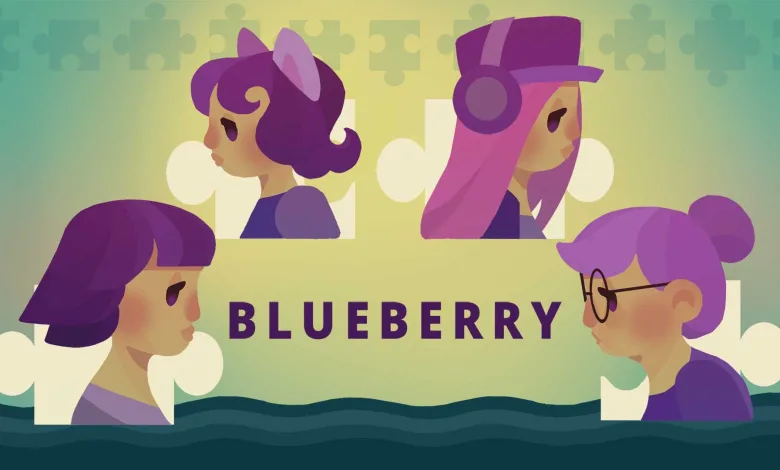
Blueberry is a narrative platformer about trauma, family, memory, and the possibility of healing. The game follows its title character from childhood into old age, using platforming, dialogue choices, and memory-based minigames to show how difficult experiences can affect a person over time.
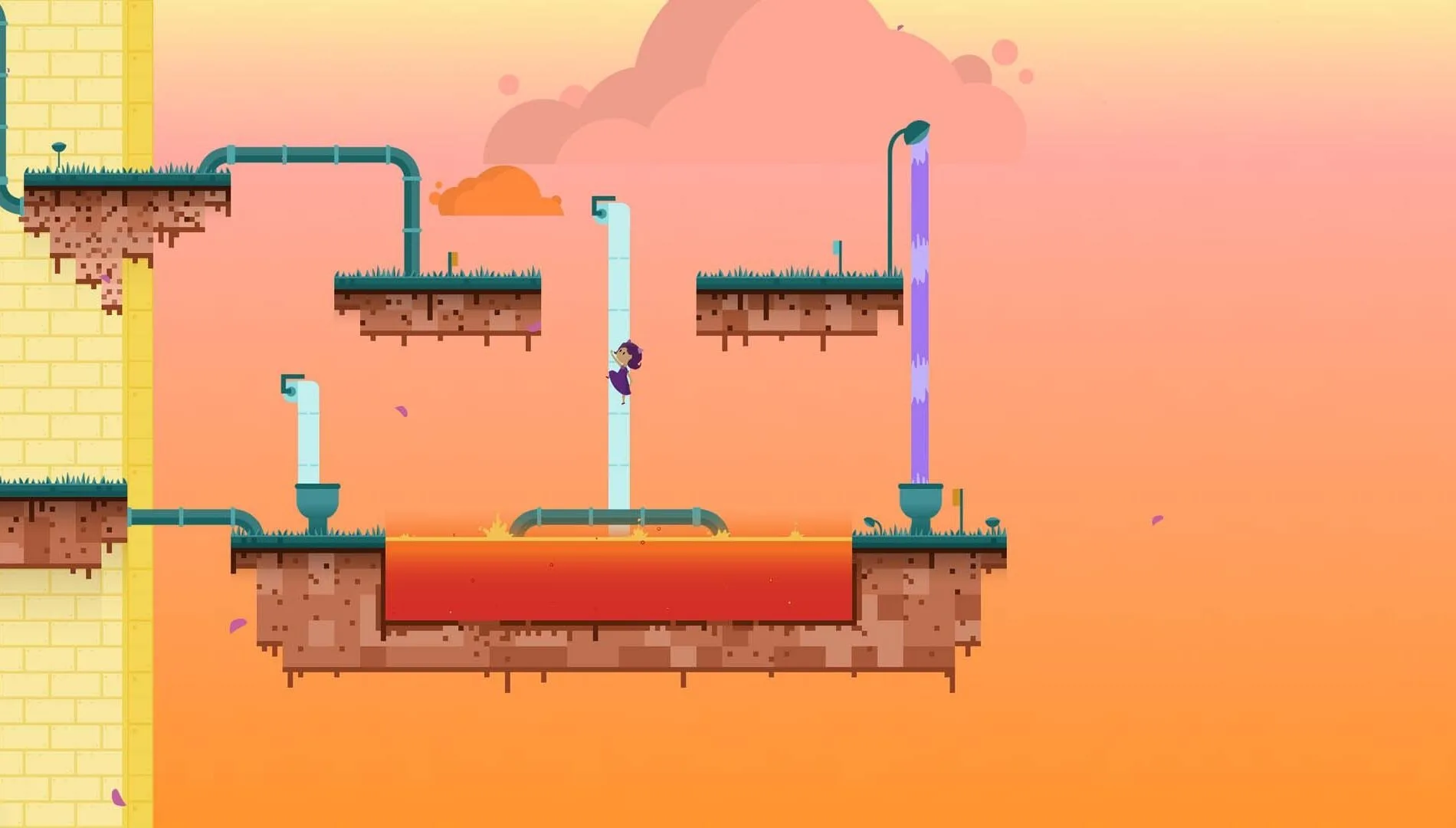
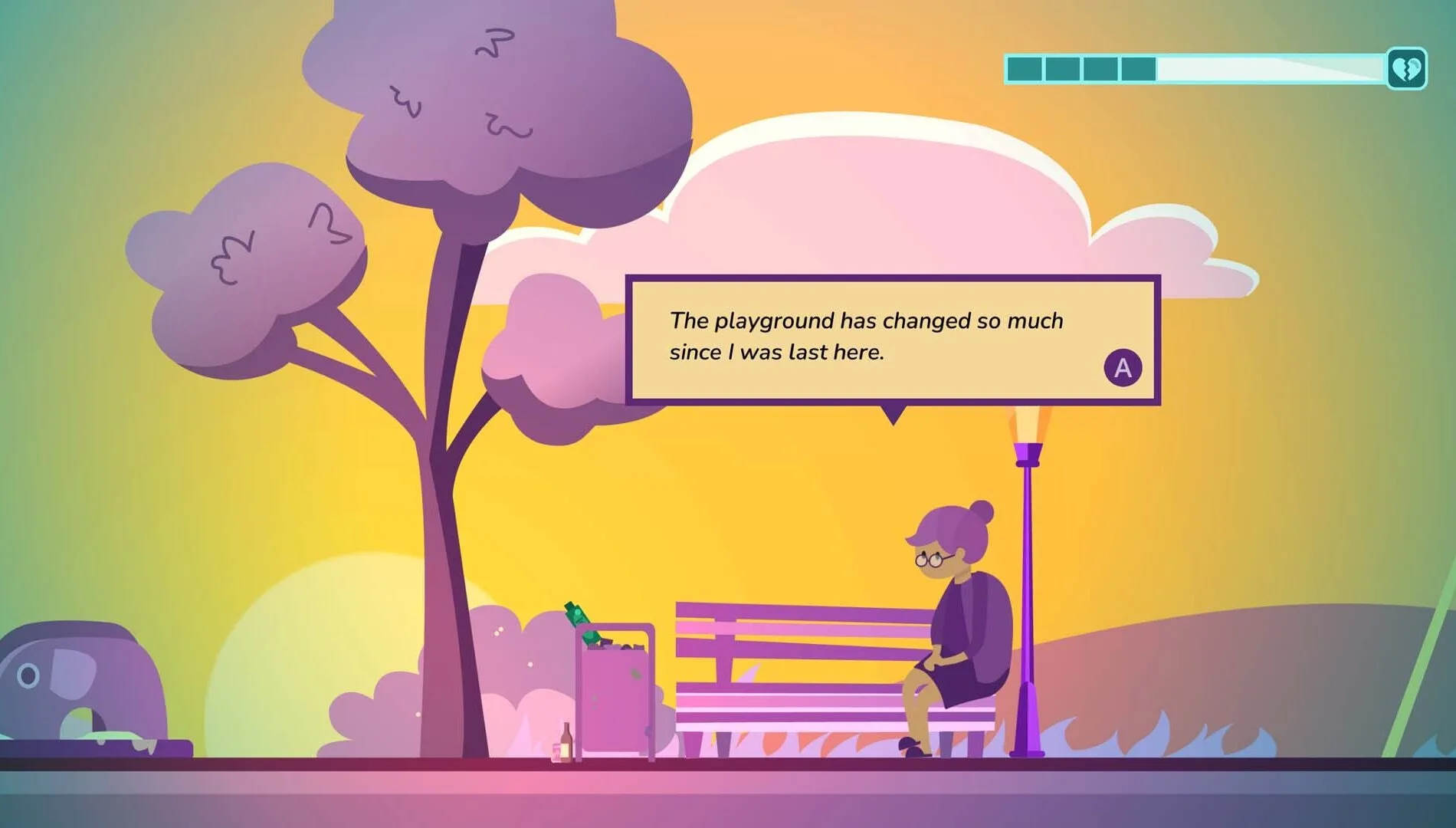
An Xbox Wire feature about Blueberry’s design explains how the game approaches these subjects through systems that reflect its story. The adventure begins with an elderly Blueberry thinking about her estrangement from her son, Emilio. Her memories then take players back to a colorful childhood world filled with talking toys and platforming challenges.
A child caught in the middle
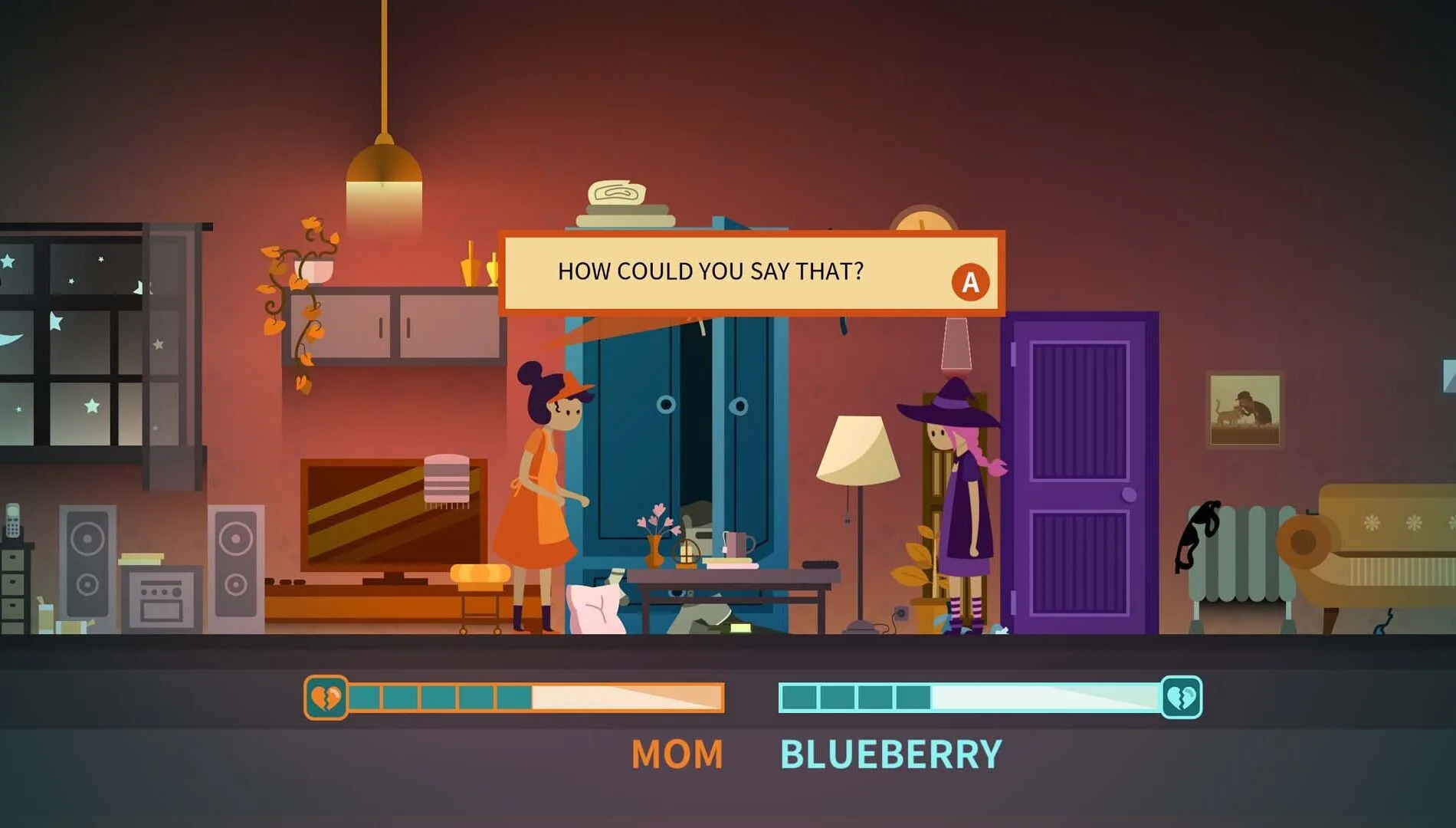
Blueberry’s parents struggle with their own problems, leaving her to manage emotions that are far too large for a child. Dialogue choices can place her in situations where she tries to calm her parents while also dealing with her own rising distress.
That conflict is represented by the game’s “blues bar,” an inverted health meter that players must keep as low as possible. As it rises, the world loses its color. Some encounters also give other characters their own blues bars, turning conversations into word battles where players must decide whether to protect Blueberry’s wellbeing or help one of her parents.
Memories that change with age
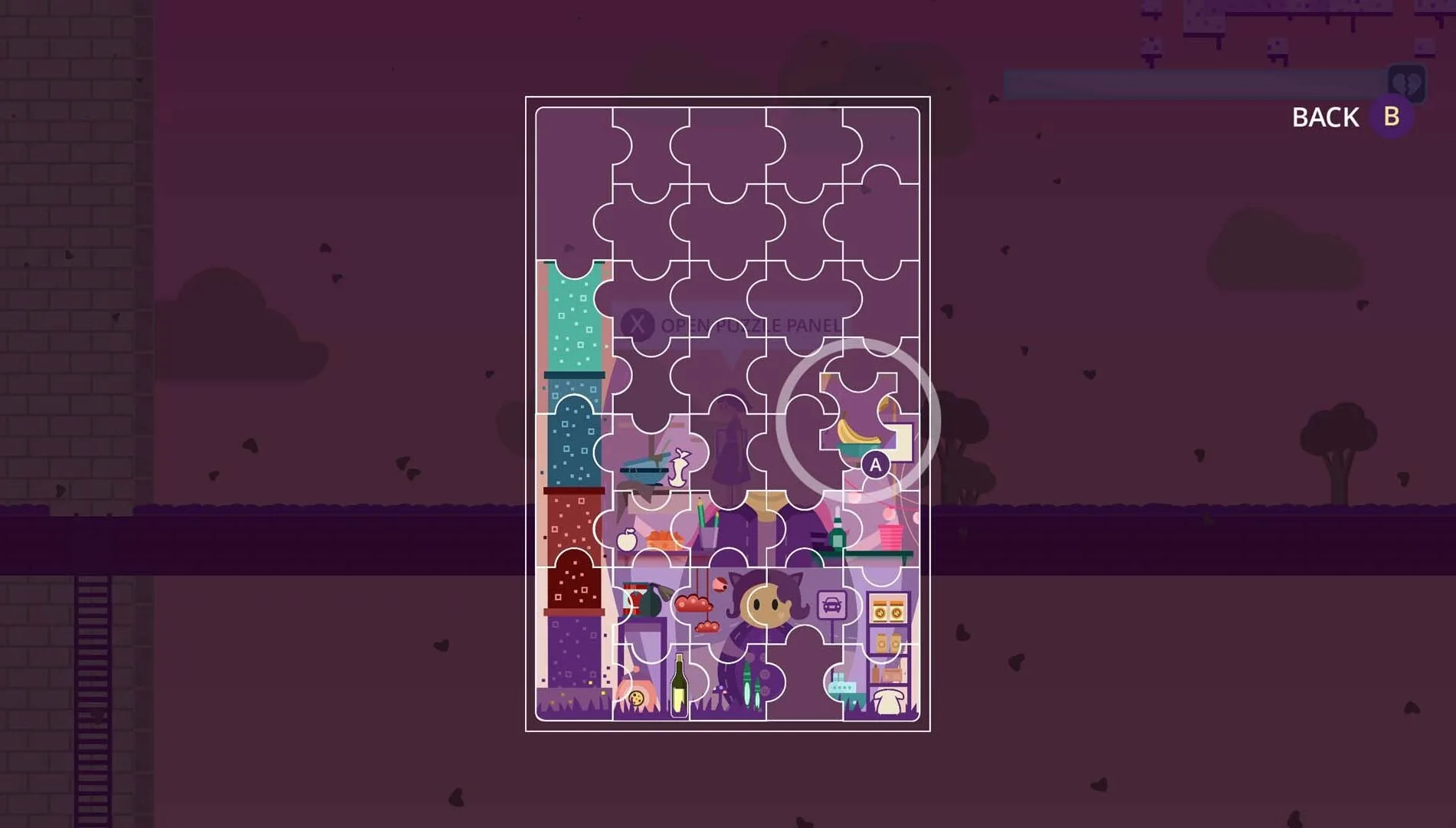
Memory scenes form another major part of the game. Each one is presented as a minigame that adds a piece to a larger memory puzzle. The puzzle begins with missing sections, and returning to earlier memories can reveal pieces that were unavailable before.
These scenes also change as Blueberry grows older. Revisiting a painful event may bring back details she could not access previously, while her appearance reflects the life stage connected to that memory. A moment from her parents’ divorce, for example, can pull her back into the body of a child even when the surrounding chapter takes place during her teenage years.
Psychology informs the game’s systems
The game’s creator worked with three psychologists from Behind The Screens, a consulting group that advises game developers on psychology-related topics. Their work helped shape the game’s content notes, its depiction of depression, trauma, and addiction, and the mechanics tied to Blueberry’s emotional state.
The design treats memory as something that can change whenever a person recalls it, rather than as a fixed record. Traumatic memories are presented differently because they can feel immediate, bringing physical reactions such as a faster heartbeat, sweating, and heavy breathing. Blueberry’s return to the age connected to each recovered memory is one of the game’s clearest ways of expressing that idea.
The story aims to help players who have faced similar struggles feel understood, while also showing other players how depression and trauma can affect someone’s life. Choices can alter Blueberry’s relationships and lead to different outcomes. In some paths, she is able to reconnect the fragmented parts of her mind and make peace with her past. In others, that healing remains out of reach.
Blueberry is available now on Xbox through its official Xbox store page. Tell us what you think about the game’s approach to trauma and memory in the comments, and follow us on X, Bluesky, YouTube, and Instagram.
