On June 19, 2026, SCS Software used its latest Under the Hood feature to shine a light on a team most players never see: the people checking Euro Truck Simulator 2 and American Truck Simulator maps before anyone else gets behind the wheel. The studio spoke with Ivan and David, two leads on the in-game QA side, and the message was clear. Map testing is less about taking a scenic drive and more about picking apart roads, systems, and edge cases until the whole world behaves.

David, the ATS map QA lead, said he started as a junior tester at 20 and is now 28. He organizes testing across ATS map DLC, works with map design leads, and helps handle the nastier bugs. Ivan has spent a little more than six years at SCS and now leads the world map design QA team for ETS2, where a 20-person group covers both truck simulators. The pair also reflected on how much the studio has grown, from around 100 employees when David joined to more than 400 today.

Testing a map means more than driving it
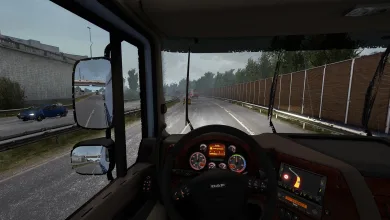
One of the clearest points from the interview was that map QA is methodical work. David pushed back on the idea that testers spend all day playing. He said the final stages do include normal play, but most of the process is repeated passes over the same roads, camera angles, and debug tools while the team checks for different problems each time.
The checklist is broad. In the early stages, the focus is on road layout, driveability, economy setup, and whether things like gas stations, companies, and truck dealers are placed where they should be. Later on, the team shifts to AI routing, signage, visual polish, performance, road markings, traffic lights, collision issues, terrain gaps, floating objects, and even audio. In other words, just about anything tied to a map can become a QA problem.
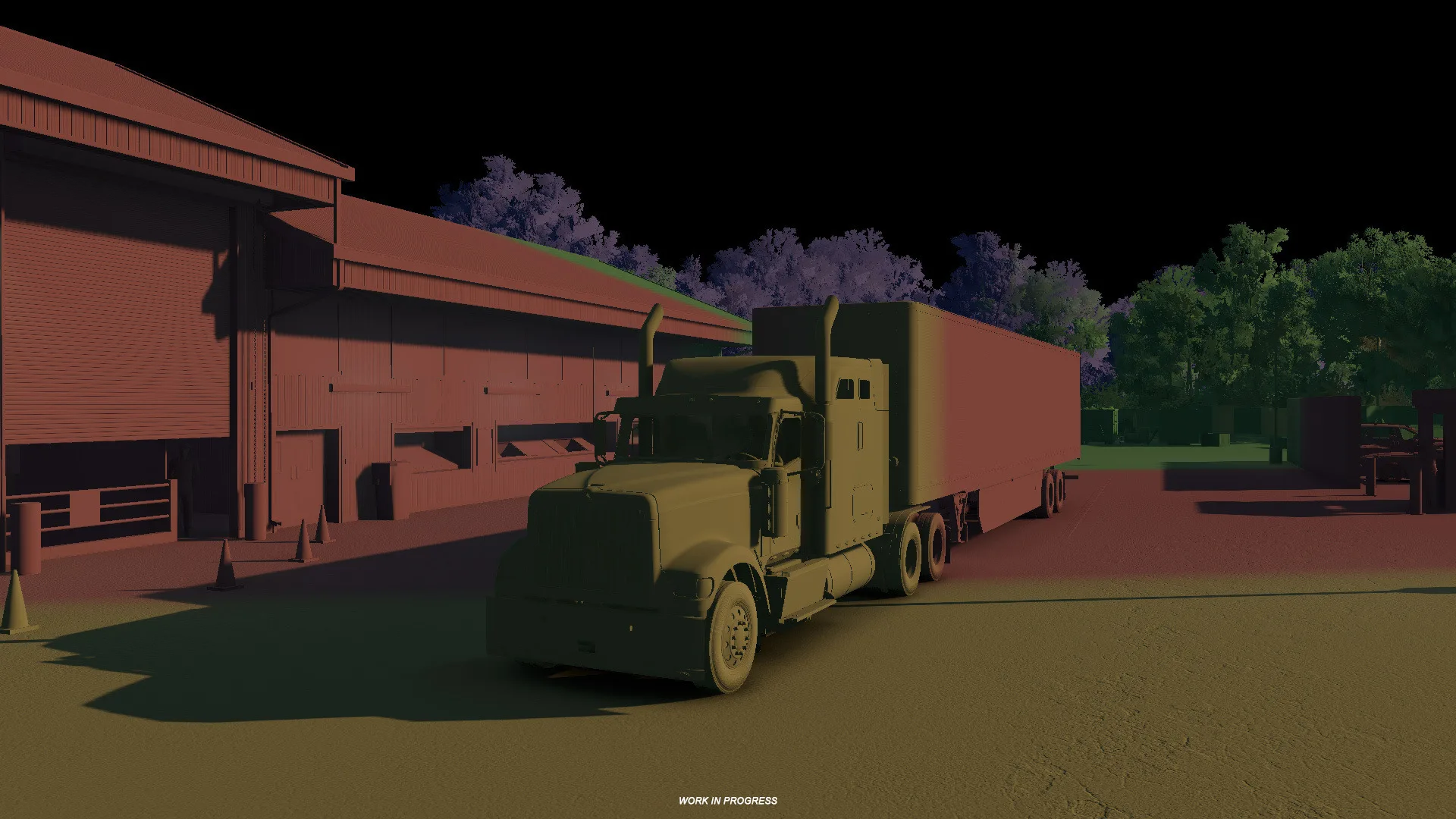
SCS said its testing process is broken into four iterations plus an economy test. The first pass checks whether roads, turns, and slopes can handle long trailers and weak engines. The economy test makes sure companies generate jobs properly and cities offer enough destinations. Later passes tighten the visual and gameplay side until the route is ready for release.
That workload scales fast. Smaller projects like special event maps can be checked in a few days, while larger expansions can take thousands of hours. Every road, city, company, gas station, sleep area, tollgate, and ferry gets tested at least four times by different people. The studio also pointed to bug-count totals that underline the size of the job. The Mantis tracker recorded 6,849 reports for the Illinois DLC, and South Dakota had generated 6,318 reports so far.
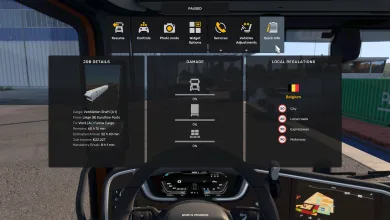
Coordination matters just as much as spotting the bug in the first place. QA works closely with map designers and artists, and the team leans on an internal reporting tool that sends issues straight from the game or map editor into the central bug database. Within minutes, the report can show up inside the editor so designers can see the problem in their own workspace and act on it faster.
Ivan and David also made a point of saying community feedback still matters. Internal testing catches a lot, but players often spot edge cases, real-world geography mistakes, or odd situations that are hard to reproduce in-house. Their message to the community was simple too. The people building the maps and the people testing them both want the same thing, a road network that feels solid once it reaches players.
If you have thoughts on the QA process, share them in the comments below. You can also keep up with us on X, Bluesky, YouTube, and Instagram.
Source: Steam Community