Tides of Tomorrow makes player choice the star, even when the rest drags
DigixArt's new story-driven RPG leans hard on Social-Link systems, with a launch date listed for April 22, 2026 and a short runtime that invites replaying key decisions.

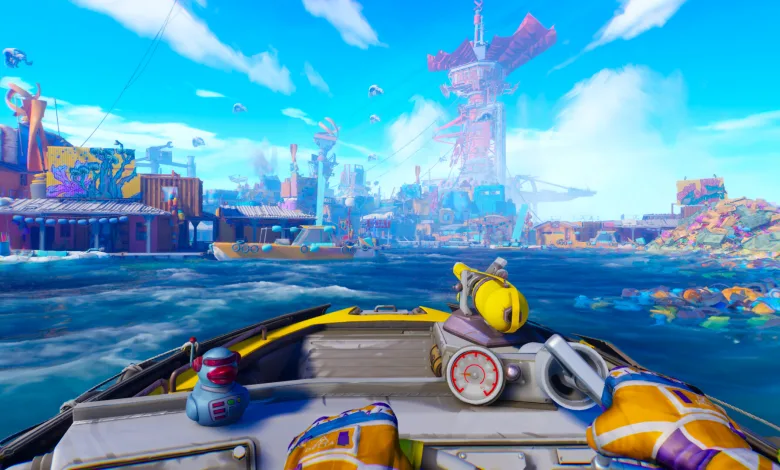
Tides of Tomorrow is a choice-driven RPG from DigixArt that turns other players’ decisions into part of your own run, and that core idea does a lot of the heavy lifting. The game is a little rough around the edges, but its branching structure, strange world, and late-game payoffs give it enough bite to stand out.
Built around a system called Social-Link, Tides of Tomorrow lets players see the choices made by someone they follow, including dialogue picks and the route they took through each level. That can make one run feel like a conversation with another player’s story, even when you never interact directly.


The setup is unusual. You play as a Tidewalker, a person pulled from the past with no memory because of plastemia, a disease tied to the game’s flood-and-trash world. Humanity is living in a setting described as 90% water and 100% plastic waste, and your job is to keep moving through missions while trying to find a way to save everyone.
Choices feed into six categories, and those decisions shape how your Tidewalker develops over time. The game also makes you manage resources carefully because every visit to a story location pushes the disease forward. Bottles of Ozen can delay the end, whether you find them in the world or buy them with scrap, and there are even places where you can give them to other Tidewalkers at a cost to yourself.
That system sounds clever on paper, and the review found real appeal in it, but the moment-to-moment play often moves slowly. Much of the action comes down to walking through levels, hunting for secrets, and talking through the next decision point. A few boat-focused sequences, including ship-to-ship combat and a race, break things up, but they do not carry the full experience.
The Social-Link idea also creates friction because other players’ choices can feel more important than your own, especially early on. You can choose who to follow at the start of a mission, but you only see their two strongest categories, not the full context of what happened in their run. That makes the system intriguing, yet also a little undercooked.
Even so, the game’s bigger decisions appear to land with more force. One example centers on whether to experiment on animals to search for a cure to plastemia, a choice that can affect both humanity’s survival and the ecosystem. Those moments do not always have a clean answer, which is part of what gives the game its tension.
Visual presentation also works in the game’s favor. The world mixes bright colors with harsh imagery, including plastified bodies and damaged environments, while sunsets over piles of trash and coral-filled vistas give the setting a striking contrast.
If you have thoughts on Tides of Tomorrow, share them in the comments. You can also follow us on X, Bluesky, YouTube, Instagram.
Tides of Tomorrow
Developed by DigixArt

From the makers of Road 96 comes a groundbreaking narrative adventure. Your choices shape the story for other players! Follow in your friends’ footsteps, face the consequences of their actions and choose the fate of this plasticpunk world.
- Genre Adventure
- Platforms Xbox Series X|S, PC (Microsoft Windows), PlayStation 5
- Modes Single player
- Release April 22, 2026
- Publisher THQ Nordic
-
Age Rating