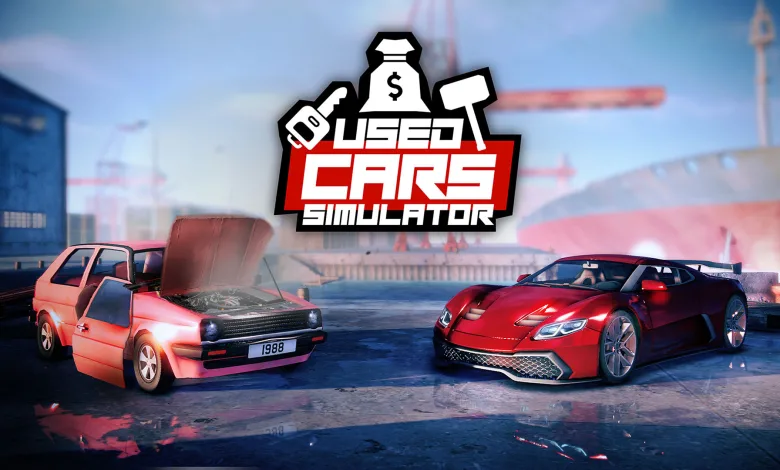
Used Cars Simulator is available on Xbox Series X|S, and its core loop is easy to understand even when the deals are not. Inspect a vehicle, negotiate the price, repair what is worth saving, and sell it before the project swallows your budget. Xbox Wire’s guide also points to quests, desert searches, physics experiments, and police trouble outside the shed.
Starting with limited money and an old workshop makes every purchase count. These five habits can help keep your car business moving without taking all the fun out of the chaos.
Inspect the car before planning the repair
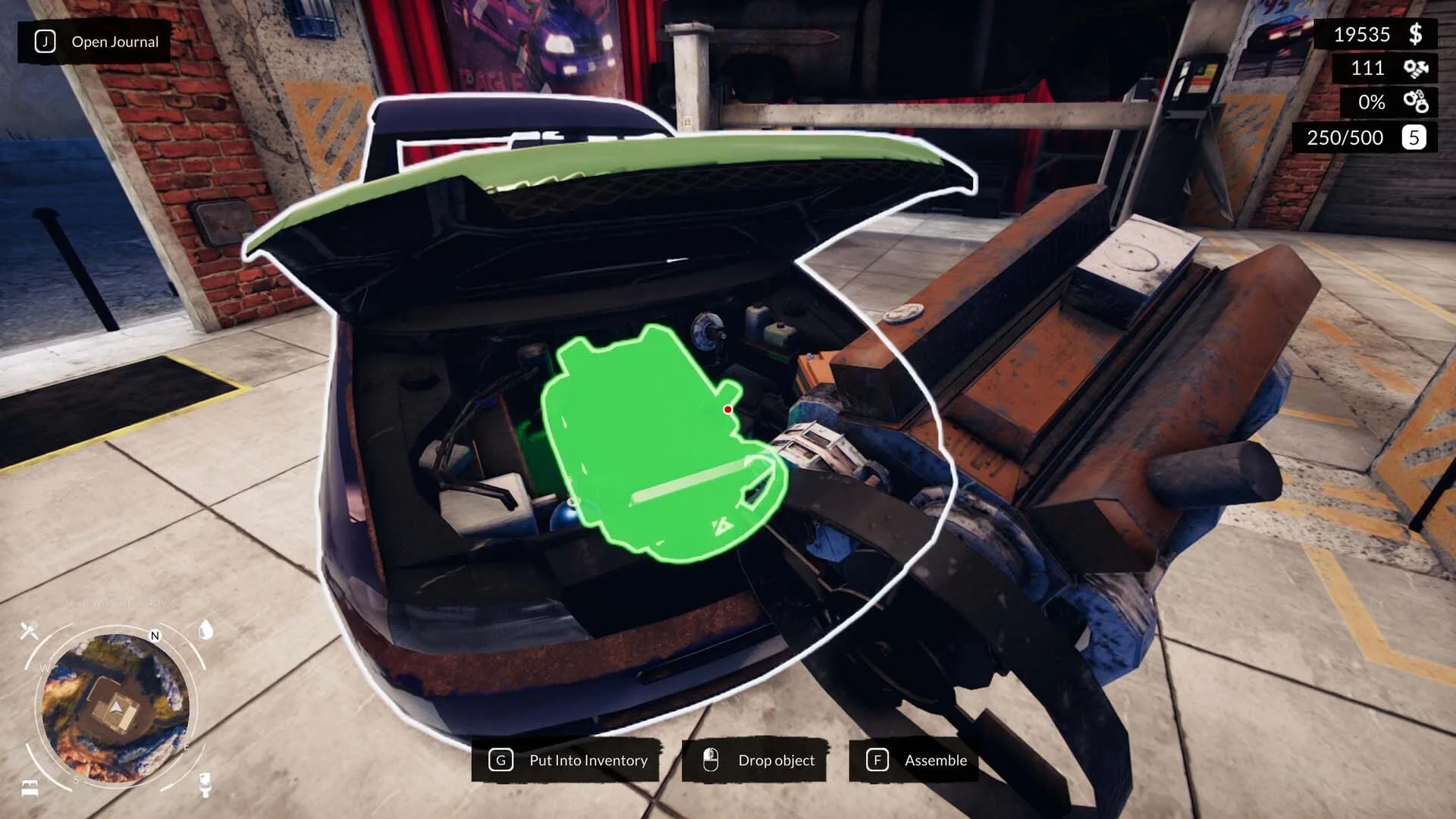
The most important part of a flip happens before you buy the vehicle. Check its condition, look for damage, and identify missing parts before deciding what the car is really worth. A low asking price can become an expensive mistake once replacement parts and repairs start piling up.
Negotiation belongs in the same stage. Money saved before the car reaches your shed gives you more room to cover repairs and still make a profit when the vehicle leaves. Once the deal is complete, focus on the problems that affect the car first. Fix dents and replace missing parts before spending money on washing, repainting, or other customization.
Keep your cash moving
Used Cars Simulator starts you with limited funds, so holding onto every project can put the rest of the business on pause. A useful rhythm is to find a deal, buy the car, repair it, sell it, and reinvest the money into the next opportunity.
It is easy to become attached after replacing parts, fixing dents, and giving a vehicle a fresh coat of paint. The business grows when those projects actually leave the shed, though. Selling a finished car gives you the money to search for better purchases instead of tying your budget to one vehicle forever.
Leave the shed to find more to do
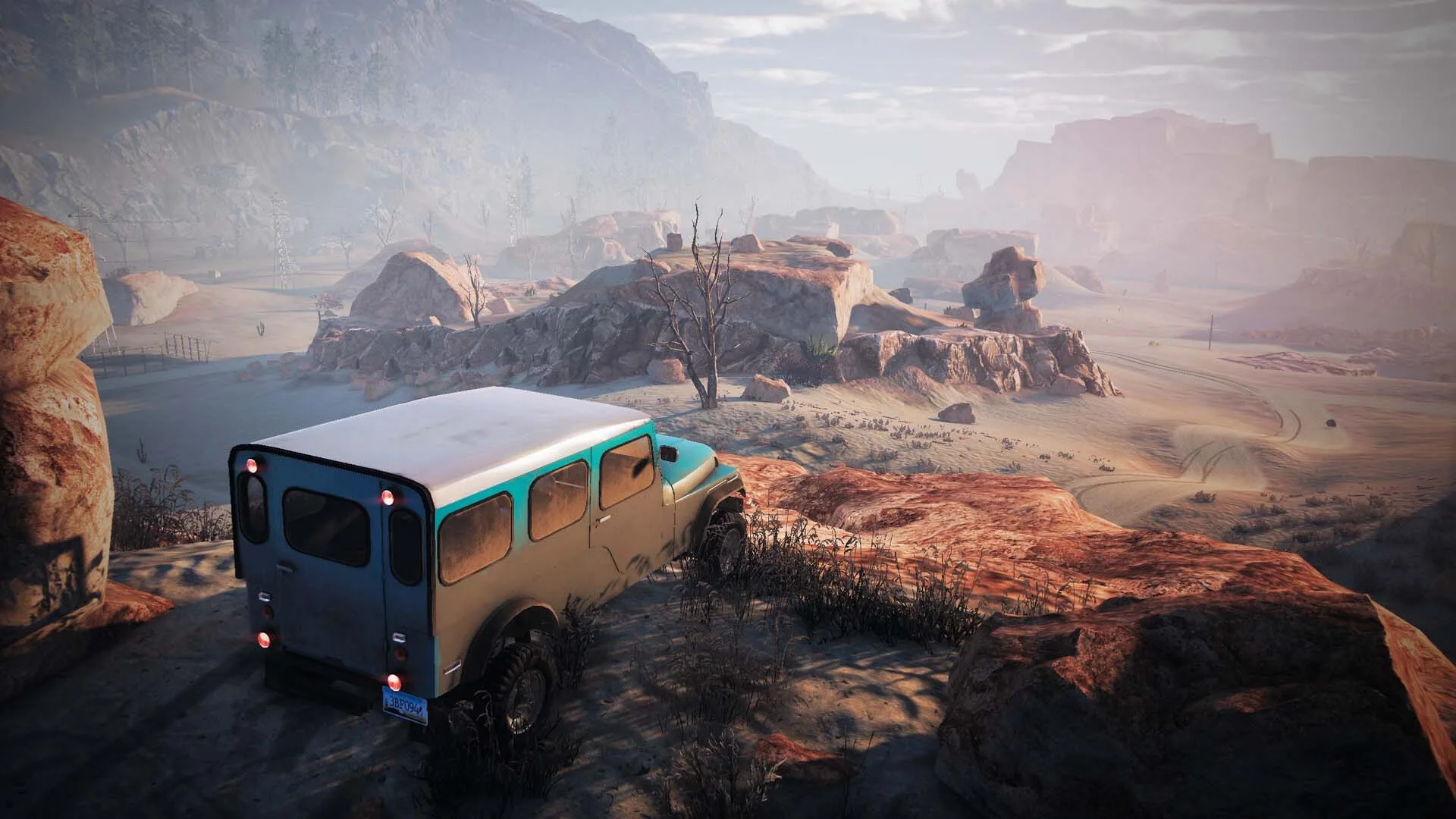
Cars may be the center of the business, but the workshop is only one part of the game. Drive through different locations, meet characters, complete quests, and visit the desert with a metal detector when you want a break from repairs.
Those activities give you more reasons to move around instead of staring at the same damaged panels for an entire session. A little time away from the shed can also make the next repair project feel less like a chore.
Keep your best projects away from the ramps
The vehicles can be restored carefully, but they can also be used as physics toys. Drifting around corners, hitting jumps, experimenting with cars, and chasing leaderboard scores are all part of the sandbox.
There is one obvious risk. The car you just repaired for resale may not be the right vehicle for testing how far a ramp can launch it. Keep business inventory separate from stunt experiments when profit is the priority. Your repair budget will appreciate the restraint.
Choose how much trouble your business can handle
Negotiating with an owner is not the only way to acquire a car. Illegal activities and police interactions are part of the game, so a shortcut to your next vehicle can quickly become an attempt to escape the cops.
A careful business can stick with inspections, fair negotiations, and purposeful repairs. A more chaotic run can see what happens when a vehicle still has an owner who wants it back. Either approach fits the sandbox, but keeping some money and a few usable vehicles in reserve is sensible when a questionable decision can disrupt the whole operation.
Would you spend your first profits on another careful restoration, or risk them on desert trips, leaderboard stunts, and a little police trouble? Share your preferred way to run the shed, and follow us on X, Bluesky, YouTube, Instagram, Steam, and Telegram.

