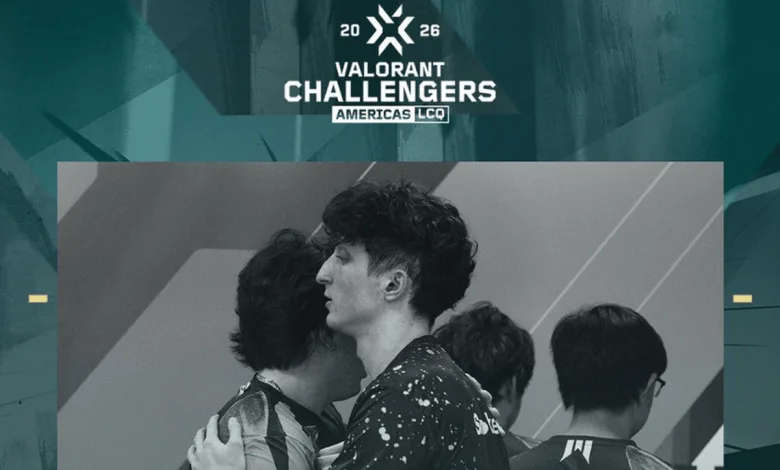
The VALORANT Challengers Americas Last Chance Qualifier (LCQ) Grand Final was supposed to decide which Tier 2 team would reach the VCT Americas Stage 2 Play-Ins. Instead, the Liga ACE event became a two-day ordeal filled with tech pauses, lag, and round rollbacks, raising serious questions about competitive standards ahead of VALORANT’s 2027 format changes.
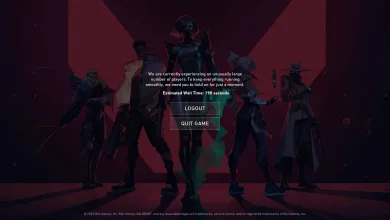
The series began on July 30 and was completed a day later after repeated interruptions. One post from Lion Esports claimed that the SRB vs. 2G match included 180 minutes of tech pauses across three incidents, compared with only 76 minutes of actual play. A separate post from the organization also questioned the competitive integrity of the best-of-five series.

Technical problems turned a promotion match into a credibility test
Technical failures can happen in any competition, but the stakes here made the response especially important. Players were competing for a route into the region’s top league, while viewers were left waiting through pauses and trying to understand which rounds would stand.
Melanie “mel” Hoi-San Man summed up the frustration during an episode of Plat Chat:
“I cannot take this tournament seriously, I’m sorry. I just can’t sit here and pretend to like analyze this sh** cause like it’s just so unserious, bro. It’s just unacceptable.”
She added, “I cannot believe that this is the most important match for some of these players’ careers like that they’ve had up to this point, and they’re playing in unacceptable conditions.”
Shayan “ShyoWager” Shehryar said Riot Games’ servers were experiencing problems on the day of the final. He did not place responsibility for those server issues on Liga ACE, but he criticized the organizer’s handling of the disruption, including the decision to continue the match after a lengthy interruption. ShyoWager described resuming the game several hours later as “bonkers.”
Jeremy Steeves, the founder of Shopify Rebellion, offered a similar criticism in a public statement: “I unequivocally stand in support of our players in denouncing the conditions of this VCL Americas LCQ. Regardless of the outcome, this series was egregiously beyond the threshold of acceptable standards for competition. From network, to rulings, to on-site conduct – it was simply inexcusable.”
For players, a rollback is not a minor production hiccup. Every decision about which round should be replayed or preserved can affect preparation, momentum, and confidence that both teams are being treated equally. Organizers need a clear process for those calls before a high-stakes series reaches that point, along with communication that explains the final ruling.
LCQ concerns went beyond lag and pauses
The Americas final was not the only VALORANT event to face questions about technical handling. VCT Pacific was placed in a similar position after an unknown bug appeared during a Stage 2 series, an issue highlighted in a post from WendlerTV. Incidents like these may be unavoidable, but repeated uncertainty over rulings can quickly damage confidence in a competition.
Staff conduct created another problem around Liga ACE. Shopify Rebellion Gold brought attention to a Liga ACE administrator who had participated in a misogynistic joke during a different tournament, according to a post from Alexis. The administrator was later fired, but the episode added to concerns about recruitment and conduct standards for tournament staff.
The broadcast itself also took a hit. Long stretches without play, repeated technical interruptions, and confusing round decisions made it harder to follow the match as an entertainment product. NiSMO publicly questioned the resulting trust in Liga ACE, a particularly damaging outcome for what may have been the final Americas Challengers match before the 2027 changes.
Riot’s 2027 format will need firm standards
Riot has announced a more open direction for the VCT in 2027 through its new VALORANT Champions Tour ecosystem. The plan points toward an era in which “everything is a tournament,” with independent organizers playing a larger role in qualifiers and other events.
That approach has clear benefits. Riot does not need to produce every competition alone, and outside organizers can bring different formats, production teams, and routes for players to develop. BLAST and Hero Esports were cited as larger examples, while Raidiant and DivE have built experience through their Game Changers operations.
More organizers also means more responsibility. Donnie “Elevated” Chell warned in one social media post that the problems affecting Challengers should concern anyone planning to participate in VALORANT esports in 2027, since qualifiers could be run by companies similar to those handling the current leagues.
In a second post, Elevated argued that technical failures at important tournaments could make organizations, companies, and players hesitate to invest their time and money in the scene. That risk is easy to understand after a Grand Final where the competitive result became inseparable from the delays and rulings surrounding it.
As of August 11, 2026, Liga ACE had not issued a public statement addressing the specific failures of the Grand Final, and Riot had not explained whether it would introduce new technical requirements, organizer standards, or additional oversight before the 2027 model begins.
Riot should not have to choose between an open circuit and consistent standards. Third-party organizers can remain part of the 2027 structure, but they need clear requirements for server preparation, rollback decisions, staff conduct, escalation procedures, and communication when a match goes wrong. Without those safeguards, the wider tournament model could leave teams wondering whether a season-defining series will be decided by gameplay or by the next pause.
What do you think about the LCQ problems and Riot’s 2027 plans? Share your thoughts in the comments, and follow along on X, Bluesky, YouTube, Instagram, Steam, and Telegram.
Valorant
Developed by Riot Games
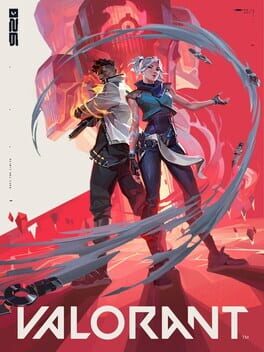
Valorant is a character-based 5v5 tactical shooter set on the global stage. Outwit, outplay, and outshine your competition with tactical abilities, precise gunplay, and adaptive teamwork.
- Genre Shooter, Tactical
- Platforms Xbox Series X|S, PC (Microsoft Windows), PlayStation 5
- Perspective First person
- Modes Multiplayer
- Release June 2, 2020
- Publisher Riot Games
-
Age Rating