Take-Two CEO predicts low-latency game streaming will be commercially ready in three years
Strauss Zelnick said streaming could let machines not built for gaming run major releases and expand Take-Two's effective audience.

Take-Two Interactive CEO Strauss Zelnick believes game streaming will reach a low-latency commercial stage within three years, a forecast that could make expensive dedicated consoles less central to accessing major releases.
The discussion came as hardware prices continue to rise around the world, with the growth of AI data centers and ongoing RAM shortages cited as major contributors. That creates a problem for Take-Two because its games still depend on machines capable of running them, but Zelnick sees streaming as a way to widen the audience without requiring every player to buy specialized hardware.


During Take-Two’s latest quarterly earnings call, Zelnick said the company would be in “commercial streaming mode in three years”, defining commercial service as streaming with low latency. The prediction was reported in Kotaku’s coverage of the call.
This is a forecast rather than a launch announcement. Take-Two did not identify a specific streaming product, rollout plan, or exact date for reaching that phase, and the estimate depends on services delivering both low latency and a consistent experience for players.
Streaming could expand the pool of gaming machines
Zelnick’s argument is that streaming could turn ordinary machines into gaming systems. If the technology can deliver games with a fast enough response time, the audience would no longer be limited to people who already own a dedicated console or gaming PC.
That scenario could include televisions, phones, laptops, and other connected devices that were never designed to run demanding games locally.
He estimated that streaming could multiply the effective install base by 10. Zelnick also made clear that a larger audience would not automatically produce ten times the revenue, since many of Take-Two’s most committed customers already have access to gaming hardware. The opportunity, in his view, is reaching people outside the usual core market.
The strategy would also extend Take-Two’s existing digital-distribution model. The company has said more than 90% of its sales are digital and has described Grand Theft Auto VI‘s planned disc-free release as consistent with that business.
Xbox, PlayStation, and PC already offer several cloud streaming options, but the format remains a smaller alternative to hardware-based gaming. Latency and connection stability are still the main obstacles, and larger, more demanding games could put additional pressure on the technology.
Streaming lowers the entry cost but changes ownership
Streaming could reduce upfront hardware costs, but it would also make access depend on the companies operating the servers and services. A title could be removed when its business case no longer works, while a physical copy or local download offers at least some path to continued access.
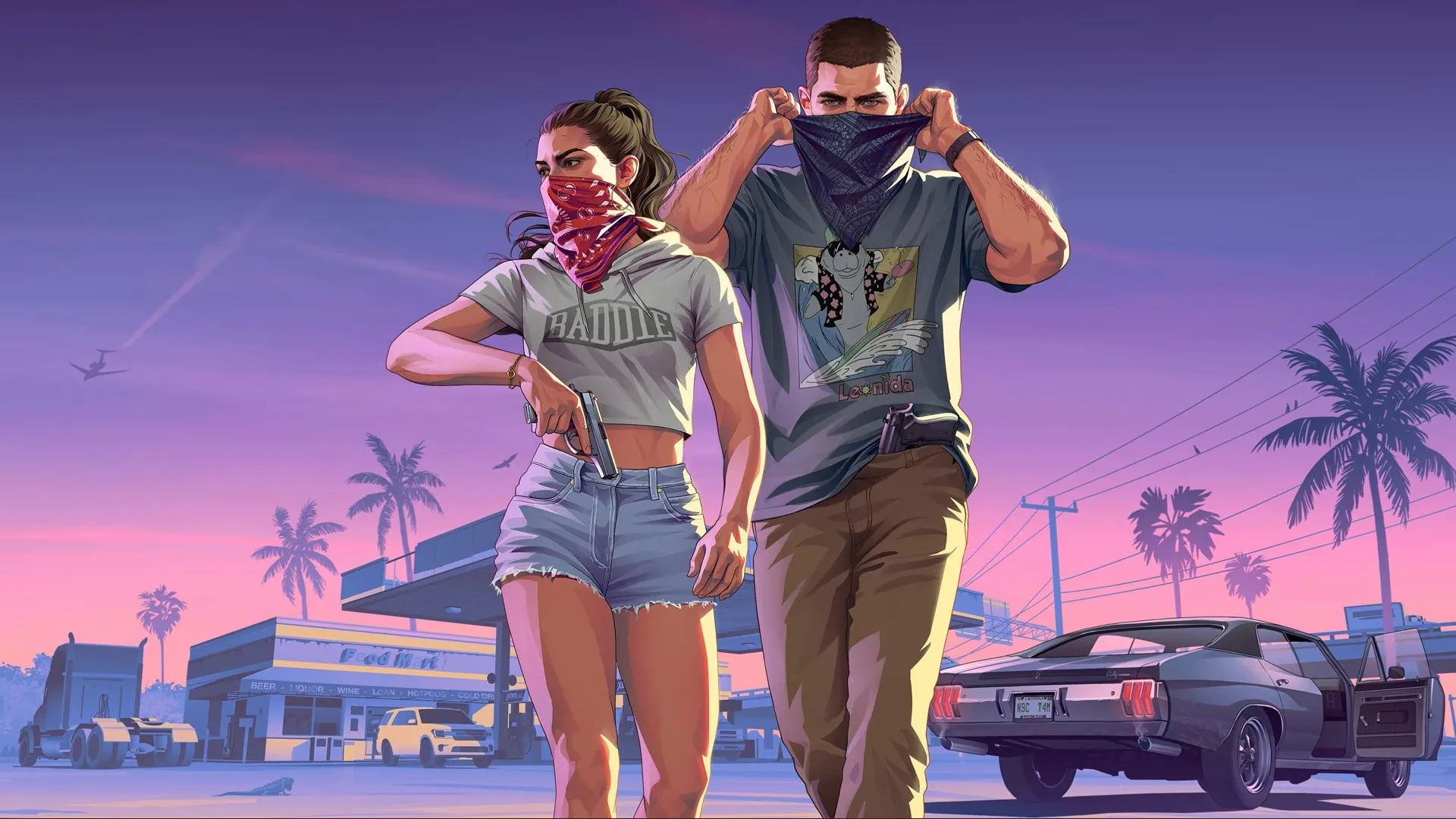
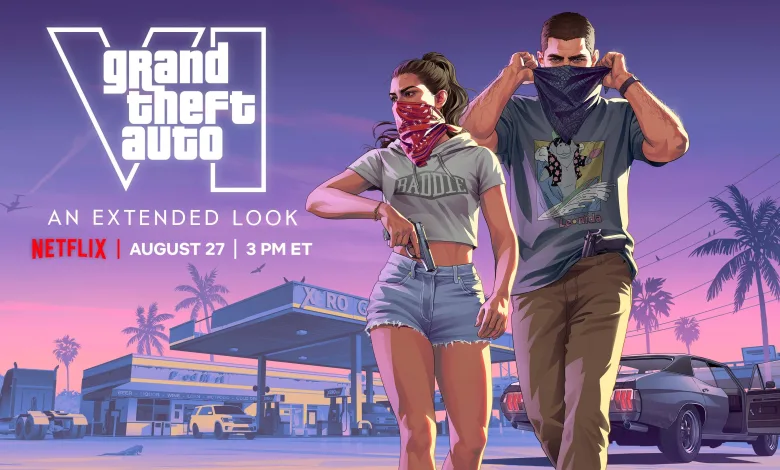
Take-Two’s own Grand Theft Auto VI would be a tough test for streaming services as they work today. Zelnick’s three-year window gives the technology time to improve, but the game’s eventual demands will show whether low-latency streaming can support the biggest releases without the need for premium hardware.
Share your thoughts on Take-Two’s streaming forecast in the comments, and follow us on X, Bluesky, YouTube, Instagram, Steam, Telegram.