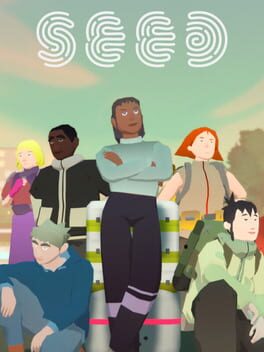
SEED’s Thousands of AI Citizens Keep Building the World While You’re Offline
Klang Games' early-access simulation uses Google's open-source Gemma model and a Knowledge Graph unique to each Seedling.

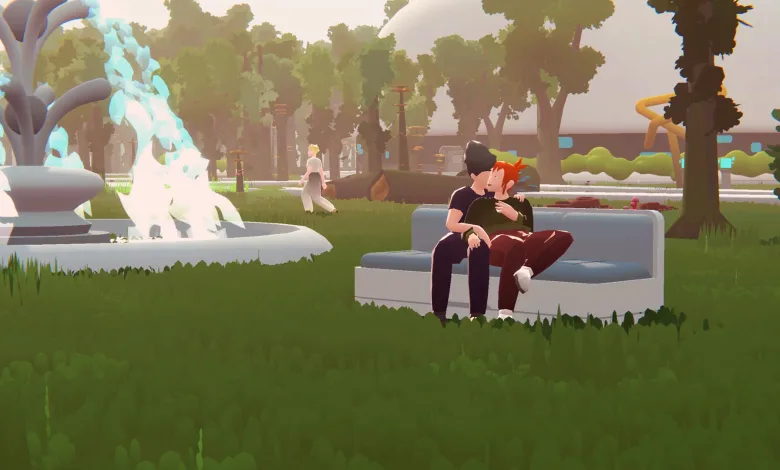
SEED is now in early access on PC and Mac with a world that continues to function when its players log off. Klang Games’ simulation gives thousands of AI-controlled Seedlings their own routines, relationships, jobs, and economic decisions.
A report from 80.LV describes how the Berlin-based studio built a custom inference pipeline for the MMO. Rather than waiting for players to trigger every activity, Seedlings can continue living independently inside the societies players help create.


The project was built by former EVE Online developers and draws from that game’s shared-universe approach and player-driven social systems. SEED takes that foundation in a different direction by letting players guide a population without directly controlling every person in it.
Klang Games CEO Mundi Vondi previously explained that the team wanted its characters to behave like imperfect people rather than flawless algorithms, according to the DualShockers report. That goal sits at the center of SEED’s design.
Why SEED’s world keeps moving
Each Seedling has a personal Knowledge Graph that stores memories and helps the character understand the world around them. Since individuals can hold different views of the same event, those memories may produce disagreements, grudges, and stories that no player directly planned.
One example involved a Seedling falsely telling another that his mother had died. When the supposedly orphaned character later met his mother alive, the contradiction exposed the lie. The Seedling recognized what had happened and developed a negative opinion of the character who deceived him.
That kind of imperfect information can create drama through the characters’ own decisions. Instead of every story beat arriving through a quest marker, Seedlings can connect events based on what they remember and believe.
Offline economies can change the whole city
The simulation also applies this autonomy to the economy. Seedlings earn salaries, spend money, support businesses, and make purchases while players are away. A restaurant, cinema, or gym can attract customers without the player ordering every character to visit, while businesses that fail to earn enough revenue can close.
One playtest showed how quickly a player’s actions could affect the wider society. A player bought every loaf of bread in the world and resold the supply at a steep markup. The government responded by building hundreds of additional bread factories, but the player purchased those too.
With the market still under the player’s control, the president introduced a heavy bread tax. Seedlings disliked the policy so much that the president was removed from power. It is a small-scale example of how SEED’s autonomous population can turn a player’s economic decision into a political event.
SEED is available now in early access on PC and Mac. Klang Games is aiming for a society where player-built cities keep developing instead of becoming empty when the people who created them sign off.
Would SEED’s always-active society make you want to try the MMO, or would you prefer more direct control over its characters? Share your thoughts in the comments, and follow us on X, Bluesky, YouTube, and Instagram.
Seed
Developed by Klang Games