
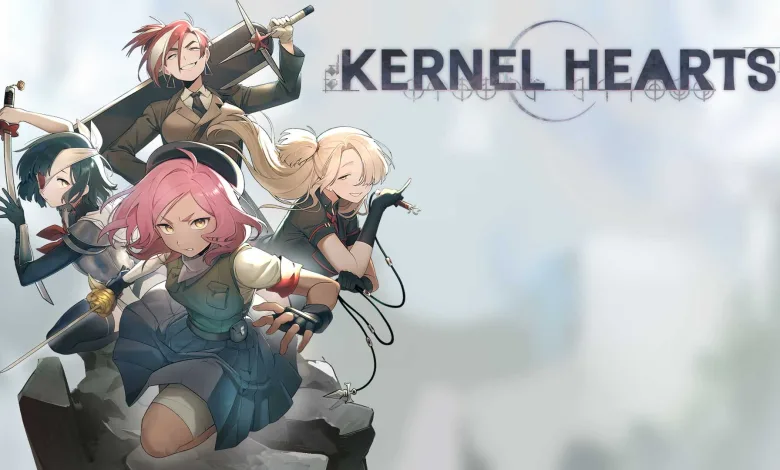
Kernel Hearts is now available on Xbox, bringing Ephemera Games’ action RPG to players with a story about four magical girls fighting angelic creatures in a world drowning in ashes. Its combat, character design, and short-run structure all work together to tell that story.
Set in a post-apocalyptic version of Patagonia, the game follows the M.A.H.O.U Unit as it climbs the Tower of Babel and battles toward a chance to save the world. Japanese influences shape the art, story, and language, while the team’s Argentine roots appear throughout the setting and characters. Even Fernet’s idle animations include her drinking yerba mate.
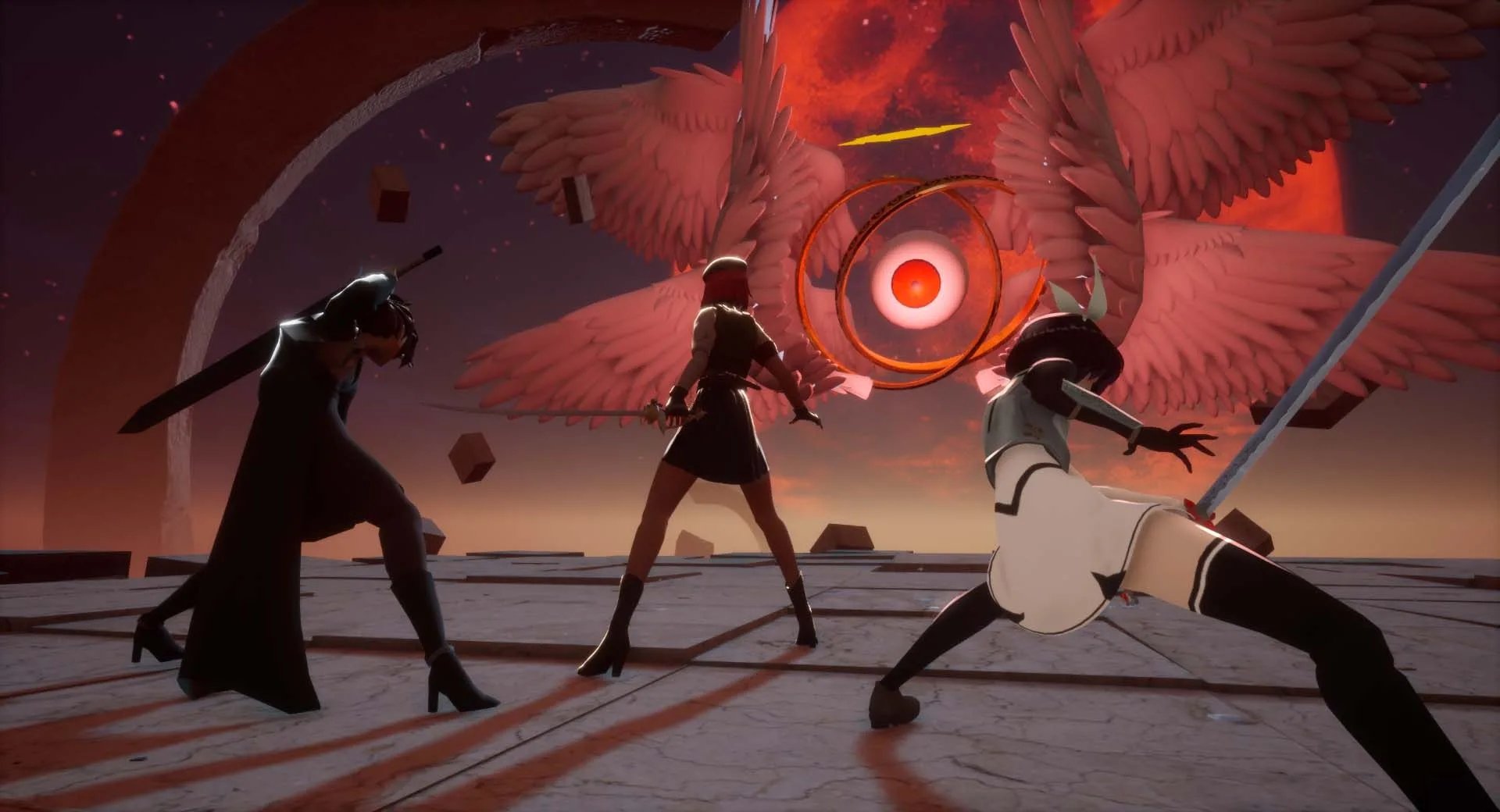
Kernel Hearts began as a game jam project in 2020, with the early concept eventually becoming Babel. The team wanted to pair the large-scale storytelling of action RPGs and JRPGs with the shorter sessions associated with roguelike games, creating an adventure that could fit more easily into limited playtime.
Four heroes turn personality into combat style
Character identity is not limited to dialogue or backstory. Akira, the game’s Game Director, explained the design goal in an Xbox Wire feature, where animations, silhouettes, magic, movement, and attack rhythm were all treated as ways to show who each character is.
Fernet uses swords and spirits, making her the most versatile member of the group. Spika’s katana attacks are close-range, clean, and disciplined. Laika brings a massive sword and heavy physical strikes, while Dolce uses performance and dance as part of her fighting style. Each moves through combat differently, so the team members communicate their personalities even when the story is taking a break.
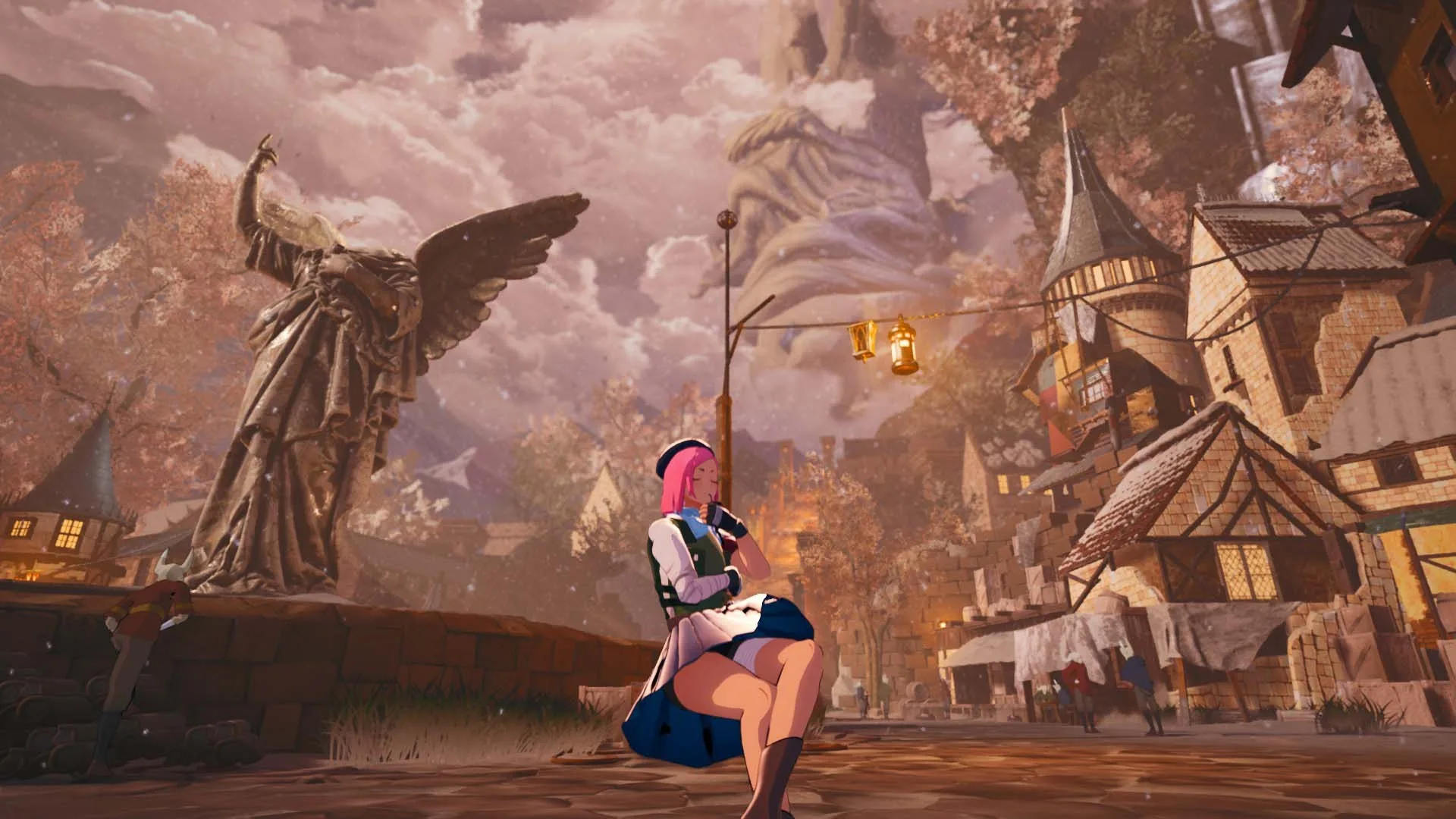
The squad can be played solo, but multiplayer co-op is a natural fit for a story built around characters joining forces against an overwhelming threat. Players can also experience the game fully on their own, which is useful when gathering a full group is harder than defeating the next boss.
Roguelike runs keep the adventure moving
During each expedition, players mix attacks, spells, movement, and temporary powers to create new combinations. Levels end with boss fights against the guardians of each domain, then the team returns to a laboratory at humanity’s last holdout. Rewards can be spent on chips for the M.A.H.O.U. units, allowing players to customize up to 256KB of equipment between runs.
That structure gives Kernel Hearts room for both larger story beats and shorter play sessions. With its four distinct combat styles, solo option, and co-op design, the game asks players to build a team that works as well together in battle as it does in the story.
Which M.A.H.O.U. character’s combat style stands out to you most? Share your pick in the comments, and follow us on X, Bluesky, YouTube, Instagram, Steam, and Telegram.
