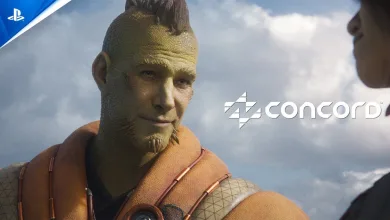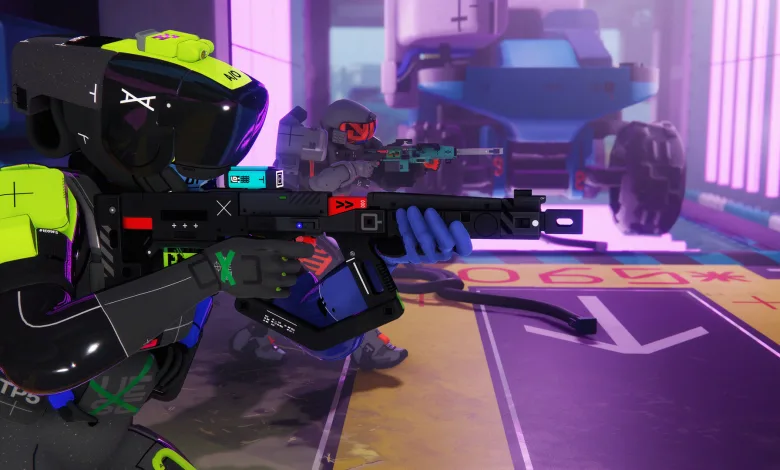
Former Marathon art director Joseph Cross says comparisons to Sony’s troubled shooter Concord were hard to take but could not undo what he values most about the project. Cross spoke about his exit from Bungie and his work on Marathon in an exit interview with ReaderGrev.
Cross described a mix of positive and negative responses around Marathon’s reveal. He said he tried to focus on the art itself and the chance to take a rare risk on a big, premium shooter. “It’s difficult for me to take any of that stuff personally because I believe in the art, because I believe in what we’ve done,” he told ReaderGrev.
He added that his role was limited to art and that he could not control design or direction. “I can only control what I can control, and what I could control, I feel really good about,” Cross said. He pushed back on online criticism. “And you can’t take that away from me, as much as the haters try online or wherever, and whether someone doesn’t happen to like the art direction personally, whether they don’t agree with some political thing Bungie did, or whatever the animosity du jour is, you can’t take the thing I care about the most away.”
Marathon’s launch path included a now-resolved plagiarism controversy after external designs used in the game matched work from another artist. That episode generated sharp criticism and even mocking riffs on the game’s rallying cry. The dispute was described in a GamesRadar report, and an internal artist later said the matter was settled to her satisfaction in a post that our site covered here.
Cross compared being linked to Concord to bad luck. “It feels like losing a lottery ticket or being in the wrong place at the wrong time,” he said. Concord drew criticism for its art and environments, and some of those same reactions cropped up around Marathon. Other people responded well to Marathon’s look, however. Cross pointed to cinematic pieces such as a short by Alberto Mielgo as examples of work that helped the game’s iconography land for some viewers.
Cross also reflected on the scale and risk of a long, costly project. He said he spent about six years on Marathon as part of a team that grew from a dozen people to hundreds. He noted that most development costs are labor overtime and observed that studios are moving large sums into unproven projects. While exact budget figures were not provided, the scope of the team led him to conservatively estimate nine-figure spending on Marathon’s production.
X, Bluesky, YouTube, Instagram
Marathon
Developed by Bungie
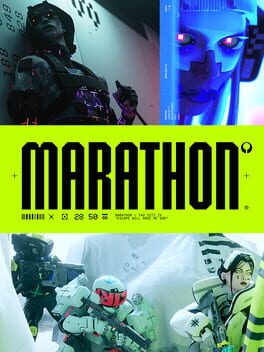
A PvP-focused extraction shooter set on the mysterious planet of Tau Ceti IV, Marathon will see players inhabit the bodies of Runners, cybernetic mercenaries who have been designed to survive the planet’s harsh environments and explore the lost colony that once inhabited Tau Ceti’s surface. Players will engage solo or in crews of three, searching for mysterious alien artifacts, as well as for valuable loot and new weapons and gear that they can add to their collection.
- Genre: Shooter
- Platforms: Xbox Series X|S, PC (Microsoft Windows), PlayStation 5
- Modes: Multiplayer, Battle Royale
- Publisher: Bungie
-
Age Rating:
 GRAC 15+