Deadlock is still invite-only, but Valve already has a serious multiplayer contender
Valve's 6v6 game combines third-person shooting, MOBA progression, 38 heroes, and an all-time peak above 171,000 players despite its limited access.

Deadlock is still officially unreleased, but Valve’s private multiplayer game already has the numbers and depth of an established hit. Daily player peaks regularly reach around 75,000, while its all-time high has passed 171,000.
That audience has formed despite access remaining limited to friend invitations from existing playtesters. Valve’s Steam description still presents Deadlock as an early-development project with temporary art and experimental gameplay, yet the game already offers a full competitive structure, a large hero roster, several modes, and systems that have been revised repeatedly over time.
As of August 9, 2026, Deadlock looks less like a small test and more like a serious multiplayer contender waiting for its wider release.
A third-person take on the MOBA formula
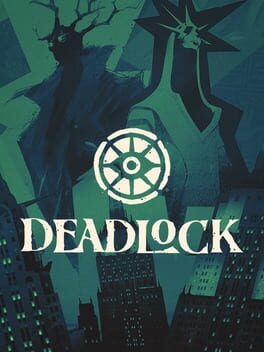
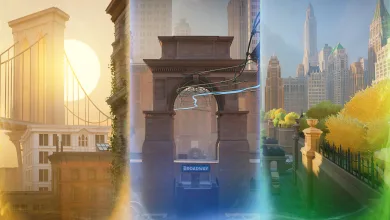
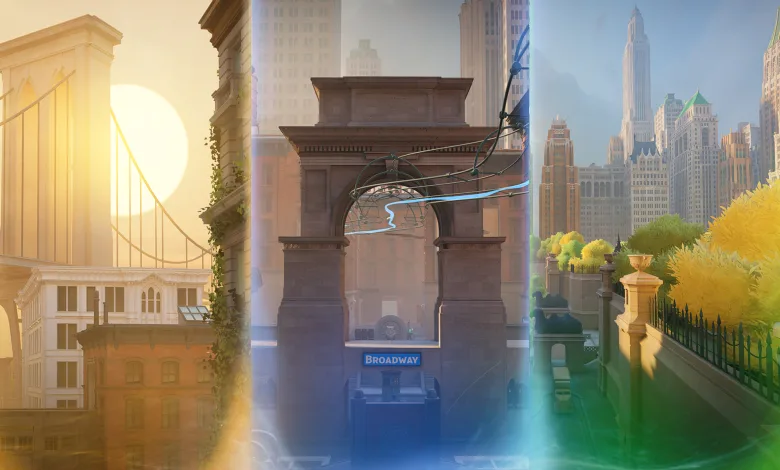
Deadlock grew out of an earlier Valve project called Neon Prime. The finished concept takes place in an alternate-history New York known as The Cursed Apple, where early twentieth-century design meets urban fantasy. Two powerful Patrons, The Hidden King and The Archmother, send their forces into battle.
Matches place two teams of six against each other. Players move through a city filled with streets, buildings, tunnels, and back alleys while fighting enemy heroes and automated minions. Three lanes connect the bases, and each path contains defensive structures that teams must break through before reaching the opposing base and destroying its effigy.
The basic structure will sound familiar to anyone who has played League of Legends or Dota 2. Deadlock changes the feel by putting the camera behind the hero and adding the movement of a shooter. Sliding, wall jumps, air jumps, and dash jumps turn every lane into a three-dimensional combat space, while the third-person view makes the format more immediately readable than a traditional top-down MOBA.
Souls turn every fight into a resource battle
Each hero collects Souls during a match. They provide experience for unlocking and improving abilities, while also paying for equipment with passive bonuses and active effects. Enemy heroes can provide Souls, but minion waves and neutral camps make up most of the economy.
Deadlock also gives its shooter mechanics a direct role in that familiar MOBA routine. When a minion falls, an orb appears, and players must shoot it to claim the reward. An opponent can deny the orb by hitting it first. The result is a small but tense timing battle that rewards awareness and accuracy instead of relying only on the usual last-hit exchange.
Movement is just as important. Jump pads and ropes help less mobile heroes reach the action, while the map’s vertical design creates ambush routes above and below the main paths. Ziplines connect each base to the frontline, allowing teams that control a lane to return to the fight quickly. A poor position can become a lost fight in seconds, but a well-timed movement option can save a hero or open a route into the enemy backline.
Valve has already rebuilt parts of the game
Deadlock’s current three-lane map was not the original plan. Earlier versions used four lanes, but Valve eventually removed one after determining that the larger layout spread teams too thin. The redesign arrived in February 2025 and showed how willing the developer was to discard a system when it did not serve the match.
That same approach has shaped other parts of the game. Features have been reworked, replaced, or split into separate mechanics as development continued. The Spirit Urn, for example, went through several versions before becoming two independent systems. Deadlock is not presented as a finished product, and its rougher edges are easy to spot, but the regular revisions also show a team willing to keep testing the structure instead of protecting every early decision.
Deadlock’s heroes give the game its personality
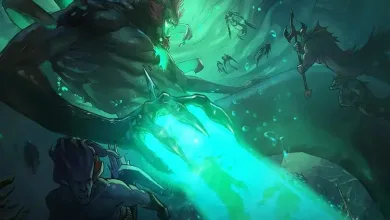
The roster may be the game’s strongest hook. Deadlock currently has 38 playable heroes, and each one has a clear visual identity as well as a distinct combat kit.
Shiv fights with a sawn-off shotgun and throwing knives. Lady Geist spends life force to power her abilities. Sinclair uses ghostly assistants, turns enemies into rabbits, and can copy another hero’s ultimate. Billy is a goat-headed bruiser who launches enemies into the air before attacking with a nail-studded baseball bat. Lash, meanwhile, combines grappling movement with defensive flexes and a whip.
The cast stretches well beyond humans. Bebop is a scrap golem who can pull opponents in, attach sticky bombs, and send them back toward their team with an uppercut. Abrams is a hard-hitting detective, Apollo is a fencer from the demon-like Ixians, and Viscous is a psychic sea anemone from the Bermuda Triangle. Ivy brings a different kind of energy as a gargoyle vigilante who can turn to stone before crashing down on enemies.
Character banter adds another layer to those designs, giving heroes room to reveal their relationships and the world around them. Valve has also built a roster where personal preference remains a workable way to choose a character. Players select at least three heroes before queuing, and the matchmaker assigns one of those choices. A player can switch to another selected hero before the match begins if nobody else has claimed it.
The team’s public-facing identity remains deliberately guarded. One developer is known as Yoshi, while Duncan Drummond and Paul Morse, the co-founders of Hopoo Games, are also associated with the project. Icefrog, known for work on Defense of the Ancients and Dota 2, is another name linked to Deadlock’s development and balance work.
Street Brawl offers a softer landing
Deadlock has a lot to learn, particularly as more heroes and items continue to arrive. Valve’s answer is Street Brawl, a faster 4v4 mode built around short skirmishes rather than a full-length match.
Street Brawl uses a best-of-five format. At the start of each round, players add three items to their loadout, choosing each one from three options. Some equipment is exclusive to the mode, and the smaller structure limits the chance for one early advantage to decide the entire game. It puts more attention on understanding a hero’s abilities and winning the fight in front of you.
The game is unfinished, but already feels complete enough to play
Deadlock’s limited access is not the same as a traditional public release. Players cannot open the Steam store page and simply download it. They need an invitation from someone already participating in the playtest, which keeps the audience smaller than the player counts might suggest.
Even so, the available package has more than enough structure to support serious play. There are tutorials, a testing room, multiple ways to build a hero, and a roster that gives players plenty of room to find a preferred style. The game is still experimental, and future changes could affect everything from map flow to hero balance, but that has always been part of Valve’s approach to its long-running multiplayer games.
Deadlock does not need a formal release date to make an impression. Its combination of shooter movement, MOBA economy, readable hero identities, and constant experimentation has already created a strong foundation. When Valve eventually opens the gates more widely, the game will not be starting from zero. It will be arriving with a community, a proven player base, and a structure that has already survived years of testing.
Will Deadlock become Valve’s next long-running multiplayer game, or does its unfinished state still give you pause? Share your thoughts in the comments, and follow us on X, Bluesky, YouTube, Instagram, Steam, and Telegram.
Deadlock
Developed by Valve