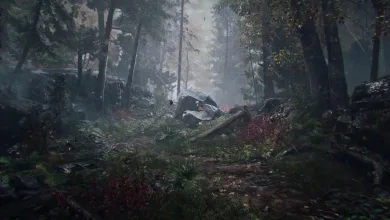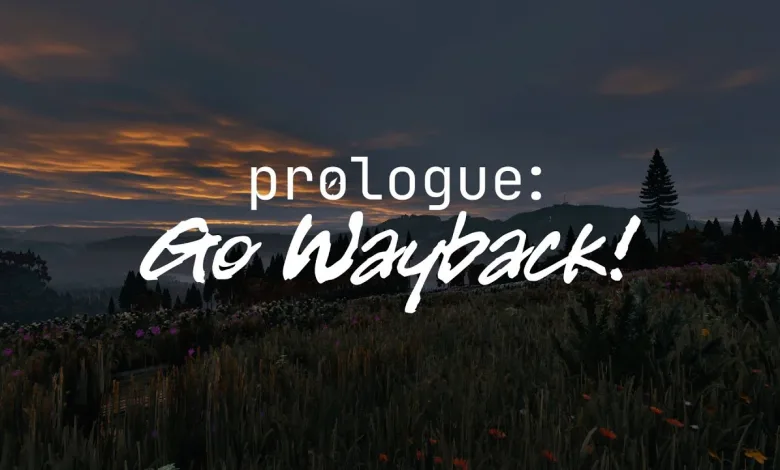
PlayerUnknown Productions launched Prologue: Go Wayback! in early access at the end of November and Brendan Greene has leaned on player input to steer what the game has become in its first weeks. Greene framed early access as a development oven rather than a polite marketing label, saying the team wants to “build games with the community, rather than for them.” That philosophy has already translated into concrete changes, as players asked for options beyond the escape-focused run, and the studio added a free roam mode and an objective survival mode where the point is simply to endure.
The new modes arrived after the initial release and the early feedback loop helped shape them. Free roam turns off health penalties and other harsh systems so players can wander and appreciate the environments, while objective survival removes cabins and forces players to manage weather, foraging, and scarcity for as long as they can. Prologue started as a single survival loop built around procedurally generated 64 km² maps and a weather tower objective, but Greene and the team have been iterative since launch. The project’s early access timeline echoes the studio’s earlier roadmap and public notes about what’s coming next and how they want to develop tools and modes with ongoing player input – the roadmap spelled out plans to add building tools, new modes, and work toward Project Artemis ambitions.


Greene said (via PCGamer) leads who came from more traditional AA and AAA structures found the community-driven workflow enlightening, and the team is comfortable taking the extra time to add features when they’re ready rather than chasing external deadlines or corporate calendars. Not everyone wants survival to be punishing. Greene calls for an easier experience and says the free roam option answers that by stripping survival systems so the map can be enjoyed. Meanwhile, the objective survival mode keeps the original intent intact for players who want a tough, sustained test.
We previously covered Prologue’s early access plans, including the initial early access announcement and a longer look at the game after it went live, which explain the procedural map tech and the studio’s broader development goals. Greene summed up the approach bluntly, early access should be used to build with players, not just to fine-tune a finished product. That stance has already changed what Prologue offers and will likely shape how the studio adds content as the game moves forward.
Share thoughts in the comments and follow the conversation on X, Bluesky, and YouTube.
Prologue: Go Wayback!
Developed by PLAYERUNKNOWN Productions

Prologue: Go Wayback! is a single-player open-world emergent survival roguelike where every journey is unique. Traverse a new wilderness that is generated for you every time you play. Chart your path, overcome the elements, and write your own story of exploration.
- Genre: Simulator, Adventure, Indie
- Platforms: PC (Microsoft Windows)
- Modes: Single player
- Release: 2025-11-20
- Publisher: PLAYERUNKNOWN Productions
-
Age Rating:


 ESRB E / PEGI 3 / USK 0