
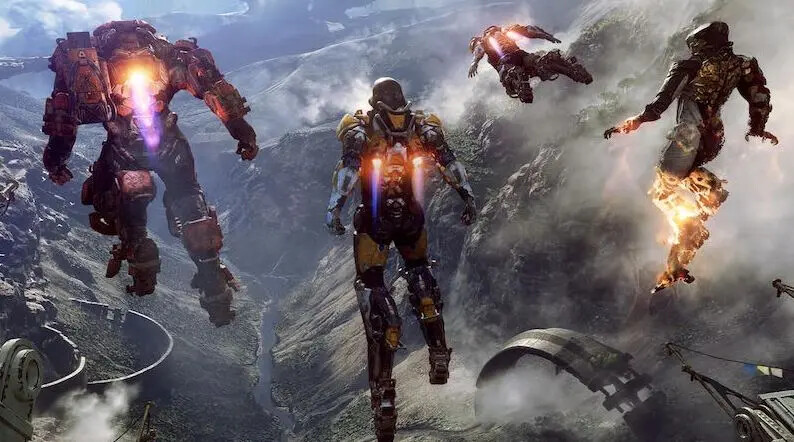
BioWare’s Anthem will have its servers switched off on Monday, January 12, bringing an official end to the live-service version that launched in February 2019 and never recovered. For a time the game suggested a path forward for the studio’s action-RPG work, and now that promise vanishes along with the login screen.
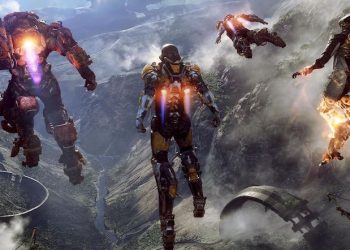
The earliest impressions were stunning. Javelins handled like custom-built toys you wanted to master. The four suits filled clear combat roles, the nimble Interceptor, the balanced Ranger, the elemental Storm, and the hulking Colossus that could literally crash through hordes of enemies. Flight and movement felt joyful and immediate. Players could skim cliff edges, dive through waterfalls, or rocket out of lakes with a single satisfying burst.
Under the surface, though, the design left too much work unfinished. Core systems had promise, but the game lacked mission variety, and the gear pool needed to sustain long-term builds. Fort Tarsis acted as a narrative hub, but its slow pacing often killed momentum between fights. What began as thrilling mechanical play too often gave way to repetition.
There were signs of hope. The early endgame introduced difficulty scaling and Masterwork weapons that hinted at deeper builds. Those systems suggested how larger raid-like encounters could have showcased Anthem’s combat design at scale. Instead, development stalled. Updates were paused in February 2020 to plan a “substantial reinvention,” and the reinvention never landed. By 2021 BioWare confirmed the project’s cancellation.
A later postmortem also revealed pressure on the team and shifting targets in the months before launch. Readers can find the breakdown in a postmortem video that covers those internal challenges and how they affected the final product. Competition didn’t help. The shooter-looter space moved fast after 2019, and players had alternatives that improved rapidly. Even so, a handful of designers and players kept defending Anthem’s core idea: combat that mixed gunplay and tech-magic, and the satisfying choreography of chaining abilities together. Those mechanics were the part that still stings to lose.
There’s a practical point here. With servers shutting down on Monday, the game itself will become unplayable. That makes the shutdown an archival moment as much as it is the end of a service. Screenshots, early footage, and memories will be what remains for anyone who loved the feel of a particular javelin or a specific fight. For developers and players who study what went wrong, Anthem’s life cycle will be useful material. The early brilliance of its movement and class design sits beside hard lessons about live-service scope, content pacing, and the consequences of shifting priorities during crunch. Those are not flattering lessons, but they are real ones.
For now the studio’s next big franchise plans include other projects, and BioWare’s past hits will remain part of the wider context for the studio’s future work. The story of Anthem is part technical cautionary tale and part reminder that sometimes a great mechanical idea needs time, resources, and focus to reach its potential. Watch the original Anthem footage and developer commentary at this YouTube link:
Follow coverage of Anthem and similar stories on X, Bluesky, YouTube, and Instagram.