Tomb Raider: Legacy of Atlantis Builds a More Detailed Lara Around Her Classic Identity
Crystal Dynamics and Flying Wild Hog are using scanned clothing, strand-based hair and custom facial shapes while keeping Lara's core personality intact.

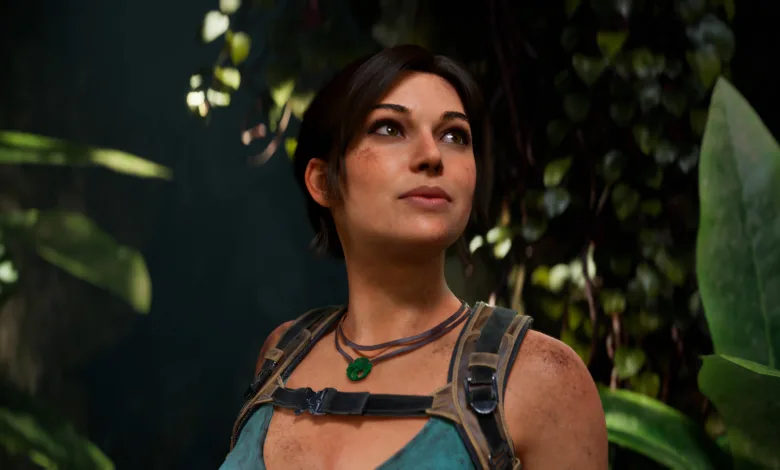
Tomb Raider: Legacy of Atlantis is giving Lara Croft the finer detail modern hardware allows while keeping her recognizable as the adventurer first seen in 1996. The design challenge is not simply to make her look more realistic. It is to update her without losing the identity that carried across three decades of Tomb Raider games.
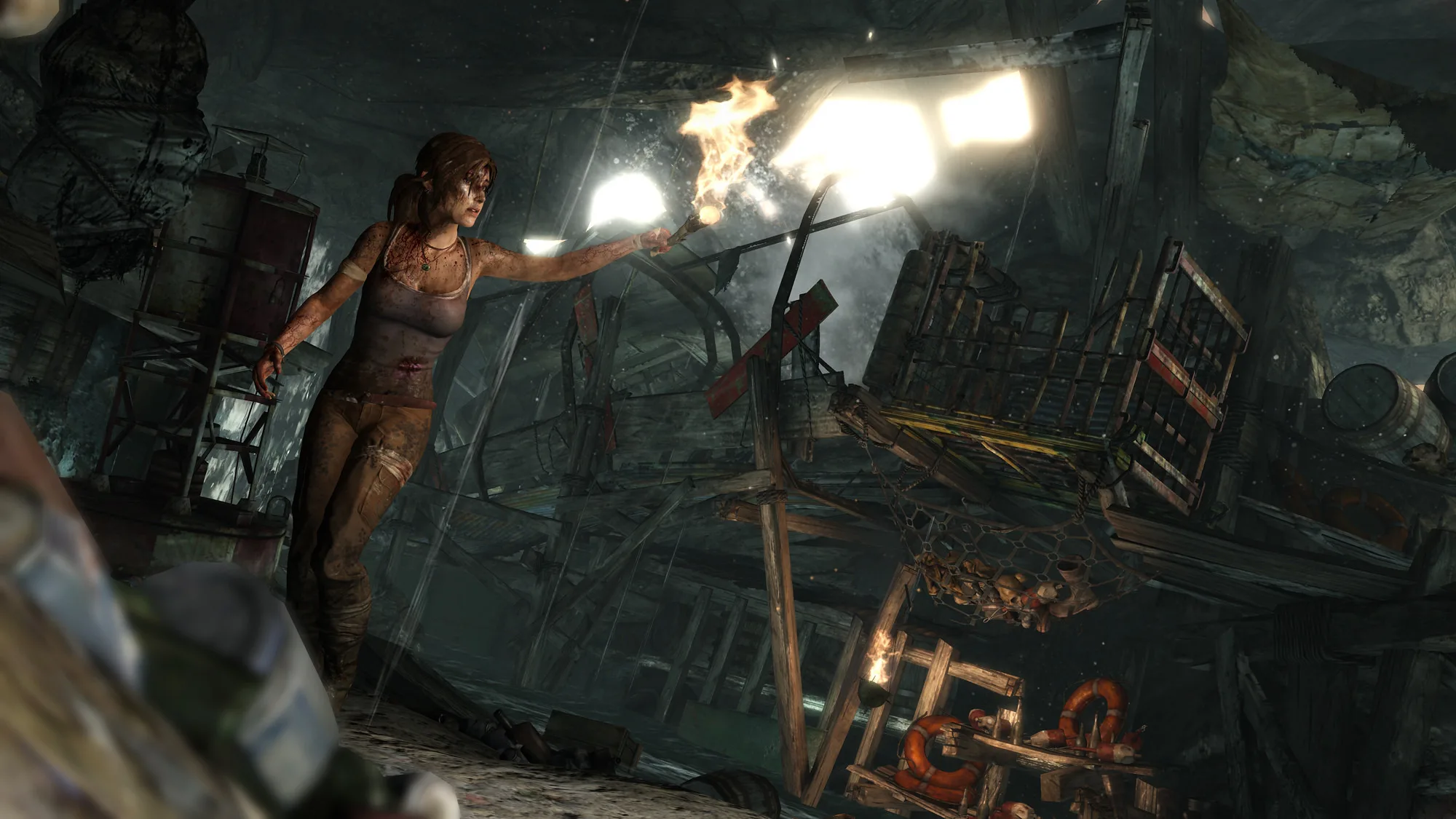
In 1996, limits on polygons and textures shaped Lara’s original look. Later games carried that design forward in different ways. The PlayStation 2 era’s Legend, Anniversary and Underworld brought smoother geometry and more expressive animation, while the Survivor trilogy pushed realism further. Crystal Dynamics and Flying Wild Hog’s PlayStation Blog design feature describes the original silhouette as the anchor for the new character work.


That history is easy to see in a comparison between Lara’s early low-polygon appearance and the detail now possible.
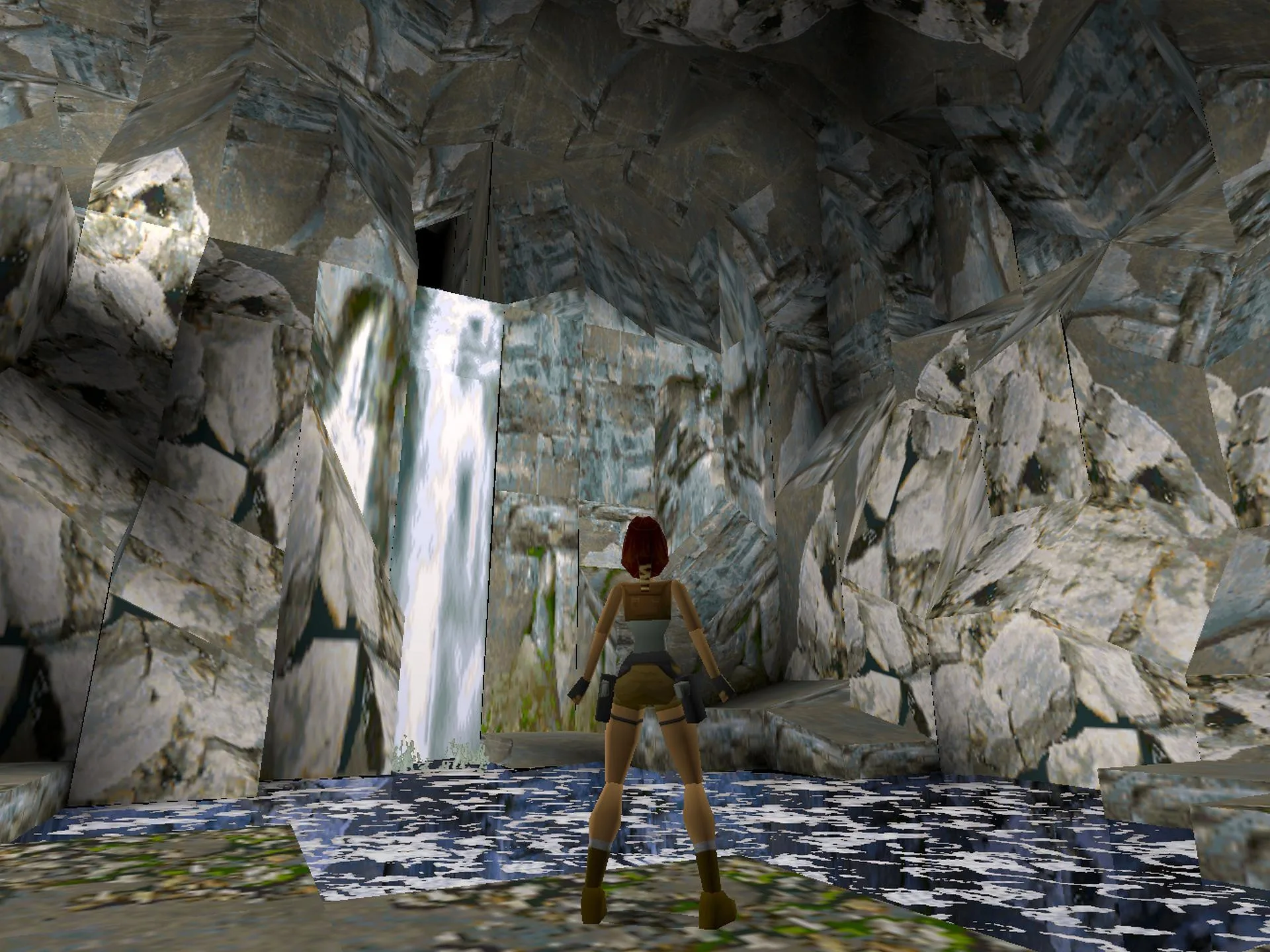
Crystal Dynamics’ Brendon Bengston describes the difference in the character’s hair, skin and expressions. Hair that once relied on large polygon shapes can now use layered hair cards and carefully crafted strands, giving the team more control over how Lara’s bangs, ponytail and braid move. Skin materials use subsurface scattering and flow maps, while custom blend shapes add facial creases as she squints, smiles or frowns.
Those details are meant to bring more life to Lara’s face without making her look like a different character.
The team also used real clothing to guide Lara’s outfits. Bengston says the process included sculpting and 3D-printing a life-size base body, dressing a mannequin in real garments and scanning the result. For one outfit, a tailor made the clothing before it was scanned. The approach captures how fabrics such as denim, silk, chiffon, cotton and wool fold differently.
Visual realism is only part of the redesign. Narrative Director John Stafford says the team is keeping Lara’s intelligence, fearlessness and thrill-seeking nature while giving more depth to her emotions and relationships. The goal is to bring together the series’ mythic, grounded and larger-than-life tones without flattening them into one generic version of Lara.
The Survivor trilogy also informs the new portrayal, particularly its physicality, emotional credibility and sense of resilience earned through danger. Even when Lara is confident, the team wants her to feel human.
Which part of Lara’s identity should stay most recognizable as Legacy of Atlantis draws from different eras? Follow us on X, Bluesky, YouTube, Instagram, Steam, and Telegram for more on how the game brings Lara’s history into its new design.
Tomb Raider: Legacy of Atlantis
Developed by Crystal Dynamics, Flying Wild Hog

Tomb Raider: Legacy of Atlantis is a reimagining of Lara Croft’s 1996 genre-defining game with visuals powered by Unreal Engine 5, modern gameplay, and new surprises that honor the spirit of the original.
- Genre Platform, Puzzle, Adventure
- Platforms Xbox Series X|S, Nintendo Switch 2, PC (Microsoft Windows), PlayStation 5
- Perspective Third person
- Modes Single player
- Release February 12, 2027
- Publisher Amazon Games
-
Age Rating