Rust’s Livestock Update Will Add Cows, Sheep, and a New Farm Economy
Cattle and sheep will provide useful resources, while animal genes will shape trade offers and milk can be processed into cream.

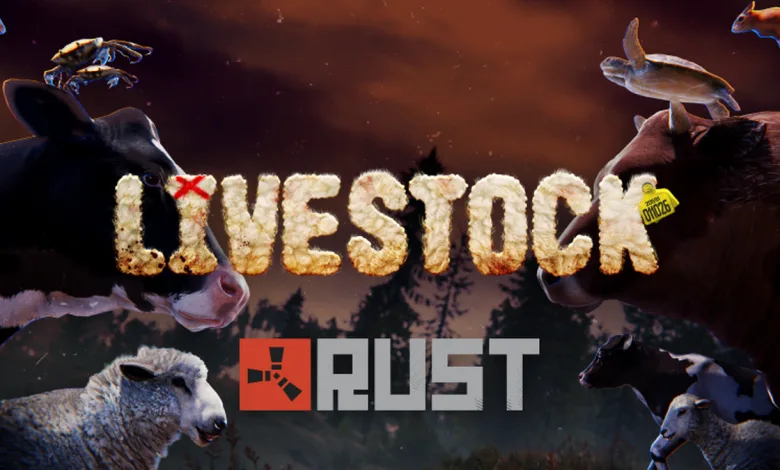
Rust’s next livestock additions will turn cows and sheep into more than animals to hunt. Facepunch has detailed a farm loop built around animal care, useful materials, breeding, and trade in its LIVESTOCK devblog.
Cows will provide milk, while sheep will produce wool. Both animals will generate dung and can be harvested for meat, bones, and leather. Players will also be able to lead grown animals to a vendor at the Stables and trade them for a randomized offer based on their genes.


The vendor will allow players to reject an offer and request another, up to three offers in total. Rejecting all three will leave the vendor unwilling to buy an animal for 15 minutes. Sheep wool can be traded there too, with offers based on how much wool players bring at once, up to a maximum of 400.
Breeding adds another layer to the farm. Livestock will have genes and needs, and players can capture wild animals in several ways before raising them. Facepunch says animal genetics work differently from plant genetics, so crop-breeding methods will not necessarily apply. The aim is to breed a top-quality animal, or a “god clone.”
Milk, fences, and a hand-stirred fuel source
Fresh milk can be consumed as it is or refrigerated for four hours to unlock a skimming option. Skimming produces both skimmed milk and cream, with cream acting as the stronger consumable. The ingredients also feed into crafting. Milk generally extends tea effects, while cream can increase their potency.
Animal gates and fences will give players new ways to keep livestock together. The animals will also be able to enter player-built structures and respect doors when the new navmesh is enabled. That connects with Facepunch’s earlier navmesh plans for animals to enter bases and monuments.
The update will also add a Biofuel Generator that turns organic matter, including raw or spoiled meat, into low-grade fuel. Players will need to stir the generator by hand, then wait around 30 minutes before stirring it again. Its output will depend on the calorific value of the material, and players can connect input/output components to get a signal when it needs attention.
Frogs, rabbits, squirrels, sea turtles, crabs, and jellyfish will also appear in the biomes that suit them. Facepunch describes these smaller animals as mostly environmental dressing for now. The developer says their processing is budgeted so that an increase in population should slow how quickly animals react rather than directly reduce server frame rates. It also says the new navigation system has at least doubled in performance since the previous patch, with server performance still being monitored.
Which part of Rust’s new farm loop would you build around first? For more on the systems behind its livestock additions, stay connected through X, Bluesky, YouTube, Instagram, Steam, and Telegram.
Rust
Developed by Facepunch Studios
Rust is a multiplayer survival game set on a procedurally generated island where players must manage hunger, thirst, and health while contending with hostile wildlife and other players. Starting with only a rock and torch, players gather resources, craft tools, weapons, and structures, and form or fight against clans in a persistent open world that resets on a regular wipe cycle. Originally developed as a clone of DayZ with Minecraft-style crafting elements, the game spent over four years in early access before its full release in 2018.
- Genre Shooter, Role-playing (RPG), Adventure, Indie
- Platforms PC (Microsoft Windows), Mac
- Perspective First person
- Modes Multiplayer, Co-operative, Massively Multiplayer Online (MMO)
- Release February 8, 2018
- Publisher Facepunch Studios
-
Age Rating