Delta Force’s G.T.I. Security Helped Break Up a Cheat Ring Targeting Global Servers
A June 2026 operation seized cheat software, development equipment, and account-farming hardware, while more than 30 people tied to the ring are now in custody.

G.T.I. Security has taken its Delta Force anti-cheat work beyond account bans. In June 2026, it supported an investigation into a ring that built, sold, and operated cheats for Delta Force Global servers. Enforcement actions followed in several locations, and more than 30 people tied to the operation are now in custody, according to the team’s latest Steam security brief.
Investigators seized cheat software, the equipment used to develop it, and hardware for farming accounts. G.T.I. Security said the case included studios selling paid carry services built around the cheats, and that the investigation remains under way.
How *K compromised Global matches
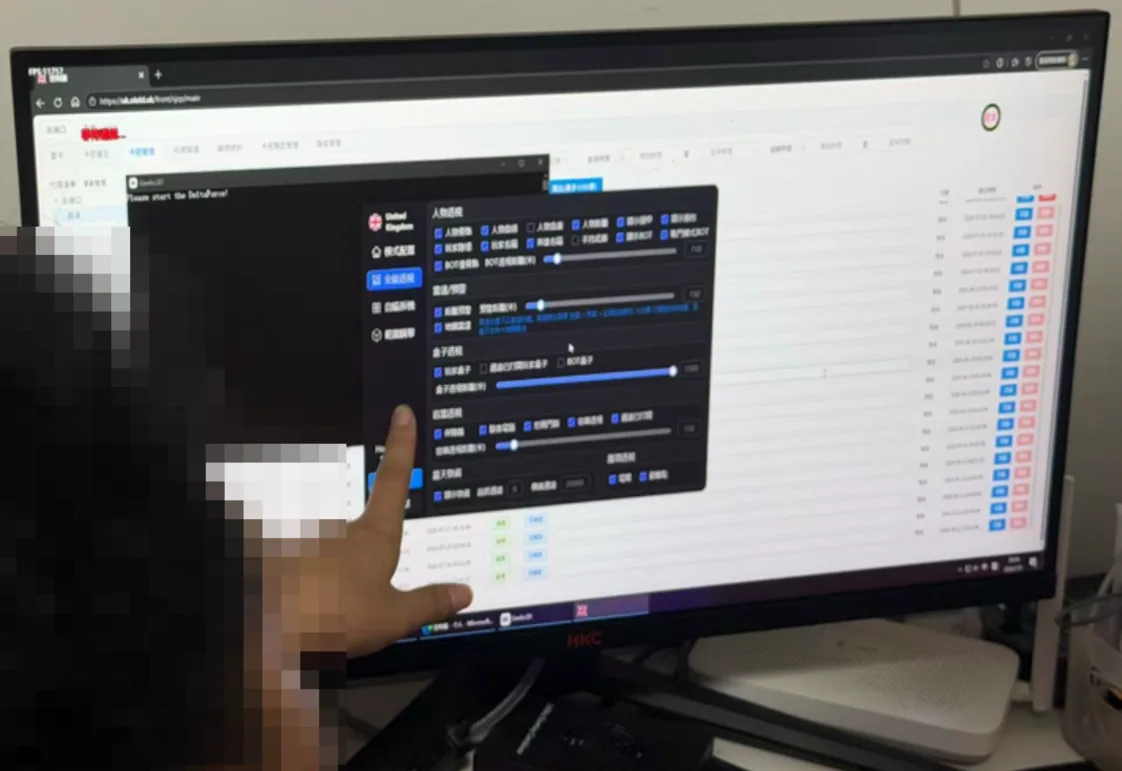
The recovered client, named *K, focused on two functions. Its wallhack exposed enemy positions through terrain and structures, while its aimbot handled target acquisition and tracking. A concealed menu let users turn either feature on and adjust it during a match.
Together, those tools removed information and aiming decisions that normally belong to the player. Positioning, timing, target tracking, and recoil control could all be bypassed before a firefight was decided.
The development work was built to avoid detection
Work on the client began in early 2026 and continued through an environment built with JetBrains development tools. G.T.I. Security said the operation also created supporting tools intended to hide the software from anti-cheat systems and make forensic analysis more difficult.
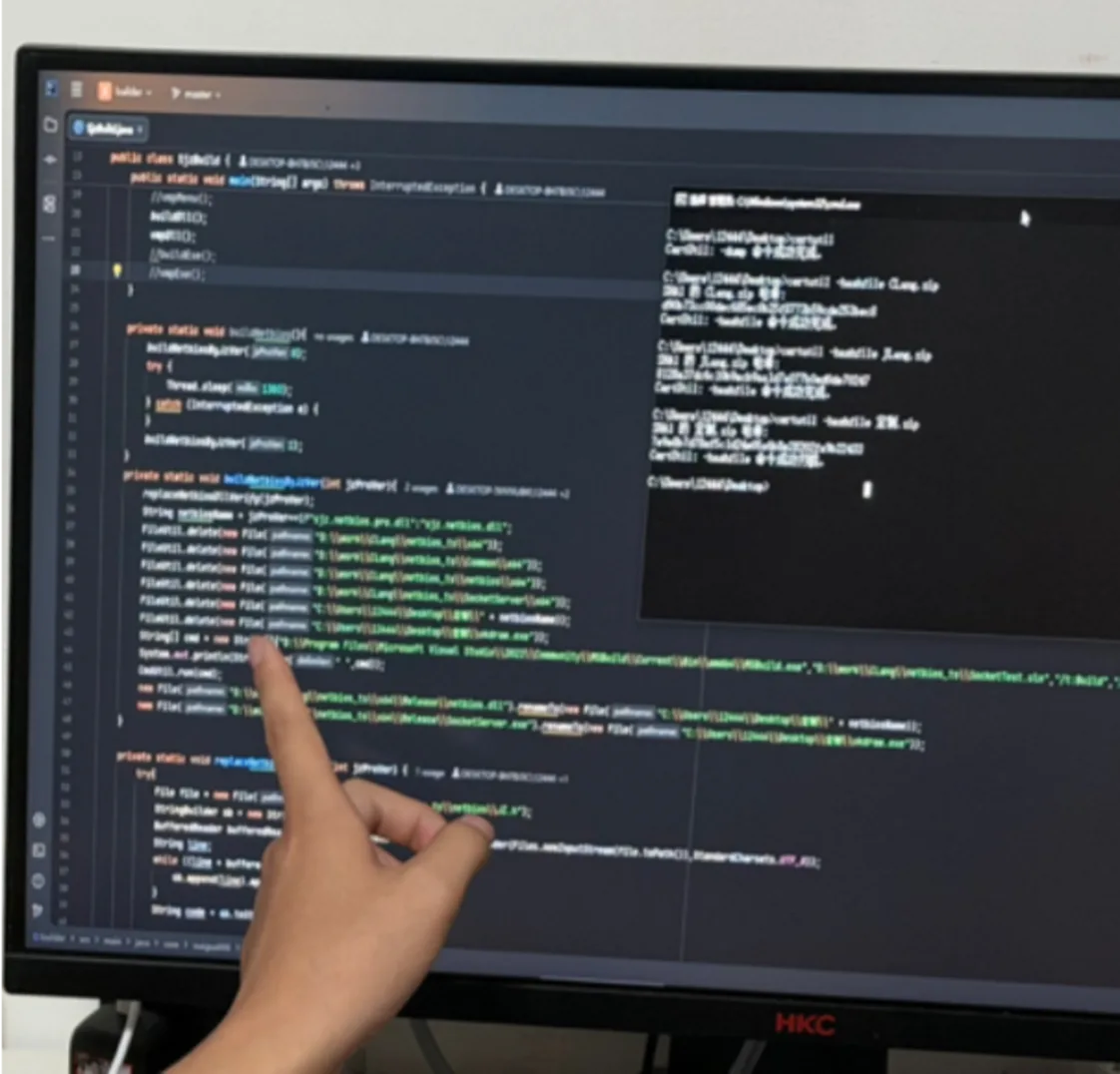
That maintenance cycle helps explain why anti-cheat work remains ongoing. Each new detection measure can prompt cheat developers to look for another way around it, especially when the software is sold through an active subscription business.
Resellers turned the cheats into a subscription business
Distribution ran through a tiered reseller network on Telegram. Top-level agents passed monthly subscriptions downstream, with carry-service studios among the main buyers. Those businesses used cheats to sell match results to paying customers, according to G.T.I. Security.
The security team said payments were funneled through USDT as part of an effort to keep the proceeds out of reach. That structure gave the network recurring income to maintain the client, recruit resellers, and replace accounts lost to bans.
Account farming kept replacement accounts available
Investigators also seized a multi-device control platform built from separate physical computers and managed through a single terminal. The setup could run and control dozens or even hundreds of accounts at once.
Those accounts could support unattended leveling, automated resource collection, and other violations. They could also be sold to banned players looking for replacements, giving the operation another way to keep cheating active on Delta Force Global servers.
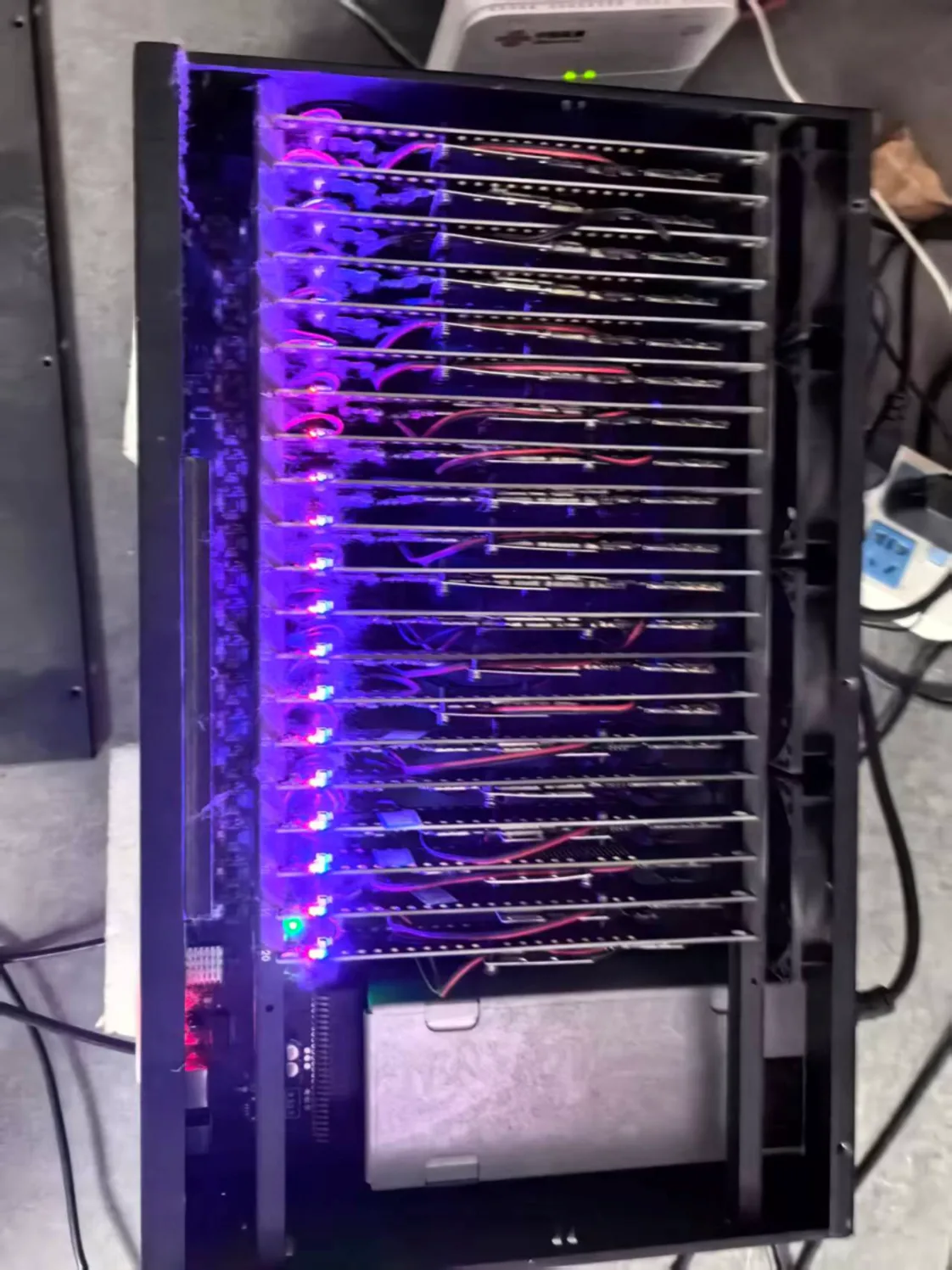
Account farms change the cost of enforcement for cheat sellers. If replacement accounts can be produced on demand, an individual ban becomes easier to absorb. Removing the client, reseller network, and hardware attacks the business behind those accounts instead of only removing its latest users.
G.T.I. Security’s response covers more than bans
G.T.I. Security described player protection as a process that works before, during, and after a match. Suspicious accounts can be restricted and monitored before they affect a lobby, while detected cheaters can be intercepted and punished. Afterward, accounts can be banned, illegitimate gains recovered, affected players compensated, and criminal cases referred to investigators when appropriate.
The team did not present the June operation as an end to cheating. Its stated aim is to make the business harder to run by closing cheat clients, reseller channels, and account farms while continuing to act against the accounts using them.
How to report suspicious behavior
Player reports remain one of G.T.I. Security’s inputs for investigations. Reports should include match details, timestamps, and a description of what happened.
Players can report through the headset customer service icon on the login screen or anywhere in-game. They can also use Support and Customer Service on the official Delta Force website, or email [email protected].
More than 30 people tied to the ring are in custody while the investigation continues, and G.T.I. Security said it will report further enforcement outcomes as cases conclude.
Do you think pursuing cheat sellers alongside account bans can improve Delta Force matches? Share your thoughts in the comments, and follow us on X, Bluesky, YouTube, Instagram, Steam, and Telegram.
Delta Force
Developed by TiMi Studio Group
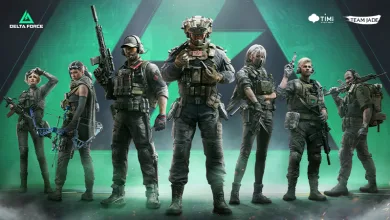
Delta Force is a free-to-play tactical first-person shooter developed by Team Jade and published by TiMi Studio Group. A reboot of the classic series originally created by NovaLogic, the game features large-scale multiplayer modes including a Warfare mode for massive PvP battles and Hazard Operations, an extraction-style mode. Players choose from a roster of operators with unique abilities fitting into Assault, Support, Engineer, or Recon archetypes. The game also includes a single-player and cooperative campaign inspired by the film Black Hawk Down, recreating Operation Gothic Serpent.
- Genre Shooter, Tactical
- Platforms Xbox Series X|S, Android, PC (Microsoft Windows), iOS, PlayStation 5
- Perspective First person
- Modes Single player, Multiplayer, Co-operative, Massively Multiplayer Online (MMO)
- Release December 5, 2024
- Publisher Garena, TiMi Studio Group
-
Age Rating