Riot Games introduced its 2026 Path to Champions format ahead of the 2027 VCT season, and its early Stage 2 results have done more than open a door for Tier 2 VALORANT. They have shown how quickly VCT Tier 1 teams can look vulnerable when Challengers rosters get a real chance to test them.
Since Riot introduced the partnership system, Tier 2 has been described as the foundation of the professional scene while receiving far less attention and investment. Several organizations eventually left because the cost of running a team no longer made sense, adding pressure to Riot’s plans for the competitive pipeline.


Results from teams such as G2 Esports’ The Guard roster and Nongshim RedForce showed that Tier 2 could produce trophy-winning lineups. Riot’s 2026 changes gave those teams a clearer route forward, and the early results have exposed a gap between the resources available to VCT organizations and the pressure placed on them to perform.
Path to Champions put Challengers into VCT Play-Ins
Path to Champions removed Ascension tournaments and placed the top Challengers teams into a new Play-Ins stage attached to the VCT Stage 2 leagues in every region. Each qualified organization also received a $75,000 stipend for expenses such as travel and visas.
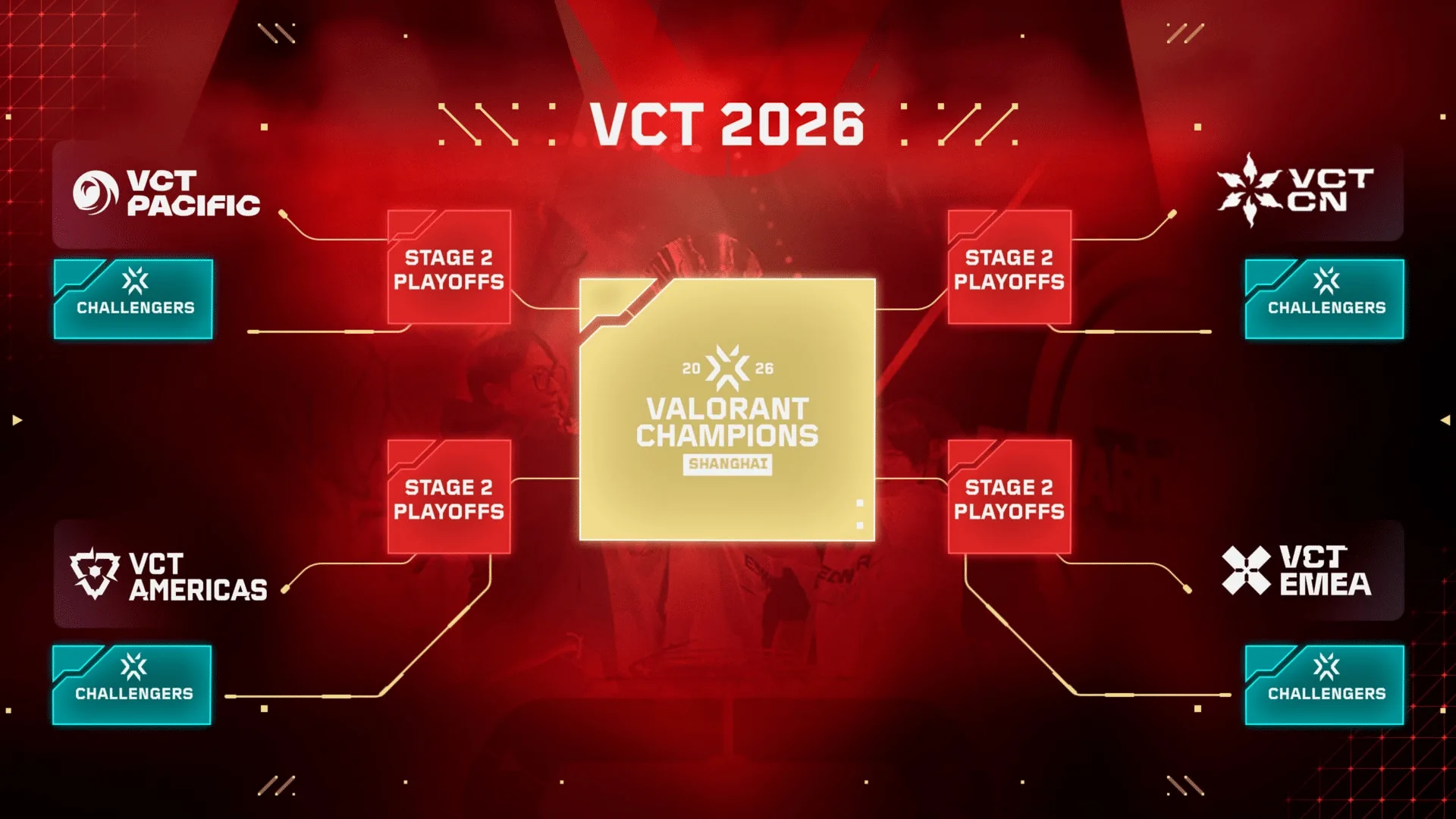
The reward was a direct chance to reach VALORANT Champions 2026, the 16-team world championship scheduled for Shanghai from September 24 through October 18. The format did not erase Tier 2’s financial problems, but it gave Challengers teams a reason to keep investing in competition during the 2026 season.
EMEA produced the clearest early warning for partnered teams. Three of the 4 Challenger organizations in Play-Ins defeated VCT opponents, including Fnatic and Team Heretics, to reach the playoffs.
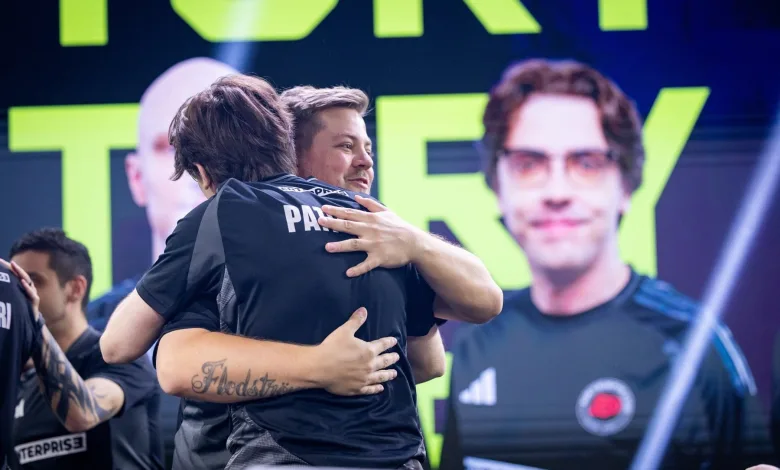
Enterprise Esports went even further. With rifler Patryk “paTiTek” Fabrowski and IGL Martin “Magnum” Peňkov on the roster, the team sent Team Vitality to the lower bracket and moved into the upper semifinals. Its earlier win over Fnatic had been dismissed by part of the community as a fluke, but the Vitality result gave the run much more weight.
VALORANT caster Erik “Qwikk” Persson described the appeal of the results in a post on X, writing that VCT teams were “usually playing way to boring” and that watching Tier 2 “has always been way more fun” for him.
Pacific offered another example. Sharper Esports, a Thai organization from Challengers Southeast Asia, won 2 straight upper-bracket series and earned a matchup with DRX for a place in the playoffs. Nongshim RedForce was also part of the region’s challenge to the established order.
The results were not the same across every league. Tier 1 teams remained largely unchallenged in the Americas and China, where the internal competition was especially strong. Even so, EMEA and Pacific showed that the gap between the 2 levels was not as safe as the partnership system had made it appear.
Tier 1’s comfort created an opening for Challengers
Partnered organizations have operated with better financial arrangements, facilities, coaching staffs, and Riot support. They have also competed in a VCT structure without relegation, which removed one of the clearest consequences for a poor season.
Tier 2 teams faced the opposite conditions. Smaller budgets and the need to survive forced them to find value in raw talent, roster chemistry, and preparation rather than relying on expensive names. Constant competition also left little room for teams to stop developing their tactics.
That does not mean VCT teams stopped working. They were still competing against the best players in the world, and the goal remained a place at Champions. The difference was that a partnered team could fall short without immediately losing its place in the circuit, while a Challenger team had to treat each opportunity as a possible turning point.
Challengers rosters also brought an element of unfamiliarity. Tier 1 teams had plenty of VODs and data on one another, but less information was available for some of the teams entering from below. That gave the underdogs room to surprise opponents before the established teams could adjust.
The format has limits. A few playoff runs cannot prove that every Challenger roster can maintain the same level across a full season, and Tier 2 organizations still face financial and competitive disadvantages. The results do show that direct access can produce matches with real consequences for both sides.
VCT 2027 will remove more of the safety net
Riot plans to take the idea further in the 2027 VCT season with Open Qualifiers and Cups. Partnered organizations will receive direct entry into Kickoff, except in China, but they will need to earn their places in the remaining events through their results.
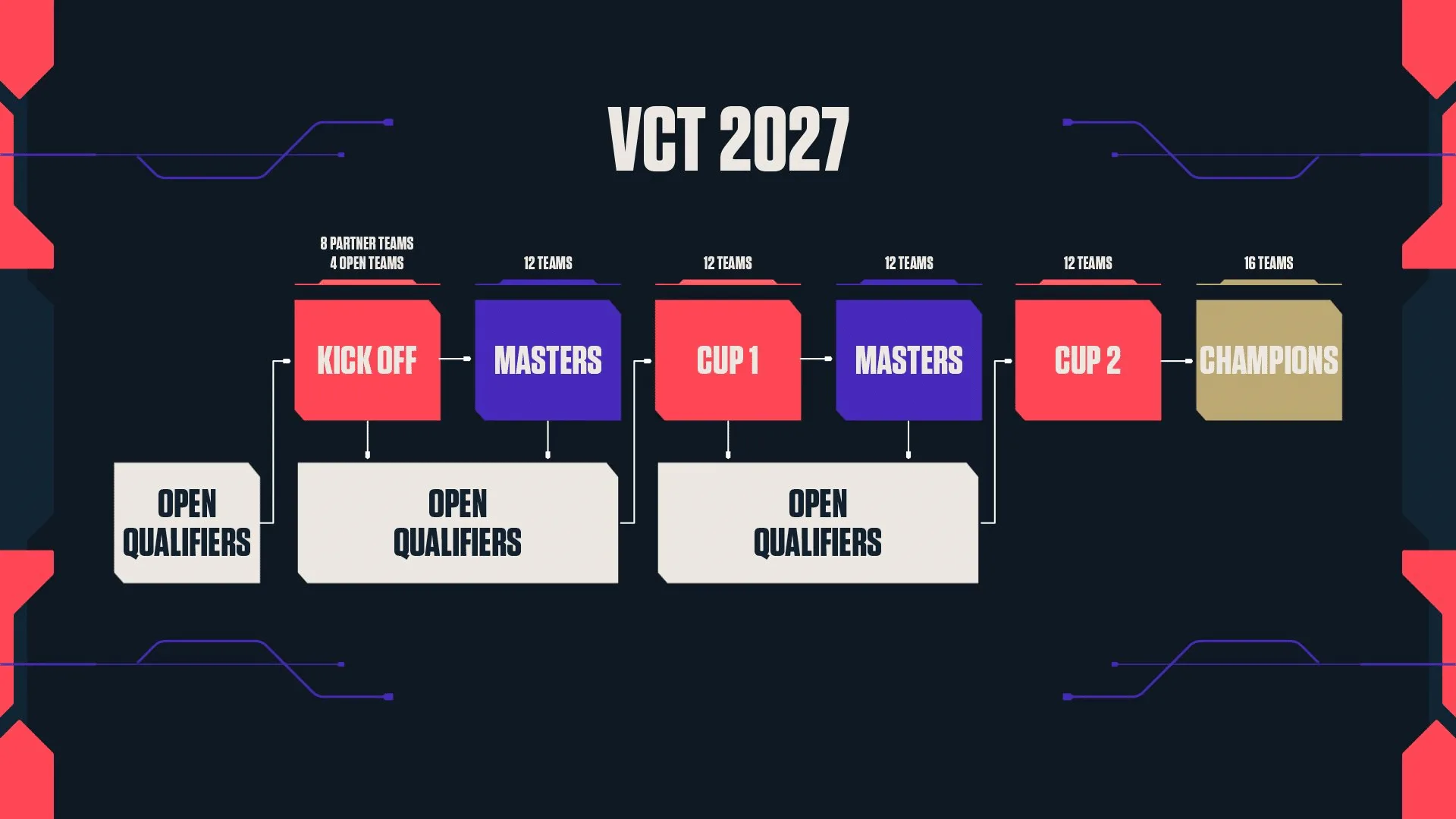
China will use a different arrangement, with partnered and visitor teams receiving direct entry into Kickoff and both Cups. Pacific will also hold a Last Chance Qualifier for teams from South Asia and Oceania competing for access to Kickoff and the Cups.
Under that structure, Tier 1 organizations will have to improve their rosters and preparation much faster. A team that fails to meet the standard could miss nearly every VCT event beyond Kickoff, while a Challenger lineup will have more chances to earn a place against stronger opposition.
Riot’s experiment has not solved every problem around Tier 2, but it has produced the kind of competitive pressure the partnership system was missing. Enterprise Esports and Sharper Esports did not simply fill extra tournament slots; they showed that hungry, well-prepared teams can punish complacency at the highest level.
Whether those teams can sustain their runs is still unknown. The immediate result is clearer: giving Tier 2 a genuine route into VCT made the top level less comfortable, and that tension could produce a healthier VALORANT ecosystem over time.
Do the Tier 2 results change how you view the VCT format? Share your thoughts in the comments, and keep up with future coverage on X, Bluesky, YouTube, Instagram, Steam, and Telegram.
Valorant
Developed by Riot Games

Valorant is a character-based 5v5 tactical shooter set on the global stage. Outwit, outplay, and outshine your competition with tactical abilities, precise gunplay, and adaptive teamwork.
- Genre Shooter, Tactical
- Platforms Xbox Series X|S, PC (Microsoft Windows), PlayStation 5
- Perspective First person
- Modes Multiplayer
- Release June 2, 2020
- Publisher Riot Games
-
Age Rating