Miyamoto Explains How the DS and Wii Helped Make Gaming Feel More Ordinary
The Nintendo designer said the GameCube's struggles led the company to rethink consoles as tools for play rather than products aimed only at established gamers.

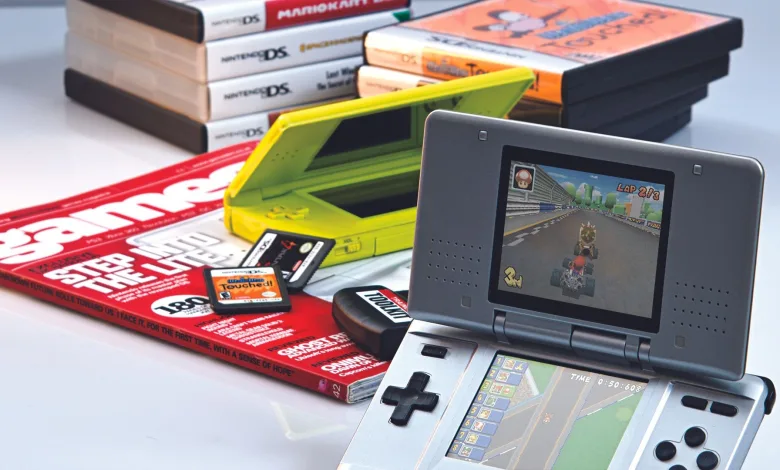
Shigeru Miyamoto says Nintendo’s response to the GameCube’s disappointing sales helped shape the Nintendo DS and Wii. The company wanted to reach people who did not already consider themselves gamers, so it began treating the hardware itself as part of the play experience.
In an interview with Famitsu, Miyamoto recalled discussions with former Nintendo president Satoru Iwata about why a console made specifically for video games could struggle to find a broad audience.


Miyamoto pointed to the GameCube’s position against the PlayStation 2 and the original Xbox. Both competing systems could also play DVDs, while Nintendo’s console was primarily associated with games. In his view, that made the GameCube more appealing to people who already identified as gamers, rather than to households looking for a broader entertainment device.
Miyamoto also described the GameCube as versatile, simple to use, inexpensive, and easy for developers to create games for. Even with those advantages, it did not receive the reception Nintendo expected.
Iwata’s conclusion, according to Miyamoto, was that gaming had not become an ordinary part of life in the same way as reading books. “We don’t say ‘book readers and non-book readers,'” Miyamoto said, while discussing the language people use for hobbies that are seen as more commonplace.
That idea influenced Nintendo’s approach to the DS and Wii. Instead of relying on the familiar button-heavy controllers used by other consoles, the company looked for ways to make play easier to understand at a glance. The DS used a touch screen and stylus, while the Wii centered its identity on motion controls.
Nintendo’s software supported that goal. Wii Sports, Wii Fit, and Brain Training gave people who had never owned a console a clear entry point, whether they wanted to swing a virtual racket, follow an exercise routine, or work through short mental challenges.
Miyamoto said Nintendo created simple messages around those systems, including the DS idea that “everyone is at the starting line” and the Wii concept of using your body to play. The broader aim was to present a console as “a new tool for play” instead of something reserved for a specific type of customer.
The strategy also produced major commercial results. The Wii became Nintendo’s best-selling home console before the Nintendo Switch surpassed it, while the Nintendo DS became the company’s highest-selling dedicated handheld system.
He believes the DS and Wii succeeded to some extent in spreading gaming to a wider audience. Their designs also helped Nintendo view the hardware interface as part of the game itself, not merely a way to control what appears on the screen.
Do you think the DS and Wii changed who felt welcome in gaming? Share your thoughts in the comments, and follow us on X, Bluesky, YouTube, and Instagram.